
24/7 Customer Support

Free returns

Same-day & Next-day Delivery

Quality Guaranteed

Unlock Your Welcome Offers: FREE Delivery | Up to 80% OFF | Free 30-day JoyPlus trial
Download the APP
Choosing hair straighteners can seem straightforward until you compare plate materials, temperature settings, ionic functions, heating speeds and travel features. A low-priced tool may appear attractive, but unsuitable plates or limited heat control can make everyday styling slower and less comfortable.
For UK shoppers, the main challenge is separating useful specifications from marketing language. The right choice depends on your hair type, styling habits and whether you need a tool for full styling, quick touch-ups or travel.
A maximum temperature of 230°C or more does not automatically mean faster or more effective styling. Fine, bleached or fragile hair may need a lower setting, while thick or coarse hair may require more heat and smaller sections.
What matters is adjustable temperature control, not simply the highest number on the display. Digital settings make it easier to use a suitable temperature rather than repeatedly passing over the same section.
Ionic hair straighteners may help reduce static and improve the appearance of frizz, but they cannot replace sensible technique, heat protection or suitable temperature selection. Similarly, a steam hair straightening comb may make hair feel smoother during styling, but it still requires careful use and should not be used on soaking-wet hair unless the instructions specifically allow it.
Look for clear information about how the feature works, rather than relying only on phrases such as “damage-free” or “instant repair”.
Narrow plates offer better control for fringes, short hair and curls. However, they may take longer to cover long or thick hair. A wide plate hair straightener can handle larger sections, but may feel cumbersome on short hair or when creating defined waves.
Also check the tool’s weight, cord design, grip and plate movement. A lightweight design may be more comfortable for frequent touch-ups, while floating plates can help the tool maintain contact as it moves through the hair.
Ceramic hair straighteners generally distribute heat across the styling surface and are often suitable for regular home use. Tourmaline-ceramic plates combine a ceramic surface with tourmaline material and are commonly paired with ionic functions.
Titanium plates can heat quickly and maintain a high styling temperature, making them useful for long, thick or coarse hair. They may be less forgiving if used too hot, so precise temperature adjustment is important.
Floating plates are designed to move slightly rather than clamp rigidly. This may help reduce pulling and snagging, particularly when styling uneven sections or adding bends.
For versatility, look for several temperature levels rather than only two or three preset choices. A range beginning around 130–160°C may provide more flexibility for fine hair, while settings approaching 230–240°C may suit thicker hair when used carefully.
A higher setting should not be the default. Start lower, use a heat-protection product suitable for your hair and work with dry, detangled sections. Always follow the appliance instructions and avoid holding hot plates in one position.
Fast-heating hair straighteners can be useful before work or during quick morning routines, but check what the advertised heating time refers to. Some specifications describe reaching a particular temperature rather than the maximum setting.
For safer use, look for an automatic shut-off, heat-resistant storage solution, insulated areas and a swivel cord. Travel users should check weight, compact dimensions and whether the appliance has dual-voltage support. A cordless hair straightener can be convenient for quick adjustments, but battery charging time and operating duration are essential details to confirm.
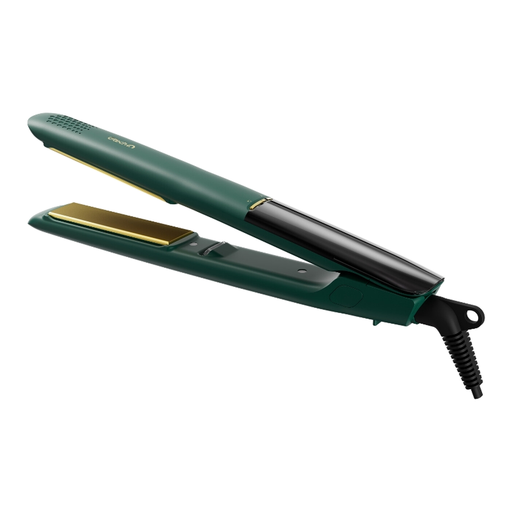
Why This Fits Their Persona: A practical option for everyday styling, quick touch-ups and users who want a compact tool without sacrificing temperature choice.
It does not rely on a single high-heat setting, offering 10 digital levels from approximately 140°C to 230°C.
Tourmaline-ceramic floating plates, ionic technology, LED display, approximately 60-second heat-up and a 30-minute auto shut-off.
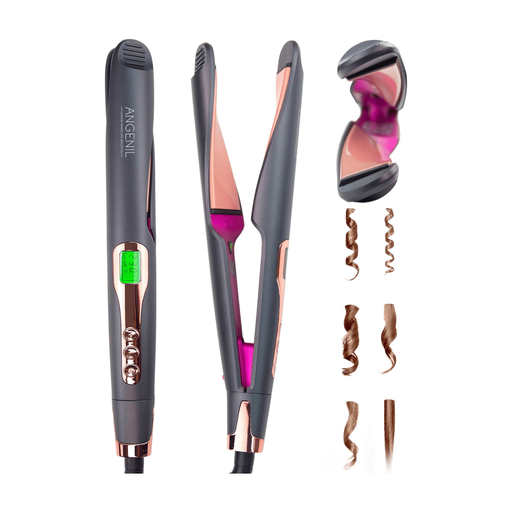
Why This Fits Their Persona: Suits shoppers seeking one styling tool for straight looks, flips, waves and curls, including regular home users and travellers.
The 11 temperature settings provide more control than a simple low/high switch, while the twisted ceramic plate design is intended for varied styling.
Temperature range of approximately 130°C–230°C, LCD display, ionic function, dual-voltage support and automatic shut-off after 60 minutes.
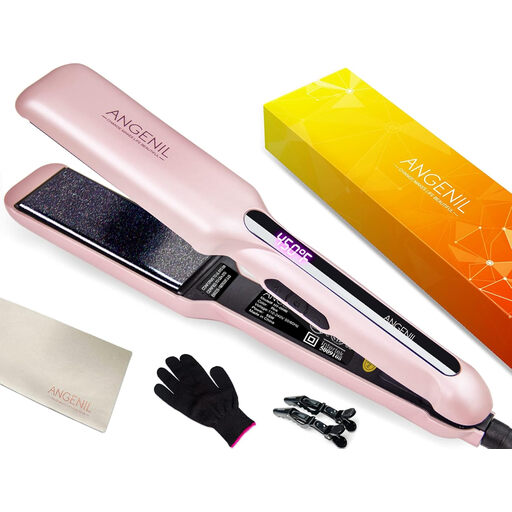
Why This Fits Their Persona: The 4.5cm plates are designed for long and thick hair, helping cover broader sections during full styling sessions.
The wide plate dimensions are clearly stated, so buyers can judge whether the tool suits their hair length and section size before purchasing.
Titanium floating plates, nine settings from 160°C to 240°C, approximately 15-second heating, ionic plasma technology and dual voltage.
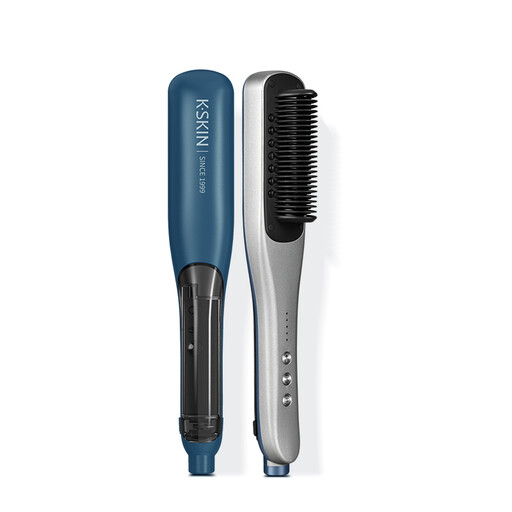
Why This Fits Their Persona: A comb-style design may suit people who prefer quick daily smoothing or simple hairstyle adjustments rather than detailed curling.
The instructions specify filling the tank, waiting for steam and using the device on dry or slightly damp sections, rather than treating steam as a substitute for correct preparation.
PTC even heating, a 25-tooth comb structure, spray hydration function and a stated basic styling time of approximately three minutes.
We have compiled a complete, real-time list of products that fully satisfy these strict selection criteria and UK safety regulations.
Before styling, make sure hair is dry, detangled and divided into manageable sections. Use a heat-protection product according to its instructions, and avoid repeatedly passing over the same area.
Check that the plug, cable and casing are undamaged. Keep hot appliances away from water, children, bedding and flammable surfaces. An automatic shut-off is useful, but it should not replace unplugging the tool after use. Allow plates to cool fully before storing them.
Electricity use depends on the appliance’s wattage and how long it operates. Shorter heating times and brief styling sessions generally use less electricity than leaving a tool switched on while preparing. Unplug it immediately after use rather than relying solely on standby behaviour.
Lifespan varies with build quality, frequency of use, storage and care. Plate coatings can wear if the tool is used on product-heavy hair or cleaned with abrasive materials. Store the appliance safely, keep the plates clean when cool and follow the manufacturer’s maintenance guidance.
Yes, but the suitable design depends on the hair. Look for multiple temperature settings, smooth floating plates and enough width to cover practical sections. Hair straighteners for thick hair may require higher settings, while curly hair may benefit from a 2-in-1 hair straightener and curler if you also want waves or curls. Use controlled sections rather than increasing the temperature without limit.