
24/7 Customer Support

Free returns

Same-day & Next-day Delivery

Quality Guaranteed

Unlock Your Welcome Offers: FREE Delivery | Up to 80% OFF | Free 30-day JoyPlus trial
Download the APP
Choosing between hair styling tools can be difficult when product pages focus on ionic technology, rapid heating and salon-style results. The right option depends on your hair type, preferred finish, routine and how much heat you are comfortable using.
Before buying hair straighteners, a cordless hair straightening brush or a multi-styler hair dryer, look beyond impressive-sounding features. Temperature control, safe handling, portability and compatibility with your hair are more useful indicators of whether a tool will fit your routine.
A maximum temperature of 230°C may sound powerful, but it is not automatically suitable for every hair type. Fine, bleached or fragile hair may need a lower setting, while thick or coarse hair may require more heat and smaller sections.
A tool with several adjustable settings is generally more practical than one with only a single high temperature. Always use the lowest setting that gives you the finish you want and follow the manufacturer’s instructions.
Ionic hair styling tools may help reduce static and create a smoother-looking finish. Ceramic or tourmaline ceramic straighteners can provide a more even heated surface, depending on the product design. However, these features do not remove the risks associated with excessive heat, repeated passes or styling wet hair.
A heat protection spray remains an important part of a regular routine. Product claims should be treated as guidance from the manufacturer rather than a guarantee of a particular result. For example, according to TRESemmé’s own product information, its Heat Defence Spray is designed for protection up to 230°C and to help reduce breakage with continued use.
A tool can be unsuitable if it is awkward to store, too heavy for longer sessions or difficult to use around the roots. Travellers should also check whether a device is cordless, its charging requirements and whether it is compatible with UK electrical standards.
Safety details matter too. Look for features such as automatic shut-off, insulated or anti-scald elements, a clear temperature display and a suitably long swivel cable. No heated appliance should be used near water and hot surfaces must be allowed to cool before storage.
For flexible styling, compare both the number of settings and the actual temperature range. A device offering 130°C to 200°C, for example, gives different options from one offering 140°C to 230°C.
Do not use straighteners or heated brushes on soaking-wet hair unless the product is specifically designed for wet-to-dry styling. Most conventional tools should be used on dry hair.
Tourmaline ceramic plates are designed to glide across hair, while floating plates can accommodate different section thicknesses and may reduce snagging. Heated brushes use comb teeth to guide hair through the device, which can make them convenient for quick smoothing but less suitable for creating sharply defined curls.
A hot air brush or multi-styler hair dryer uses airflow to dry and shape hair. This can be useful when you want volume, waves or a smooth blow-dry from one tool. Check the attachments included, heat settings and whether a cool-shot function is available.
Apply a suitable heat protection spray according to its label. The TRESemmé Heat Defence Spray Care & Protect is supplied in a 60ml format, making it practical for gym bags, overnight stays and UK travel. Its listed ingredients include glycerin, amodimethicone, hydrolysed keratin and silk amino acids. Avoid contact with the eyes and discontinue use if irritation occurs.
Prepare hair by detangling it, removing excess moisture and dividing it into manageable sections. Smaller sections can reduce the need for repeated passes, particularly when using hair straighteners.
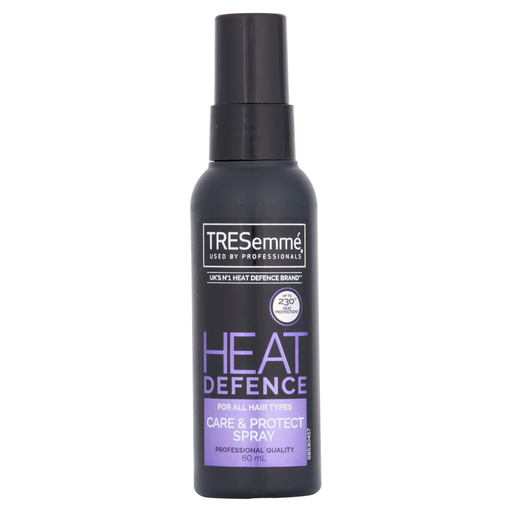
Why This Fits Their Persona: A compact preparation product for shoppers starting a regular heat-styling routine or travelling between home, university and work.
It adds heat protection rather than relying only on a tool’s ceramic or ionic claims. The 60ml bottle is also less cumbersome than a full-size product.
Listed heat protection up to 230°C; lightweight spray format; suitable for use before blow-drying or straightening when used as directed.
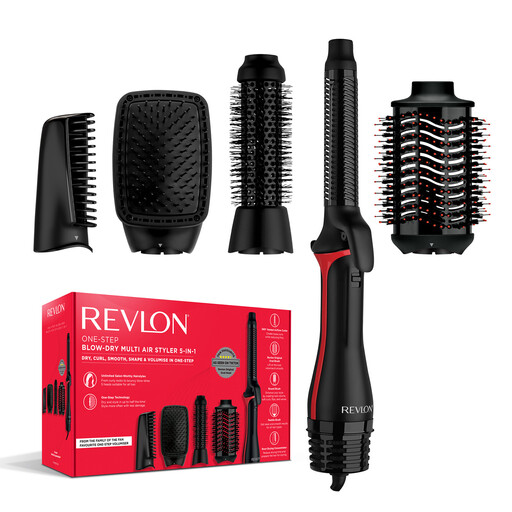
Why This Fits Their Persona: Suits shoppers wanting one UK-voltage appliance for drying, smoothing, curling and adding root volume at home.
Its five attachments make the function clear, reducing the need to buy separate dryers, brushes and curlers. It still requires correct sectioning and heat protection.
Five listed attachments; low, medium, high and cool-shot settings; approximately 2.5m cord; two-year manufacturer warranty listed.
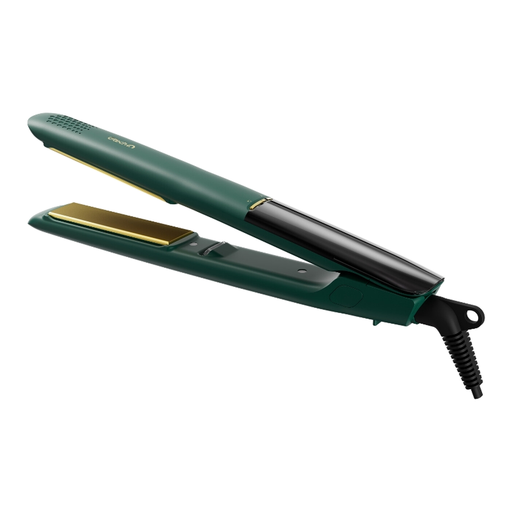
Why This Fits Their Persona: A compact wired option for holidays, business trips and quick styling in smaller UK bathrooms.
The digital display and ten temperature settings give more control than a simple fixed-temperature travel tool.
Approx. 140°C–230°C range; tourmaline ceramic floating plates; approx. 60-second heat-up; automatic shut-off listed at around 30 minutes.
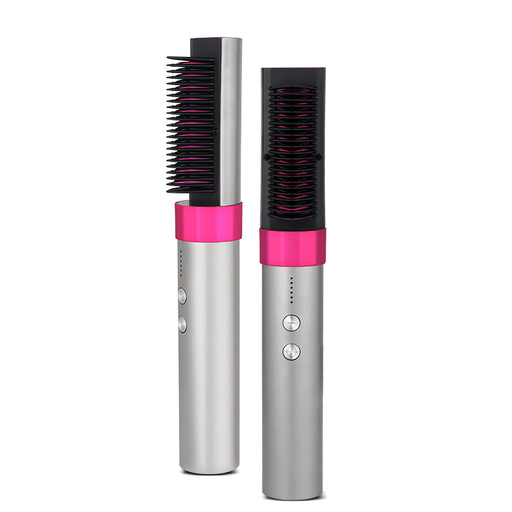
Why This Fits Their Persona: Useful for quick touch-ups, commuting and styling away from a plug socket, provided the battery duration meets your routine.
It states its cordless runtime rather than implying unlimited portability. The anti-scald comb design and selectable temperatures address practical daily-use concerns.
Six settings from 130°C to 200°C; 3000mAh battery with approximately 30 minutes’ use per full charge; PTC ceramic heating and anti-scald comb teeth.
Running cost depends on wattage, session length and your electricity tariff. A lower-powered cordless tool may use less electricity per session, but it requires charging and may offer limited runtime. For corded tools, compare the wattage on the specification label and avoid leaving appliances switched on or plugged in unnecessarily.
There is no fixed lifespan for every model. It depends on frequency of use, plate condition, cable care and storage. Keep plates free from product build-up, avoid wrapping the cable tightly around the appliance and store the tool only once it has cooled. Replace it if the cable, plug, casing or heating behaviour shows signs of damage.
It can be useful for smoothing and refreshing hair, but results depend on section size, hair density and the brush’s temperature range. Thick or curly hair may need smaller sections and more passes than straight hair. Check the maximum temperature, battery runtime and manufacturer guidance before buying and use heat protection every time.