
24/7 Customer Support

Free returns

Same-day & Next-day Delivery

Quality Guaranteed

Unlock Your Welcome Offers: FREE Delivery | Up to 80% OFF | Free 30-day JoyPlus trial
Download the APP
Choosing between hair dryers, heated brushes and multi-stylers can be confusing. Product pages often highlight ionic technology, rapid heating and multiple attachments, but these features do not automatically make an appliance suitable for your hair or routine.
The most useful approach is to match the tool to your styling habits, then check the specifications that affect control, safety and everyday convenience.
A thermal brush may look similar to a blow-dry brush, but the two appliances work differently. A hot air brush combines airflow and heat, whereas a thermal brush heats a barrel or bristles and is generally intended for dry hair.
For example, the Wavytalk Thermal Brush is specifically listed as not suitable for blow drying. It is designed to shape dry hair, add movement and create a fuller finish after washing and drying separately.
A higher temperature can style some thick or coarse hair more quickly, but it is not automatically preferable. Fine, coloured or fragile hair usually benefits from lower settings and fewer passes. Look for clear temperature controls rather than relying on a single high-heat mode.
A hair straightening brush with several temperature settings gives you more flexibility, while a thermal brush with a digital display makes the selected setting easier to monitor.
Ionic hair dryers and anti-frizz hair styling tools can be useful for people concerned about static or a flyaway finish. However, results also depend on hair condition, humidity, technique and the products used before styling.
Steam hair straightening combs require additional care. You need to fill and empty the water tank correctly, and the appliance must still be used according to its instructions. Steam does not remove the need for heat protection or safe handling.
If you want to style damp hair, choose a dryer, blow-dry brush or multi-styler hair dryer with airflow. Check the number of heat and speed settings, whether a diffuser or concentrator is included, and whether there is a cool shot function.
A standard dryer is often more practical for removing most moisture quickly. A hot air brush or volumiser can then help create root lift, waves or a smoother blow-dry finish.
For heated tools, check both the minimum and maximum temperature. A wider range can help households with different hair types share one appliance, although each person should select a suitable setting.
Useful features include:
Always use heated appliances on dry hair unless the instructions expressly state otherwise. Divide hair into manageable sections and avoid holding heat in one place for too long.
Barrel diameter influences the result. A 38mm thermal brush is suited to soft waves, root lift, rounded ends and larger curls rather than tight ringlets.
For UK shoppers who travel, check the plug type and voltage carefully. Dual-voltage tools may be more suitable for overseas trips, but you may still need a travel adaptor depending on the destination. Cordless models can be convenient for quick touch-ups, although battery runtime and charging time matter.
Also check the appliance weight, cord length and attachment storage. A tool that is difficult to hold or store may not be used regularly, regardless of how many functions it offers.
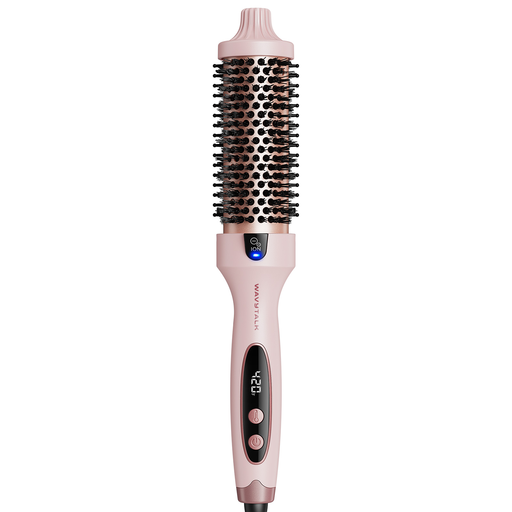
Why This Fits Their Persona: A straightforward option for dry-hair styling, including soft curls, airy volume and shaped fringes, without buying separate curling and brushing tools.
The product description clearly states that it is not a hair dryer brush, helping buyers avoid expecting it to dry wet hair.
Five temperature settings from 150°C to 215°C, an LED display, a 38mm barrel and dual-voltage operation.
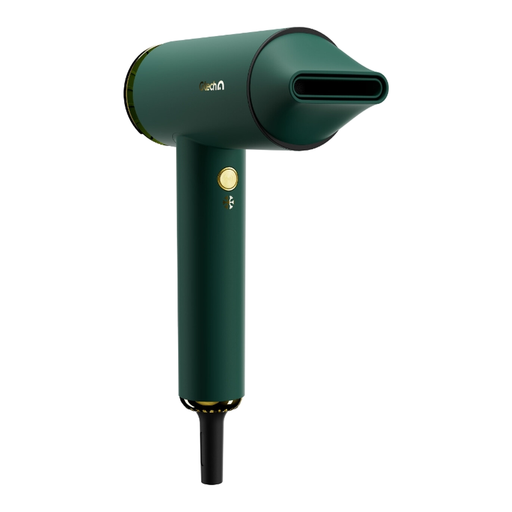
Why This Fits Their Persona: Suitable for shoppers who want a dedicated ionic hair dryer with multiple controls for regular home styling and faster moisture removal.
It provides four heat levels and four airflow speeds, rather than relying on a single high-power mode.
The listed specification includes a 1600W rating, 110,000 RPM brushless motor, magnetic concentrator and diffuser, memory function, cool shot and a two-year warranty.
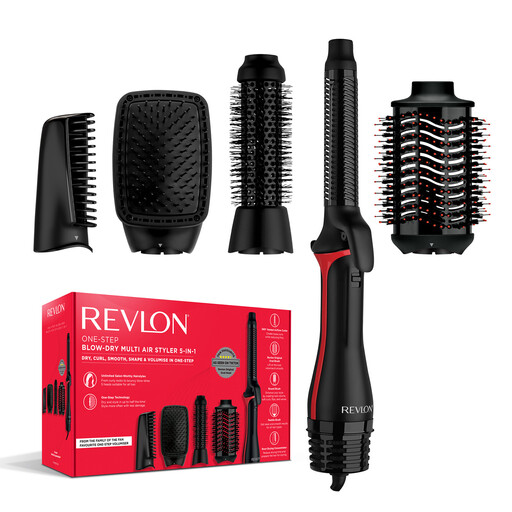
Why This Fits Their Persona: A multi-styler hair dryer for users who regularly switch between drying, curling, smoothing, straightening and adding volume.
Its five named attachments make the functions clear: dryer, volumiser, straightener, smoothing brush and vented curler.
It has three heat settings plus cool shot, a root-drying concentrator and an approximately 2.5-metre cord.
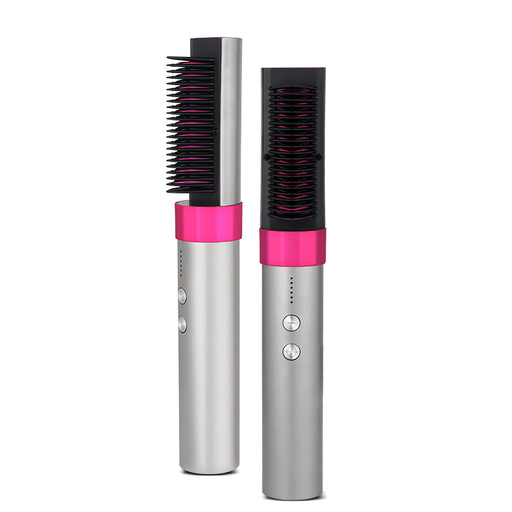
Why This Fits Their Persona: Designed for dry-hair smoothing and simple daily touch-ups where a cordless format is more convenient than carrying a full-size appliance.
The cordless design is paired with a stated 30-minute approximate runtime, making battery expectations clearer before purchase.
It offers six temperature settings from 130°C to 200°C, PTC ceramic heating and anti-scald comb teeth.
Before ordering, confirm the seller’s warranty information, UK plug specification and safety instructions. Look for clear manufacturer details and check that the product is intended for the voltage supplied in your home. Electrical appliances should be used away from water, unplugged after use and allowed to cool fully before storage.
We have compiled a complete, real-time list of products that fully satisfy these strict selection criteria and UK safety regulations.
Running cost depends mainly on the appliance’s wattage and how long it is used. A 1600W dryer used for 10 minutes consumes less electricity than the same appliance used for 30 minutes. Compare the wattage on the product page and avoid leaving a tool switched on while unattended.
Usually not. Many thermal brushes and hair straightening brushes are intended for dry hair only. Use a dryer or suitable hot air brush to remove moisture first, then follow the specific appliance instructions. Using a non-airflow heated tool on wet hair may produce poor results and increase safety risks.
There is no universal lifespan. It depends on frequency of use, cleaning, storage and whether the cord, plug, filter or battery becomes damaged. Keep air intakes clear, avoid wrapping cords tightly around the appliance and stop using any tool with a damaged cable, unusual smell or malfunction. A stated warranty, such as the two-year warranty listed for selected products, can also help you compare after-sales support.