
24/7 Customer Support

Free returns

Same-day & Next-day Delivery

Quality Guaranteed

Unlock Your Welcome Offers: FREE Delivery | Up to 80% OFF | Free 30-day JoyPlus trial
Download the APP
Fine, thin or flat hair can look less voluminous after washing, particularly when a formula leaves behind heavy conditioning agents or fails to cleanse excess oil properly. However, choosing a hair thickening shampoo is not simply a matter of selecting the bottle with the biggest volume claim.
This guide from the Joybuy Product Recommendation Officer explains which formulation details matter, where marketing language can be misleading and which options may suit different UK hair-care routines.
A volumising shampoo can make individual strands feel cleaner, lighter or more coated, creating a fuller-looking appearance. That is different from increasing the number of hairs growing from the scalp. Product descriptions using terms such as “thicker”, “denser” or “growth” should therefore be read carefully.
A shampoo is rinsed away relatively quickly. It may support the appearance and manageability of hair, but it should not be treated as a guaranteed solution for hereditary, hormonal or sudden hair loss.
Biotin shampoo is popular in products designed for fine or thinning hair. Biotin, collagen and proteins can appear on an ingredient list, but their presence alone does not establish that a shampoo will stimulate new hair growth. Look at the complete formulation, cleansing strength and how your hair feels after rinsing rather than relying on one highlighted ingredient.
A strong fragrance may be enjoyable, but ingredients such as limonene, linalool, citronellol and parfum can be unsuitable for some sensitive scalps. Likewise, sulphate-based cleansers are not automatically unsuitable, but they may feel too stripping for dry, curly or chemically treated hair.
Always check the current packaging for the full ingredient list. Formulas can change, and online descriptions may not replace the label supplied with the product.
For oily roots or frequent use of dry shampoo, a more effective cleansing system may help remove buildup. L’Oréal Elvive Fibrology, for example, lists sodium laureth sulfate and sodium lauryl sulfate among its cleansing ingredients. These are objective formulation details, not a guarantee of a particular result.
If your scalp or lengths feel dry, consider a formula using milder surfactants. OGX Biotin & Collagen lists sodium cocoyl isethionate, sodium lauroyl sarcosinate and cocamidopropyl betaine, and is described as sulphate-free and paraben-free. “Sulphate-free” does not mean irritation-free, so patch sensitivity and fragrance still matter.
A shampoo for fine hair needs to clean without making strands feel coated or limp. Silicone-free shampoo options may appeal to shoppers who prefer a lighter finish. Herbal Essences Orange Scent Volume Shampoo and Pantene Pro-V Miracles Lift’N’Volume Thickening Shampoo are both listed as silicone-free in the supplied product information.
By contrast, a strengthening shampoo may contain conditioning polymers or silicones to improve slip and reduce friction. These can be useful for dry, damaged lengths, although some users may need occasional deeper cleansing if their hair becomes weighed down.
Hair that breaks can appear thinner around the ends, while shedding from the scalp has different possible causes. A product labelled anti-hair-loss shampoo should not be assumed to treat a medical condition. If hair loss is sudden, patchy, painful or persistent, speak with a GP or qualified healthcare professional rather than relying only on cosmetic products.
For everyday care, examine whether the formula includes conditioning ingredients such as panthenol, glycerin, proteins or ceramides. These may help hair feel smoother and more resilient, but results vary according to hair condition and routine.
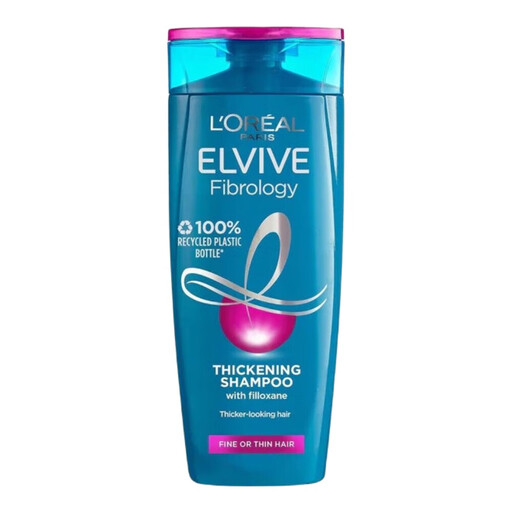
Why This Fits Their Persona: The 400ml size is practical for regular household use, including shoppers starting a new shampoo for fine or flat hair and wanting a larger bottle.
The product information identifies Filloxane and describes a thicker-feeling finish, while the ingredient list lets shoppers assess the cleansing system instead of relying only on volume wording.
400ml net content; listed as suitable for straight, wavy, curly and coily hair; Filloxane is included in the supplied product description.
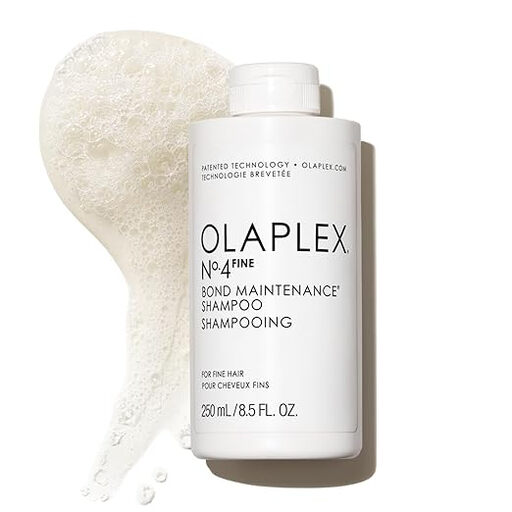
Why This Fits Their Persona: A concentrated 250ml format may suit shoppers prioritising a fine-hair formulation and a more detailed ingredient profile over maximum bottle size.
Its supplied formulation is listed without silicones, sulphates, parabens or protein, helping shoppers seeking a lightweight, clearly specified option avoid unsuitable heavy formulas.
Designed for fine hair; listed as vegan and colour-safe; includes panthenol, glycerin and hydrolysed quinoa in the ingredient list.
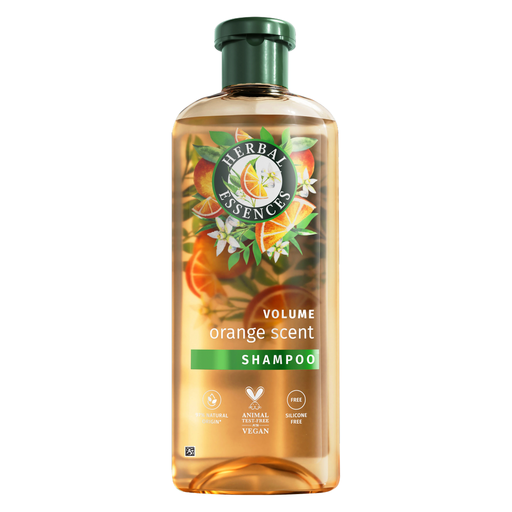
Why This Fits Their Persona: Suitable for shoppers who want a silicone-free volumising shampoo with a pronounced citrus fragrance and a format suitable for everyday washing.
The silicone-free positioning is supported by the supplied ingredient list. Shoppers can still review fragrance allergens and cleansing agents before choosing it for regular use.
250ml bottle; listed as vegan, cruelty-free, pH-balanced and colour-safe; includes orange and lemon peel oils.
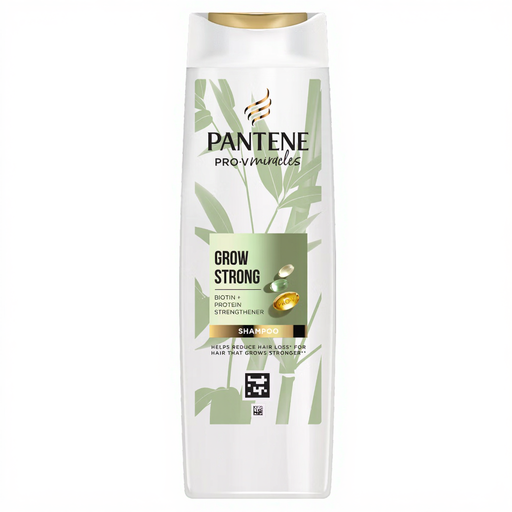
Why This Fits Their Persona: This larger shampoo for thin hair is aimed at people whose main concern is dry, damaged hair and breakage during styling rather than volume alone.
It is positioned around breakage reduction rather than promising to reverse clinical hair loss. The ingredient list also shows conditioning agents, including dimethicone and panthenol.
400ml net content; includes biotin, panthenol and glycerin; designed for dry, damaged hair prone to breakage.
For early signs of thinning, L’Oréal Paris Elvive Growth Booster Shampoo is another option to compare. According to the brand’s own clinical and consumer research, it has been assessed for hair-loss-related claims; these results should not be interpreted as a medical diagnosis or guaranteed outcome.
We have compiled a complete, real-time list of products that fully satisfy these strict selection criteria and UK safety regulations.
Usually, the visible effect is cosmetic and depends on the formula, hair condition and styling routine. A shampoo may help hair feel cleaner, more textured or fuller-looking after washing, but it does not necessarily increase the number of hairs growing from the scalp.
A 250ml bottle may last several weeks, while a 385ml or 400ml bottle can last longer. Usage frequency, hair length and the amount applied affect cost per wash. Using more product does not automatically create more volume; concentrate application on the scalp and rinse thoroughly.
Yes, thickening shampoo for women and men is generally selected according to hair texture, scalp condition and styling needs rather than gender. For persistent or sudden shedding, cosmetic shampoo should not replace advice from a GP or healthcare professional.