
24/7 Customer Support

Free returns

Same-day & Next-day Delivery

Quality Guaranteed

Unlock Your Welcome Offers: FREE Delivery | Up to 80% OFF | Free 30-day JoyPlus trial
Download the APP
From heat styling and colouring to environmental stressors, our hair goes through a lot. If you're dealing with strands that feel dry, brittle or frizzy, you've likely started searching for a hair treatment for damaged hair. The challenge isn't a lack of options, but rather a sea of them, each promising miraculous results. As a Joybuy Product Recommendation Officer, my role is to help you navigate this market and find a solution that genuinely works for your hair type and budget, without falling for common marketing traps.
Before you add another product to your basket, let's look at the pitfalls that often lead to disappointment and wasted money.
To make an informed choice, it helps to understand the core components and types of treatments available. Focusing on these parameters will ensure you select a product that addresses your specific concerns.
Understanding the purpose of each product type is the first step to building an effective hair care routine.
Look past the marketing claims on the front of the bottle and scan the ingredients list for components that serve a real purpose.
Instead of a generic list, we've matched specific products to common user needs. This approach helps you find a treatment that aligns with your lifestyle, hair concerns and budget.
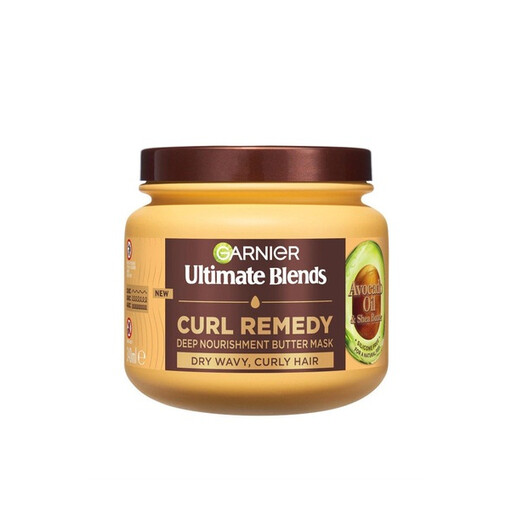
Why This Fits Their Persona: This user needs an effective curly hair mask that delivers intense moisture without a high price tag. The generous 340ml tub offers excellent value, making it a practical choice for regular use.
It avoids the "one-size-fits-all" trap by being specifically formulated for wavy, curly and coily hair. The formula is also silicone-free, preventing the heavy build-up that can weigh down curls.
Rich in nourishing Avocado Oil and Shea Butter to deeply hydrate and define curls. The formula is composed of 97% natural origin ingredients.
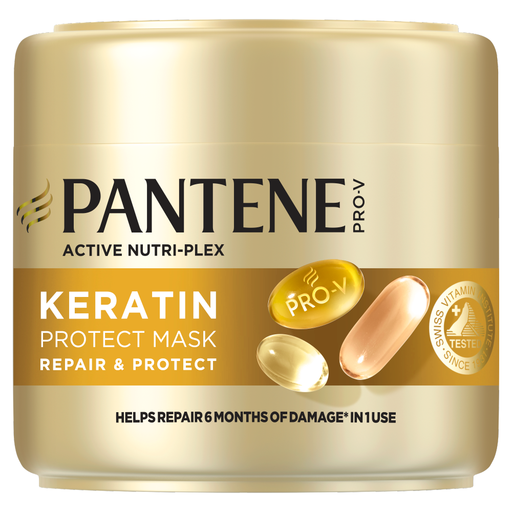
Why This Fits Their Persona: A busy professional needs a fast-acting, powerful hair repair mask to counteract damage from daily heat styling. This mask is designed for quick, intensive action to restore smoothness and shine.
It moves beyond a single "miracle ingredient" by combining a Pro-V formula with Active Nutri-Plex technology. According to Pantene, this is designed to strengthen hair against styling damage, addressing the root cause rather than just masking it.
This intensive treatment is formulated to help repair visible signs of damage in just one use, enhancing smoothness and shine for visibly healthier-looking hair.
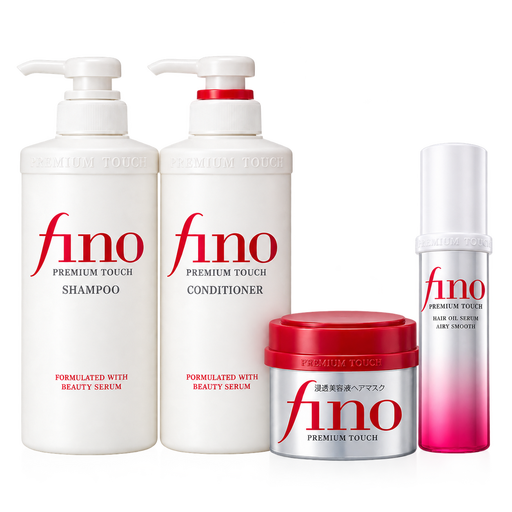
Why This Fits Their Persona: This user wants a complete, coordinated system to treat their damaged hair without the guesswork of mixing and matching brands. This set provides a full, four-step routine for a comprehensive approach.
This set directly solves the "product type confusion" pitfall. It provides a clear, synergistic system where each product has a defined role, from cleansing and daily conditioning to intensive treatment and finishing.
Offers a complete, salon-inspired routine in one package. The products are designed to work together to replenish moisture, smooth frizz and improve manageability for hair affected by colouring and heat styling.
We have compiled a complete, real-time list of products that fully satisfy these strict selection criteria and UK safety regulations.
This depends on the product type and your hair's condition. Intensive hair repair masks are typically most effective when used once or twice a week. Lighter formulas like a leave in conditioner for damaged hair can often be used after every wash. Always check the product's directions, as over-treating, especially with protein-heavy formulas, can sometimes make hair feel stiff or brittle.
No product can permanently fuse a split end back together. The only true method for split end repair is to have them trimmed off. However, certain treatments containing oils, silicones or bonding agents can temporarily seal the cuticle. This smooths the appearance of split ends and helps to prevent the split from travelling further up the hair shaft between haircuts.
A hair mask for dry hair or a deep conditioning treatment is a more concentrated product than a daily conditioner. It contains higher levels of moisturising and repairing ingredients and is designed to be left on the hair for a longer period (from a few minutes to over an hour) to allow for deeper penetration. A regular conditioner, like the best conditioner for dry damaged hair used daily, is designed for quick, surface-level detangling and smoothing immediately after shampooing.