
24/7 Customer Support

Free returns

Same-day & Next-day Delivery

Quality Guaranteed

Unlock Your Welcome Offers: FREE Delivery | Up to 80% OFF | Free 30-day JoyPlus trial
Download the APP
From the humidity of a British summer to the dry indoor heating of winter, our hair goes through a lot. Add colouring, heat styling and daily stress, and it's no wonder so many of us are searching for an effective hair treatment. But the market is flooded with options, many promising miraculous results that they can't deliver.
As a Product Recommendation Officer at Joybuy, I see firsthand how confusing it can be. Many people spend their hard-earned money on products that are either wrong for their hair type or based on marketing hype. Before you add another product to your basket, let's look at the common traps to avoid.
To choose a product that works, you need to look past the marketing and understand the core components. Here are the two most important factors to consider.
The first step is to correctly diagnose your main issue. Are you dealing with breakage and dryness, or is your concern thinning and hair fall from the root?
For Damaged, Brittle, or Frizzy Hair: If your hair feels like straw, snaps easily, or has visible split ends from colouring or heat, you need a hair repair mask or a strengthening hair treatment. Look for formulas containing ingredients that fortify the hair structure. Key ingredients to spot include hydrolysed proteins (like wheat or conchiolin protein), amino acids, ceramides and nourishing emollients like camellia seed oil or squalane. These ingredients help to fill in gaps in the hair cuticle, improving smoothness and resilience.
For Hair Thinning and Scalp Health: If you're noticing more hair in your brush or a widening parting, your focus should be on the scalp. A targeted hair loss treatment or hair growth serum is what you need. These products are formulated to create a healthy environment for your follicles. Look for ingredients known to stimulate the scalp, such as caffeine, niacinamide, biotin and botanical extracts like rosemary oil or swertia japonica extract.
Once you know what your hair needs, consider the product's texture and format.
Hair Masks: These are intensive treatments, usually with a rich, creamy consistency. If you have thick, dry, or very coarse hair, a heavy-duty mask with shea butter or coconut oil can provide the intense moisture it craves. For those with fine hair, look for a lightweight hair mask for damaged hair that rinses out cleanly to avoid weighing strands down.
Scalp Serums: These should be lightweight, non-greasy liquids that absorb quickly. Water- or alcohol-based formulas are common, as they deliver active ingredients directly to the scalp without leaving a heavy residue.
Hair Oils: A good frizzy hair treatment often comes in the form of an oil. Modern formulas use silicones or lightweight plant oils that coat the hair shaft to smooth the cuticle, add shine and protect from humidity without a greasy feel.
Based on these practical criteria, here are a few options from our catalogue, matched to specific user needs and designed to avoid the common pitfalls.
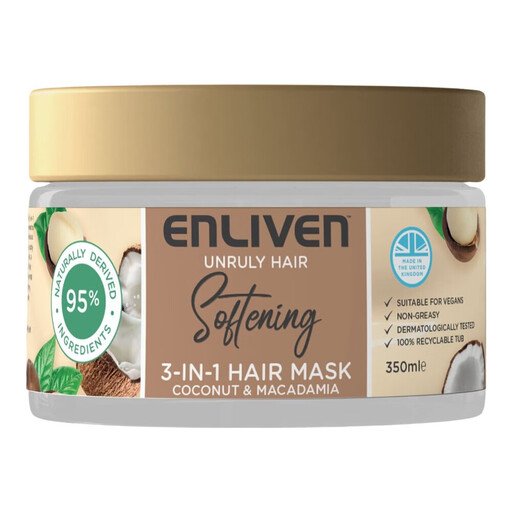
Why This Fits Their Persona: This is an excellent entry point for someone in the UK dealing with general dryness or frizz who wants a straightforward, affordable weekly treatment without a complicated routine. It provides noticeable softness and hydration.
It avoids the "miracle ingredient" trap by focusing on a well-understood hydrator (coconut extract) in a simple, effective formula. It's a no-fuss deep conditioning mask, not an over-marketed gimmick.
Provides deep nourishment and hydration for dry hair. The formula is dermatologically tested and suitable for vegans.
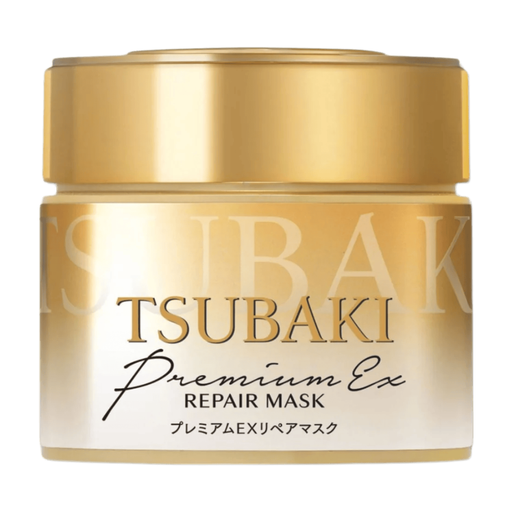
Why This Fits Their Persona: For those whose hair is struggling after years of colouring, bleaching, or daily heat styling. This mask is specifically formulated for intensive repair of chemically damaged and severely dry hair, helping to restore a smooth, supple texture.
This product correctly targets a specific problem—severe damage—rather than making vague "one-size-fits-all" claims. Its ingredient list, featuring camellia seed oil and royal jelly extract, is geared towards deep nourishment and repair.
Delivers intensive repair for chemically damaged hair. The lightweight cream texture provides deep care without weighing hair down.
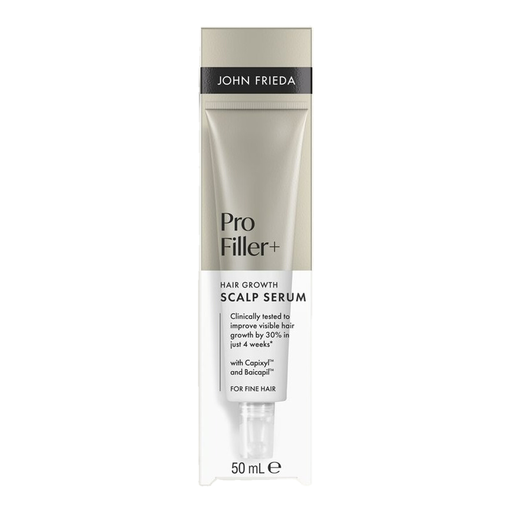
Why This Fits Their Persona: Perfect for individuals in the UK concerned about thinning hair and seeking to improve scalp health. This serum is designed for daily use to create a better environment for hair growth and strengthen strands from the root.
It avoids the confusion between scalp serums and hair oils. This is a dedicated, lightweight scalp serum with ingredients like caffeine, biotin and niacinamide, designed to be absorbed at the root, not to coat the hair shaft.
Lightweight, non-greasy formula absorbs quickly. It is gentle enough for daily use and is safe for colour-treated hair.
We have compiled a complete, real-time list of products that fully satisfy these strict selection criteria and UK safety regulations.
This depends entirely on the type of product and your hair's condition. A deep conditioning hair mask is typically used once a week in place of your regular conditioner. However, a scalp serum designed for hair thinning is often intended for daily application to achieve consistent results. Finishing products like a hair oil for dry hair can be used as needed on damp or dry hair. Always refer to the directions on the product packaging for the recommended usage.
No hair product can truly "glue" split ends back together. A good hair repair mask or smoothing serum can temporarily seal the hair cuticle, which significantly reduces the appearance of split ends and helps prevent them from worsening. However, the only permanent solution for existing split ends is to have them trimmed off by a hairdresser.
This is a common concern, but most modern scalp serum formulas are designed specifically to avoid this. They are typically water- or alcohol-based, making them very lightweight and fast-absorbing. To prevent any greasy feeling, ensure you apply the product directly to your scalp in sections, rather than onto the hair strands, and massage it in gently until it is absorbed.