
24/7 Customer Support

Free returns

Same-day & Next-day Delivery

Quality Guaranteed

Unlock Your Welcome Offers: FREE Delivery | Up to 80% OFF | Free 30-day JoyPlus trial
Download the APP
Dry ends, knots, frizz and colour that looks dull between salon visits can make an at-home hair treatment seem like an easy solution. However, choosing by packaging, fragrance or impressive-sounding claims alone can lead to wasted money.
The right product depends on why your hair feels difficult to manage and how you plan to use the treatment. A rich hair mask may suit brittle lengths but leave fine hair limp, while an anti-frizz hair treatment may need heat styling to work properly. UK water quality, frequent washing, colouring and damp weather can also affect the result.
Many products use words such as “repair”, “reconstruct” or “bond repair”. These terms do not all describe the same type of product. A rinse-off mask can coat and condition the hair surface, helping it feel smoother and easier to comb. A bond repair treatment may use different ingredients and instructions, often as part of a multi-step routine.
Treat “repair” as a description of the intended use rather than a guaranteed medical or permanent result. Hair that has already split cannot be joined back together by a cosmetic product; the visible improvement may come from conditioning, lubrication and reduced friction.
Hard-water minerals, chlorine, styling products and excess oil can leave hair dull or rough. Applying another moisturising hair mask over build-up may make the hair feel coated rather than cleaner.
A pre-shampoo treatment designed for mineral or residue removal is more suitable when colour looks brassy, hair feels waxy or products no longer seem to absorb.
A treatment that needs blow-drying is not interchangeable with a weekly hair mask. Some formulas are applied before shampooing, while others go on clean, towel-dried hair and must be rinsed. Check the instructions, application time and whether heat activation is required before buying.
Use the following as a practical starting point:
Ingredients such as glycerin, panthenol and oils can support a softer feel, while behentrimonium chloride, cetrimonium chloride and silicones can improve slip and detangling. Hydrolysed proteins and keratin derivatives may give hair a temporarily stronger, more conditioned feel, but some hair types may find frequent protein-rich products less comfortable.
If your hair is fine, choose a lighter formula and apply it mainly to the mid-lengths and ends. Thick, coarse or highly porous hair may tolerate a richer moisturising hair mask. Fragrance and essential oils can also be relevant if your scalp is sensitive, so read the current packaging ingredient list before use.
A 50ml premium treatment may be convenient for occasional use or travel, whereas a 225–380ml tub can make more sense for weekly application on long or thick hair. Compare the amount required per use rather than judging value by the tub size alone.
Also check whether the product is:
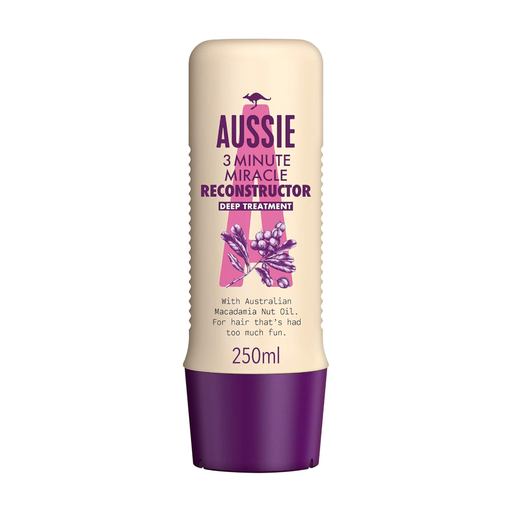
Why This Fits Their Persona: A practical option for shoppers starting a weekly damaged hair treatment routine, with a three-minute application time and 250ml format.
Its instructions give a clear short processing time, avoiding the assumption that every mask needs to be left on for an hour.
Rinse-off formula; includes jojoba seed oil, aloe vera and hydrolysed keratin; designed for one to two uses weekly.
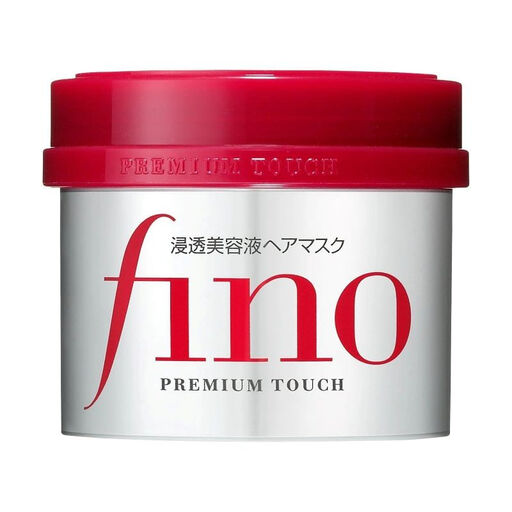
Why This Fits Their Persona: Suits people wanting a richer weekly deep conditioning hair mask for dry, brittle or chemically treated lengths.
The usage guidance specifies application after shampooing and recommends one to two uses per week, helping prevent over-conditioning.
230g tub; contains conditioning agents, glycerin, squalane and hydrolysed wheat protein; intended for damaged areas.
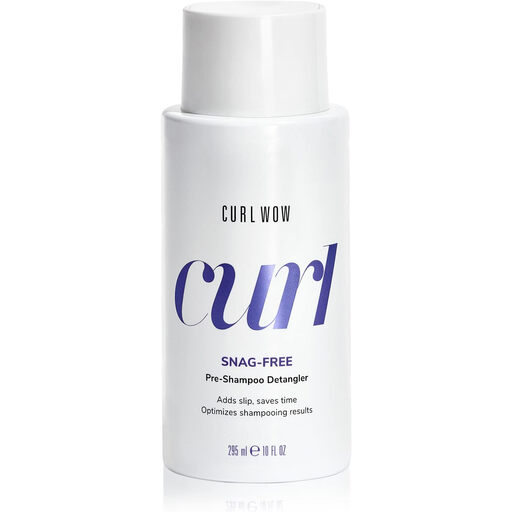
Why This Fits Their Persona: Designed for curly, coily and textured hair that becomes difficult to detangle before washing.
It is clearly a pre-shampoo detangler, not a conventional mask, so it addresses knot-related pulling before cleansing.
Applied to dry, unwashed hair; contains cetrimonium chloride, panthenol, glycerin and hydrolysed keratin; rinses during shampooing.
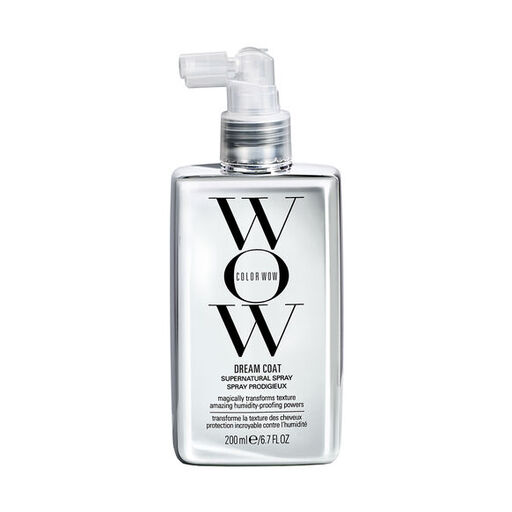
Why This Fits Their Persona: A leave-in anti-frizz hair treatment for shoppers who regularly blow-dry and want to manage frizz in humid UK weather.
The instructions state that blow-drying with tension activates the formula, making the required styling step clear.
200ml spray; heat-activated application; formulated with smoothing polymers and glycerin; used every three to four shampoos.
We have compiled a complete, real-time list of products that fully satisfy these strict selection criteria and UK safety regulations.
For a rinse-off hair mask, shampoo first unless the label says it is a pre-shampoo treatment. Squeeze out excess water so the formula is not diluted, then apply from the mid-lengths to the ends. Comb through gently with fingers or a wide-tooth comb, leave it on for the stated time and rinse thoroughly.
For a pre-shampoo treatment, follow the dry- or damp-hair instructions carefully. Use a separate conditioner afterwards if the product is intended to cleanse or remove mineral build-up. With curly hair, detangle in sections and avoid forceful brushing.
Always follow the packaging directions and check the ingredient list for changes. Keep products away from the eyes, discontinue use if irritation develops and avoid applying cosmetic hair treatments to broken or inflamed skin.
Most intensive masks are suitable for once or twice weekly, while lighter conditioners may be used more often. Fine hair may need less product, whereas thick, curly or heavily processed hair may benefit from a richer weekly routine. Follow the individual product directions rather than increasing frequency to chase faster results.
It can be, but the purpose matters. A pre-shampoo detangler helps reduce tugging and friction, while a mineral-removing pre-wash treatment targets build-up. Neither automatically replaces a moisturising hair mask, so you may still need conditioning care after shampooing.
Many products are formulated for coloured or chemically treated hair, but suitability varies. Check the product description and current packaging, avoid unnecessary high-temperature styling and use a colour-focused treatment if fading or brassiness is your main concern. A small section or patch test can help identify irritation or an unwanted cosmetic effect before full application.