
24/7 Customer Support

Free returns

Same-day & Next-day Delivery

Quality Guaranteed

Unlock Your Welcome Offers: FREE Delivery | Up to 80% OFF | Free 30-day JoyPlus trial
Download the APP
A hair treatment mask can make a noticeable difference to how dry, brittle or frizz-prone hair feels. However, choosing one based only on phrases such as “intensive repair” or “professional results” can lead to wasted money. The right formula depends on your hair’s condition, colour, texture and how much time you want to spend on your routine.
Most masks condition the outer surface of the hair, helping it feel softer, smoother and easier to detangle. They cannot permanently reverse split ends or restore hair that has been cut or severely weakened. Ingredients such as oils, conditioning agents, proteins and silicones may improve manageability, but the effect usually needs regular maintenance.
A thick moisturising hair mask may suit coarse curls but leave fine hair flat or greasy. Conversely, a lightweight formula may not provide enough slip for very dry, thick or tightly curled hair. Check the intended hair type and apply mainly from the mid-lengths to the ends rather than automatically coating the roots.
A standard deep conditioning hair mask is not necessarily designed for blonde, grey or coloured hair. If unwanted yellow or brassy tones are your concern, look for a toning treatment with suitable violet or blue pigments. If you prefer a vegan hair mask, natural-origin ingredients or silicone-free care, verify the product description and packaging rather than relying on front-label imagery alone.
Match the product to one primary concern:
A rinse-out mask is generally easier to control and suits people who want intensive care once or twice a week. A leave-in hair mask can be more convenient for busy routines, but use a small amount to reduce the chance of product build-up. Multi-use products offer flexibility, particularly if you switch between quick conditioning and longer weekly treatments.
A 50ml treatment may be suitable for occasional use or travel, while 225ml to 400ml tubs are more practical for regular full-length application. Consider how much product your hair needs: long, thick or curly hair uses more per application than short or fine hair. Compare the net content and recommended frequency, not just the shelf price.
Always follow the packaging instructions. For products containing fragrance, colourants or active ingredients, check the current ingredient list and carry out any patch test requested by the manufacturer. Avoid eye contact, use products externally only and stop if irritation develops.
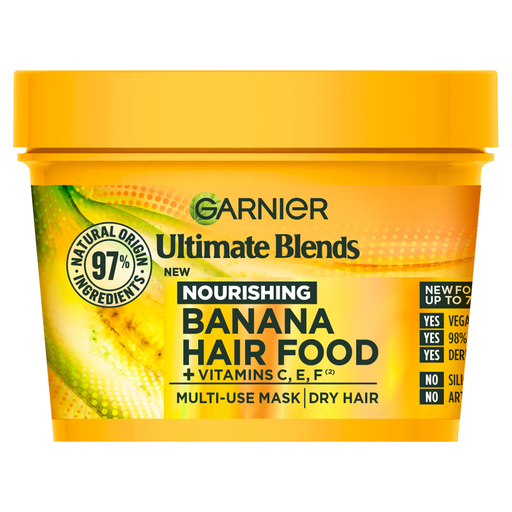
Why This Fits Their Persona: A practical choice for shoppers wanting one large tub for conditioning, weekly masking and occasional leave-in use.
Its three application options make it easier to adjust the amount and treatment time instead of using a rich mask in the same way every time.
400ml size; 100% vegan formula; no silicones; can be used as a rinse-out or leave-in treatment.
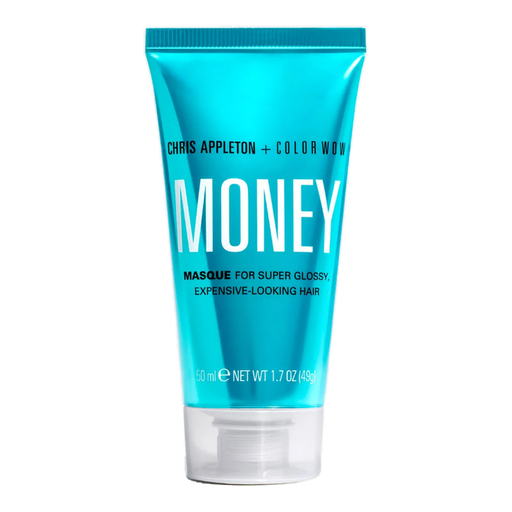
Why This Fits Their Persona: Suits shoppers seeking a concentrated deep conditioning hair mask for dry, brittle or chemically processed lengths.
The stated 5–10 minute use time gives a defined routine, while application from mid-lengths to ends helps avoid unnecessary root heaviness.
Contains hydrolysed keratin and panthenol; described as suitable for colour-treated, bleached and chemically processed hair.
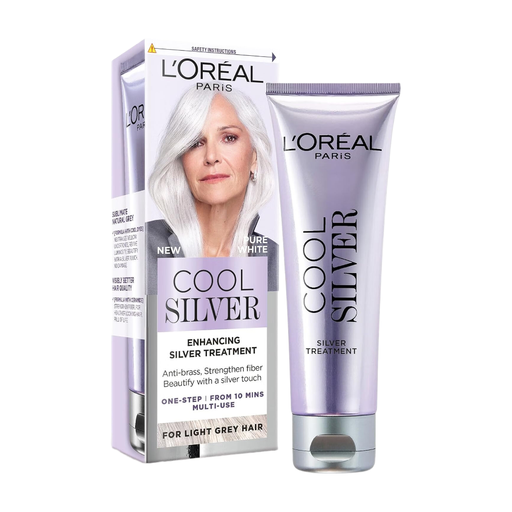
Why This Fits Their Persona: Designed for people maintaining blonde, grey or silver tones who want a short, targeted at-home colour-care step.
It is a toning treatment rather than a generic moisturising mask, so its purpose is clearer: helping to neutralise unwanted brassy tones.
Ammonia-free formula; 10-minute application, extendable to 15 minutes for a more intense result; up to four applications according to the product description.
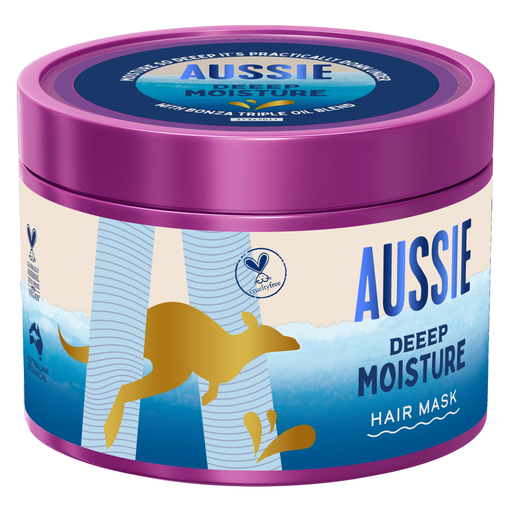
Why This Fits Their Persona: A convenient option for very dry, thick, curly or brittle hair that needs flexible conditioning in a regular UK routine.
The multi-use format allows a shorter treatment on busy wash days or a longer application when hair needs more conditioning.
300ml format; jojoba, avocado and macadamia oils; vegan and PETA-certified cruelty-free according to the product information.
We have compiled a complete, real-time list of products that fully satisfy these strict selection criteria and UK safety regulations.
For a glossing or toning product, follow its specific instructions instead of treating it like a conventional dry hair mask. Colour-treated hair can also benefit from products clearly described as colour-safe.
Once a week is a sensible starting point for a rinse-out mask. Very dry or curly hair may need more frequent conditioning, while fine hair may require less. If hair feels coated, limp or difficult to style, reduce the amount or frequency.
Some multi-use formulas can replace conditioner, provided the packaging states this. A conventional intensive mask may be too rich for every wash, so use it as a weekly treatment and keep a lighter conditioner for regular washing.
It can be, but check for a colour-safe statement and avoid assuming that every mask protects colour. For blonde, grey or silver hair with brassiness, a dedicated silver-toning treatment is designed for a different purpose from a standard deep conditioning or hair repair treatment.