
24/7 Customer Support

Free returns

Same-day & Next-day Delivery

Quality Guaranteed

Unlock Your Welcome Offers: FREE Delivery | Up to 80% OFF | Free 30-day JoyPlus trial
Download the APP
Dry, brittle and frizzy hair can make even a simple wash-and-style routine feel difficult. Central heating, hard water, frequent blow-drying, bleaching and damp UK weather can all contribute to rough texture, tangling and visible flyaways. The right hair treatments for dry and damaged hair can improve softness, manageability and shine, but choosing between masks, conditioners and leave-in products requires more than comparing marketing claims.
A product can make hair feel instantly smoother by coating the surface with conditioning agents. This may be useful, particularly for detangling and reducing friction, but it does not necessarily mean that structural damage has been reversed. Look for clear information about the product’s intended use, application time and hair type rather than relying on phrases such as “instant repair”.
Thick formulas may suit coarse, bleached or highly porous hair, but fine hair can look flat or greasy if too much product is applied. A deep conditioning hair mask is usually intended for occasional use, while a regular conditioner or mist may be more suitable between washes.
Some anti-frizz products are activated by blow-drying, while others are simply rinse-off conditioners or leave-in smoothing products. Check the label for a stated heat-protection temperature if you regularly use straighteners, curling tools or a hairdryer. Do not treat a product as a heat protection hair treatment unless this function is specifically described.
Match the format to your routine:
A short application time can be convenient, but a longer treatment is not automatically more effective. Follow the instructions supplied with the product.
Ingredients such as glycerin, conditioning alcohols, oils, silicones, keratin or hydrolysed proteins can serve different purposes. Conditioning agents may improve slip and combability, while oils can add softness and reduce a dry feel. Silicones may help smooth the cuticle surface and reduce friction, although some users prefer to avoid them.
If your hair is fine, select a lightweight conditioner or mist and apply a small amount to the ends. Coarse, curly or heavily processed hair may tolerate a richer hair repair treatment more comfortably.
Bleached and coloured hair often benefits from gentle handling, reduced heat exposure and regular conditioning. Check whether the product is described as suitable for colour-treated hair, but remember that this does not replace careful washing and heat management. Fragrance and certain ingredients may not suit everyone, so read the current packaging and ingredient list before use, particularly if you have a sensitive scalp.
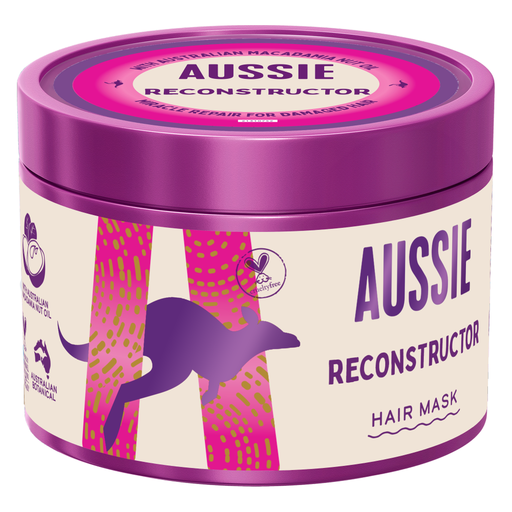
Why This Fits Their Persona: A straightforward rinse-off option for shoppers beginning a weekly repair routine without adding several products to the bathroom shelf. The 300ml size is practical for regular at-home conditioning.
The directions specify a three-to-five-minute rinse-off application, helping distinguish it from a daily conditioner or leave-in product.
Contains macadamia seed oil; vegan formula; designed for dry and damaged hair.
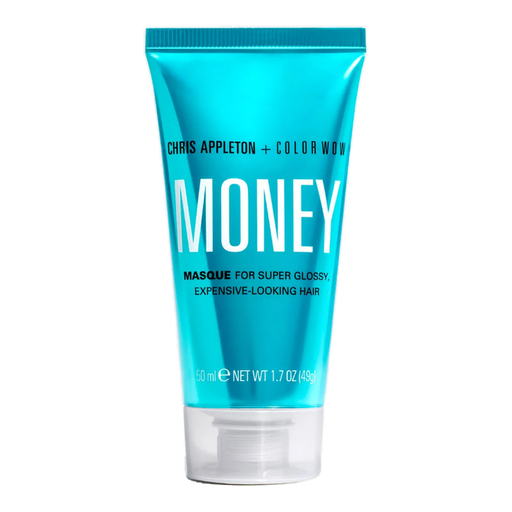
Why This Fits Their Persona: Suitable for shoppers wanting a compact intensive treatment for dry, brittle, bleached or chemically processed hair, particularly where softness and shine are priorities.
Its instructions clearly call for five to ten minutes on clean, towel-dried hair and weekly use, rather than suggesting it replaces every part of a haircare routine.
Includes hydrolysed keratin and panthenol; described as suitable for colour-treated hair; lightweight masque format.
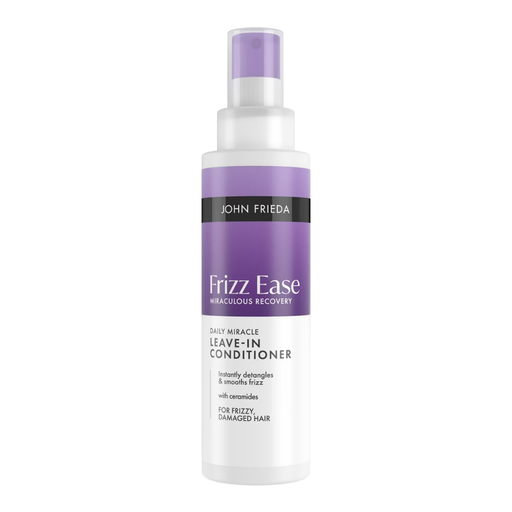
Why This Fits Their Persona: A practical choice for frequent styling, commuters and anyone managing frizz during humid or rainy UK weather. It is applied to towel-dried hair and left in.
The product description specifies heat protection up to 230°C, making its styling role clearer than that of a standard rinse-off mask.
Leave-in format with argan oil and hydrolysed keratin; described as suitable for colour-treated hair.
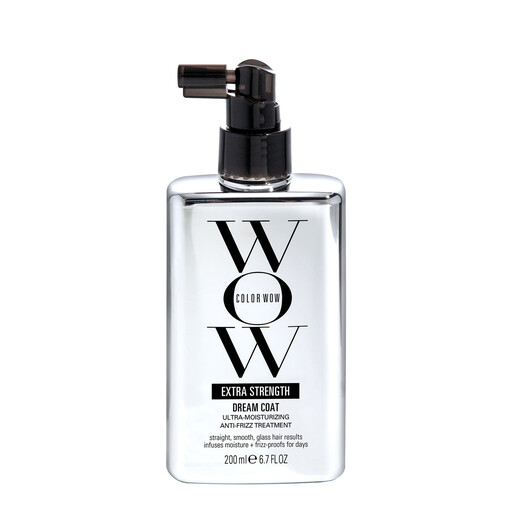
Why This Fits Their Persona: Designed for coarse, thick, curly or particularly unruly hair where humidity control and a sleek blow-dried finish are central to the routine.
The directions state that the spray must be evenly applied to towel-dried hair and activated by blow-drying, so it is not mistaken for a passive overnight mask.
Heat-activated anti-frizz spray; lightweight finish; described as suitable for colour-treated hair.
Start with one primary treatment rather than layering several rich products at once. A simple routine could be:
If hair becomes heavy, coated or difficult to style, reduce the amount or frequency rather than adding another product. Always follow the packaging directions, avoid direct eye contact and stop using a product if irritation develops.
We have compiled a complete, real-time list of products that fully satisfy these strict selection criteria and UK safety regulations.
A rinse-off mask is commonly used once a week, or according to the product instructions. A regular conditioner can be used after washing, while a leave-in product may be suitable more frequently if your hair does not become weighed down.
Sometimes, but not always. A mask provides more intensive conditioning, whereas a daily conditioner is usually quicker and lighter. If the mask leaves your hair flat or oily, use it less often and return to a regular conditioner between treatments.
Use a colour-suitable conditioner or mask on the lengths, detangle gently and apply a leave-in anti-frizz or heat protection hair treatment before styling. For humidity-related frizz, a heat-activated smoothing spray may be more appropriate than applying a heavy oil. Check each product’s directions and the latest ingredient information before use.