
24/7 Customer Support

Free returns

Same-day & Next-day Delivery

Quality Guaranteed

Unlock Your Welcome Offers: FREE Delivery | Up to 80% OFF | Free 30-day JoyPlus trial
Download the APP
Dry ends, frizz, breakage and flat roots can make everyday styling frustrating, particularly with UK humidity and frequent use of heated tools. However, choosing between hair masks, conditioners, serums and anti-frizz hair treatments is not simply a matter of selecting the most expensive-looking product.
The right choice depends on your hair’s condition, texture and styling routine. This guide explains the key features to check, common buying traps and suitable options for different needs.
Silicones, conditioning agents and oils can make hair feel smoother after one use. That can be useful for detangling and reducing friction, but it does not necessarily mean damaged areas have been permanently repaired. Look for a product that clearly matches your goal, whether that is hydration, easier combing, frizz control, shine or a softer finish.
A thick hair mask may feel nourishing on coarse or very dry hair, but it can leave fine or thin hair looking flat. Fine hair often benefits from lightweight conditioners, modest amounts of leave-in product and application from the mid-lengths rather than the roots.
Some treatments need several minutes of contact time, while heat-activated smoothing sprays require thorough blow-drying. A product may be unsuitable for your routine if you do not have time for the recommended application method. Always check whether it is rinse-off, leave-in or heat activated.
Check the directions for whether the product should be applied to the scalp, lengths or ends. Most rinse-off treatments are designed for the mid-lengths and ends. Applying a rich formula close to the roots may make fine hair feel heavy or oily.
For curly hair treatment, distribution matters. A serum or cream should be spread evenly through damp curls, while a humidity-resistant spray may need sections and tension during blow-drying. Using too much product can reduce volume and leave residue, even when the formula is described as lightweight.
If you have colour-treated, bleached or chemically processed hair, check the label for suitability and follow the manufacturer’s instructions. A formula containing glycerin, panthenol, hyaluronic acid or plant oils may suit hair seeking hydration, while hydrolysed keratin, wheat protein or amino acids may appeal to shoppers looking for a strengthening-focused routine.
Those seeking vegan hair care should check the product’s specific vegan statement rather than assuming that a botanical ingredient list guarantees it. Fragrance and preservatives can also be relevant if your skin or scalp is sensitive. Perform a small patch check where appropriate and stop use if irritation develops.
The most suitable hair treatments are the ones you can use consistently:
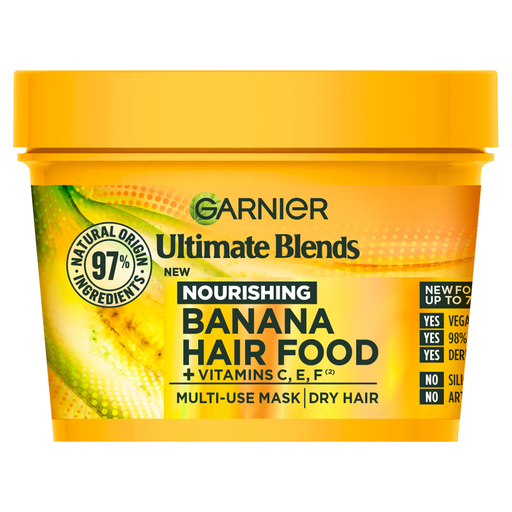
Why This Fits Their Persona: A 400ml multi-use format gives shoppers flexibility for conditioner, rinse-out mask or leave-in application without buying several separate products.
The three application methods make it easier to adjust the amount and intensity, reducing the need to use a heavy mask every wash.
Vegan formula; contains banana fruit juice and shea butter; suitable for curls and coils.
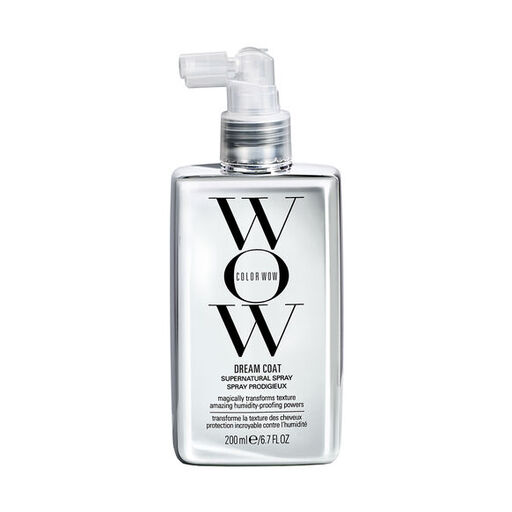
Why This Fits Their Persona: Suits shoppers who regularly blow-dry and want a lightweight smoothing hair treatment for sleek styling in damp UK weather.
Its instructions clearly state that the spray is heat activated, so shoppers can judge whether it fits their styling habits before buying.
Lightweight, non-greasy spray; designed to resist humidity; suitable for colour-treated hair.
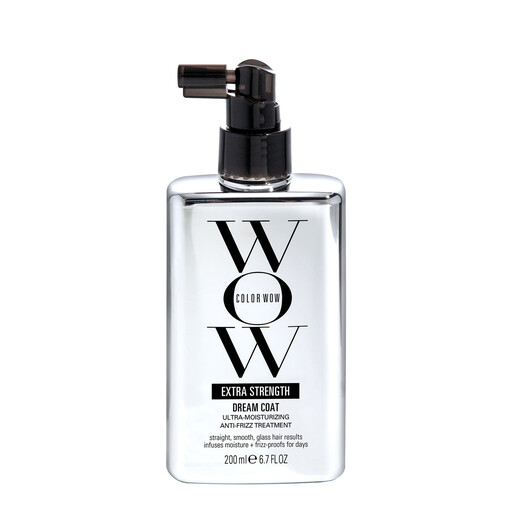
Why This Fits Their Persona: Designed for extremely frizzy, coarse or hard-to-manage hair that needs a stronger humidity-focused styling step.
The extra-strength positioning is tied to a specific hair profile, helping prevent shoppers with fine hair from choosing an unnecessarily rich control product.
Heat-activated application; non-sticky finish; intended to help block humidity and reduce visible frizz.
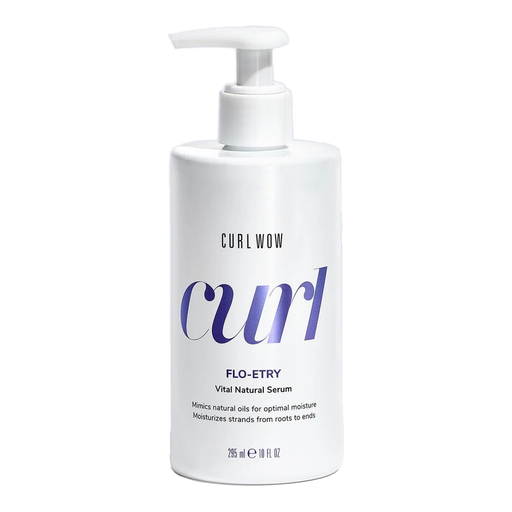
Why This Fits Their Persona: A targeted option for curly and coily hair types seeking hydration, definition and frizz control without a stiff finish.
The application guidance allows the amount to be adjusted by hair thickness, helping reduce overloading on finer curls.
Suitable for 3a–4c curl patterns; contains jojoba, pequi and coconut oils; can be used on damp or dry hair.
We have compiled a complete, real-time list of products that fully satisfy these strict selection criteria and UK safety regulations.
A rinse-off conditioner can usually be used according to its label, while richer hair masks and hair repair treatments are often intended for weekly or occasional use. Fine hair may need less product, whereas coarse, curly or very dry hair may tolerate a more intensive routine. Follow the directions rather than leaving every formula on for longer.
Some are designed for daily application, but the amount matters. Start with a small quantity on the mid-lengths and ends, then increase only if needed. Avoid the roots if your hair becomes flat easily. Check whether the product is intended for damp hair, dry hair or both.
Certain anti-frizz hair treatments are formulated to help resist moisture in the air, but results depend on application and styling. Heat-activated sprays generally require thorough blow-drying, while serums and creams are applied in smaller amounts to smooth the surface. No treatment removes the need for sensible heat protection and regular trimming of damaged ends.