
24/7 Customer Support

Free returns

Same-day & Next-day Delivery

Quality Guaranteed

Unlock Your Welcome Offers: FREE Delivery | Up to 80% OFF | Free 30-day JoyPlus trial
Download the APP
Dry ends, frizz after a damp commute and hair that loses its shape before lunchtime are familiar problems for many UK shoppers. The right hair treatments can improve manageability and styling results, but choosing by packaging or a dramatic promise can lead to wasted money.
A practical buying decision starts with identifying your main concern: humidity-driven frizz, heat exposure, dryness, breakage, flat roots or colour-treated hair. These issues often need different product formats.
An anti-frizz treatment can coat the hair surface and improve smoothness, but that does not make it interchangeable with a deep conditioning hair mask or hair repair treatment. Silicone-based serums, polymers and humidity barriers may help hair look sleeker, while masks are generally designed for rinse-off conditioning.
If your main issue is dryness or snapping ends, prioritise conditioning ingredients and a suitable treatment time rather than simply choosing the product with the strongest “gloss” wording.
A heat protection spray may be labelled for temperatures such as 220°C, 230°C or 232°C, but this does not mean unlimited exposure is harmless. Results also depend on how often you use hot tools, whether hair is wet or dry, how slowly you pass over each section and the condition of the hair.
Use the lowest practical temperature, avoid repeatedly heating the same section and follow the product’s directions. Aerosol sprays should also be kept away from flames and ignition sources.
Oils, rich masks and layered styling products can flatten fine or low-density hair. Conversely, a lightweight volumising hair spray may not provide enough conditioning for thick, coarse or curly hair. Product weight, application area and frequency matter as much as the headline benefit.
Ingredients such as glycerin can support a moisturised feel, while conditioning agents, proteins, oils and silicones can improve slip, softness or shine. However, no single ingredient guarantees suitability for every hair type.
If you dislike residue, look for descriptions such as lightweight, non-sticky or silicone-free, while remembering that these are product characteristics rather than a promise of identical results for everyone. Fragrance and preservatives may also matter if your scalp is sensitive. Patch testing and stopping use if irritation develops are sensible precautions.
Some formulas work as a simple rinse-off step. Others need thorough blow-drying to activate a smoothing or volumising effect. This is especially important with heat-activated anti-frizz products: applying the product but air-drying may not deliver the intended styling result.
For colour-treated hair care, check the pack for suitability and use the latest ingredient and safety information printed on the product.
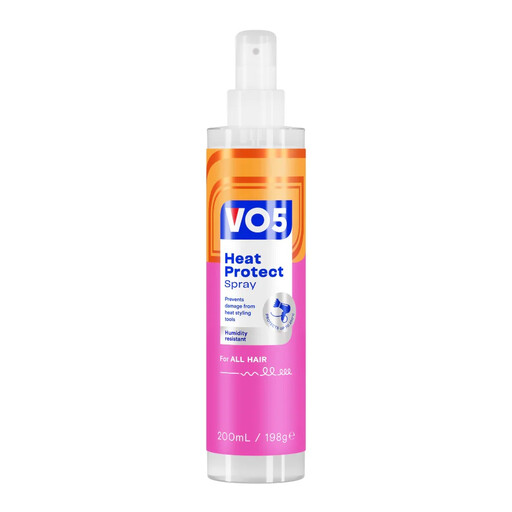
Why This Fits Their Persona: A straightforward option for shoppers beginning a regular blow-drying, curling or straightening routine. The 198g format is practical for home use.
It provides a clearly stated heat-protection rating up to 230°C, rather than relying only on vague styling language.
Lightweight formula; designed for use on towel-dried hair before heat styling.
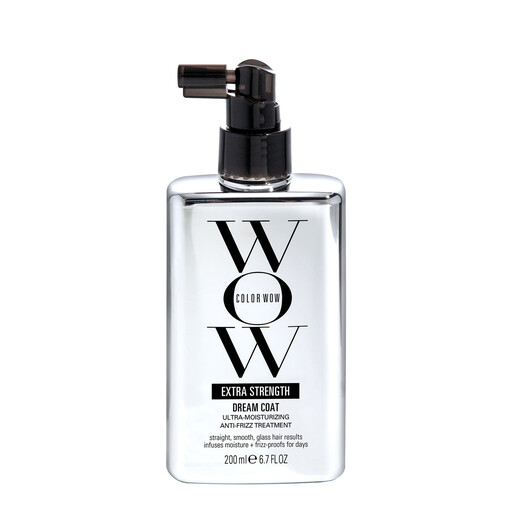
Why This Fits Their Persona: Suitable for people with thick, coarse or especially unruly hair who want a dedicated humidity-focused styling step for the UK climate.
The directions specify application to towel-dried hair followed by thorough blow-drying, making the activation requirement clear.
Heat-activated formula; described as lightweight with a non-greasy, non-sticky finish.
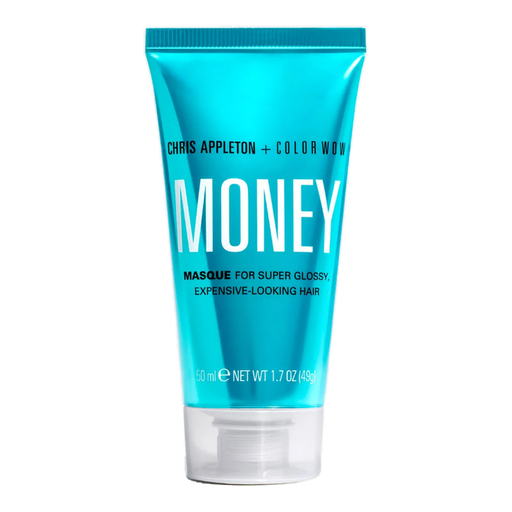
Why This Fits Their Persona: A weekly option for dry, brittle or processed lengths that need a dedicated conditioning session rather than a daily styling product.
Its instructions specify a five-to-ten-minute rinse-off application, helping users distinguish it from a leave-in serum.
Contains hydrolysed keratin and panthenol; listed as suitable for colour-treated and chemically processed hair.
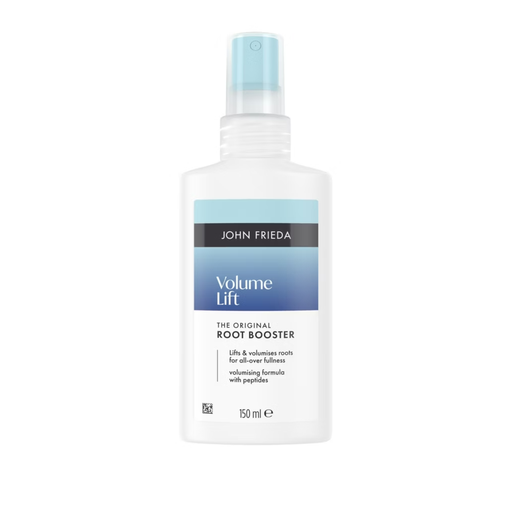
Why This Fits Their Persona: Designed for fine, flat hair that needs lift at the roots without a rich mask or oil-based finish.
It is applied mainly to the root area, reducing the risk of placing a volumising product heavily through the lengths.
Silicone-free formula; listed heat protection up to 220°C and suitability for colour-treated hair.
We have compiled a complete, real-time list of products that fully satisfy these strict selection criteria and UK safety regulations.
For dry, damaged or colour-treated hair, once weekly is a sensible starting point. Follow the product directions: some masks are designed for one to five minutes, while richer formulas may be left longer. Fine hair may need less product and a shorter application.
Not always. Choose a heat protection spray when hot tools are part of your routine. Add a smoothing hair serum if you also need shine, flyaway control or a small amount of moisture on the ends. Apply sparingly to avoid weighing hair down.
Cosmetic treatments can temporarily smooth the feel and appearance of damaged ends, but they cannot permanently rejoin a split strand. Regular conditioning, careful detangling, heat protection and trimming can help manage the appearance of damage.