
24/7 Customer Support

Free returns

Same-day & Next-day Delivery

Quality Guaranteed

Unlock Your Welcome Offers: FREE Delivery | Up to 80% OFF | Free 30-day JoyPlus trial
Download the APP
Choosing a hair conditioner is not simply a matter of picking the largest bottle or the product with the most impressive promises. The right formula should match your hair’s texture, condition and styling routine, particularly if you regularly use heat, colour treatments or products designed to control frizz.
Silicones, oils and conditioning agents can make hair feel smoother and easier to comb. That can be useful, but a rich formula may leave fine hair flat or make roots look greasy. Conversely, a lightweight conditioner may not provide enough moisture for coarse, curly or heavily processed hair.
Look for products labelled for your specific need, such as volumising conditioner for fine hair, anti-frizz conditioner, or repairing conditioner for damaged hair. Apply rinse-off conditioner mainly to the mid-lengths and ends rather than directly to the scalp.
Conditioners can improve softness, manageability and the appearance of dry ends, but they cannot permanently rebuild split ends. Ingredients such as hydrolysed keratin, vegetable proteins, amino acids and oils may help hair feel more conditioned, while a deep conditioning treatment can provide a more intensive smoothing step.
Check whether the product is intended for daily use or weekly use. A protein conditioner may suit weak-feeling strands, but using several protein-focused products at once may make some hair feel stiff or less flexible.
A conditioner cannot compensate for unsuitable heat settings, rough towel drying or frequent chemical processing. If you blow-dry, straighten or curl your hair, consider a heat protection hair treatment separately or choose a leave-in formula that specifically lists heat protection.
Humidity is also important in the UK. Products marketed for anti-frizz or humidity resistance may help control puffiness, but results depend on application, hair porosity and the weather.
Fine hair may benefit from a lightweight conditioner or a hair thickening conditioner with ingredients such as biotin, panthenol or proteins. Thicker hair may require richer emollients and oils. Curly and coily hair often benefits from a carefully distributed curly hair serum or leave-in product to support definition without crunch.
Read the complete ingredient list on the packaging, as formulations can change. Common ingredients include:
Fragrance allergens such as limonene, linalool or citronellol may appear on the label. If you have a known allergy or sensitive scalp, check the current packaging and stop using the product if irritation occurs. Hair products are for external use only and should be kept away from the eyes.
A 500ml bottle may offer better value for frequent use, while a 150ml or 200ml product can be easier to store or take when travelling. Compare the intended frequency of use rather than bottle size alone. A weekly treatment may last longer than a smaller daily conditioner.
For colour-treated hair, look for a formula specifically designed for that purpose. A conditioner for colour-treated hair should be assessed alongside your shampoo, heat styling and washing frequency. No conditioner can guarantee that colour will remain unchanged, so follow the care instructions supplied with your dye or salon service.
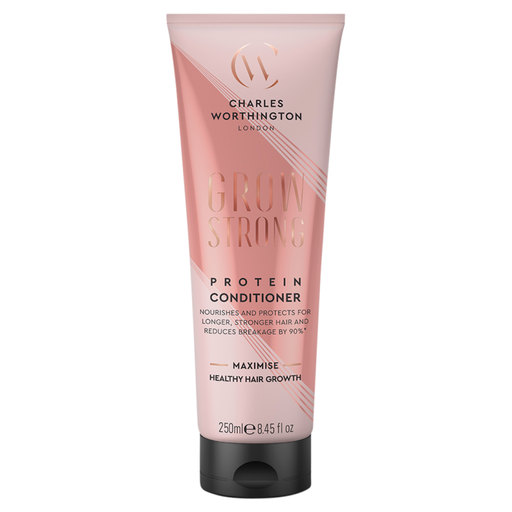
Why This Fits Their Persona: A practical 250ml rinse-off option for shoppers beginning a strengthening and smoothing routine, with use directed at the mid-lengths and ends.
Its protein-enriched formula is clearly positioned for nourishing and smoothing rather than making permanent repair promises.
Contains hydrolysed vegetable proteins and sunflower seed oil; designed for daily use across hair types.
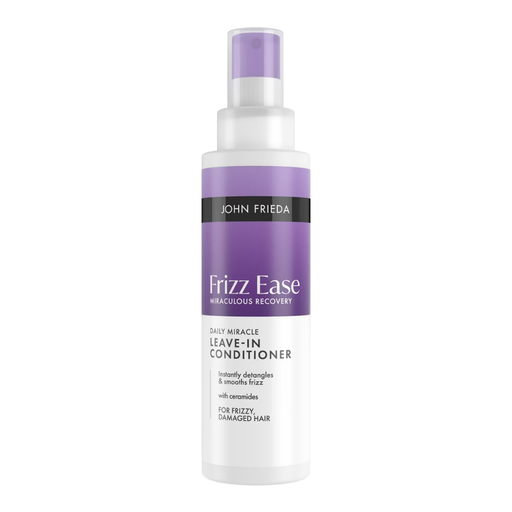
Why This Fits Their Persona: A convenient leave-in choice for commuters and regular heat-styling users managing dry, damaged or frizz-prone hair.
The product specifies a no-rinse format and heat protection up to 230°C, making its intended use clearer than a general smoothing claim.
Includes argan oil and hydrolysed keratin; suitable for colour-treated hair according to the supplied product information.
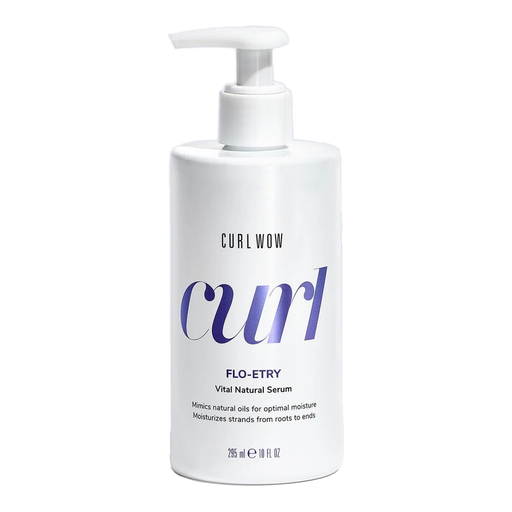
Why This Fits Their Persona: Designed for curly and coily hair types, it suits shoppers who want hydration, definition and frizz control in one styling step.
The lightweight serum format helps avoid the assumption that a rich conditioner is automatically suitable for curls.
Contains jojoba, pequi and coconut oils, plus hydrolysed rice protein; can be used on damp or dry hair.
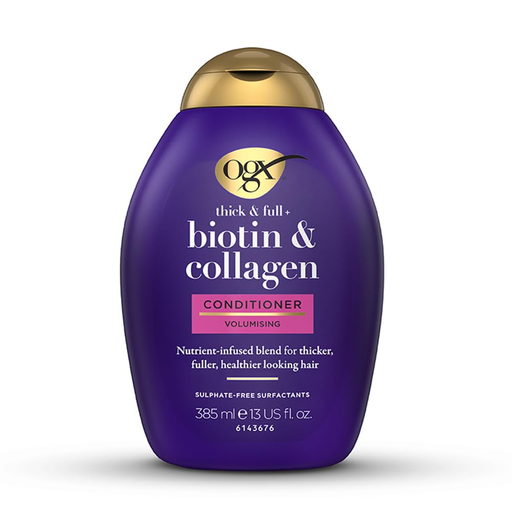
Why This Fits Their Persona: The 385ml size suits regular washing, while the formula is aimed at fine or thin hair needing a fuller-looking finish.
It identifies the intended hair profile and advises a three-to-five-minute application, rather than suggesting instant permanent thickness.
Contains biotin, collagen and hydrolysed wheat protein; uses a sulphate-free surfactant system.
We have compiled a complete, real-time list of products that fully satisfy these strict selection criteria and UK safety regulations.
For a smoothing hair treatment or mask, follow the recommended frequency rather than applying it at every wash. Heat-activated products, including some anti-frizz sprays, normally require blow-drying to form the intended finish. Avoid layering several heavy products until you know how your hair responds.
Most people can use a rinse-off conditioner after each shampoo. Fine hair may need a smaller amount, while dry, coarse or curly hair may benefit from a leave-in conditioner or weekly deep conditioning treatment. Follow the individual product directions.
It can if too much is applied near the roots or if the formula is particularly rich. Choose a lightweight or volumising conditioner for fine hair, apply it to the lengths and ends, and rinse carefully.
Not always. A daily conditioner is generally designed for detangling and routine softness. A treatment, mask or hair gloss treatment may be more concentrated and require longer or less frequent application. Check the label before adding it to your routine.