
24/7 Customer Support

Free returns

Same-day & Next-day Delivery

Quality Guaranteed

Unlock Your Welcome Offers: FREE Delivery | Up to 80% OFF | Free 30-day JoyPlus trial
Download the APP
Dryness, frizz, tangles and fading colour can make choosing a hair conditioner feel surprisingly complicated. Supermarket shelves and online listings are filled with claims about repair, hydration, shine and salon-style results, but the most suitable formula depends on your hair type, routine and the ingredients you are comfortable using.
This guide explains the main buying pitfalls, the specifications worth checking and our top recommendations for different hair-care needs in the UK.
A conditioner can make hair feel softer and easier to comb immediately after washing. However, this does not necessarily mean it has repaired structural damage. Ingredients such as silicones, conditioning polymers and fatty alcohols can coat or smooth the hair surface, improving manageability without reversing split ends or breakage.
For conditioner for dry damaged hair, look for a formula that clearly states how it is intended to be used and whether it is a rinse-off conditioner, leave-in product or occasional treatment. A repairing hair treatment or deep conditioning hair mask may be more appropriate for brittle, bleached or heat-styled hair than a lightweight daily conditioner.
Thick, buttery products may feel appealing, but they can leave fine or straight hair flat, greasy or difficult to style. Conversely, a very light conditioner may not provide enough slip for thick, curly or highly porous hair.
Match the product texture to your hair. Lightweight formulas are generally more practical for fine hair, while richer conditioning agents and oils may suit thick, curly or very dry strands.
A vegan hair conditioner does not automatically mean it is fragrance-free, hypoallergenic or suitable for a sensitive scalp. Botanical extracts and essential oils can still be unsuitable for some individuals. Check the full ingredient list, particularly if you react to fragrance or have previously experienced scalp irritation.
UK cosmetic products should display ingredients and appropriate safety information on their packaging. Always read the current label, as formulations can change.
Start with the problem you want to address:
Look for ingredients that match the desired finish rather than relying on a single headline ingredient. Glycerin and panthenol are commonly used in hydrating products, while conditioning agents such as behentrimonium chloride help improve combability. Oils, proteins and silicones can contribute to softness, shine or manageability, but the result varies according to hair type.
If your hair becomes limp easily, select a lightweight formula and apply it from the mid-lengths to the ends. If your hair is thick or very dry, a richer formula or mask may be more practical.
A 200ml bottle may suit occasional use or a short trial, while 300ml to 550ml formats can offer better convenience for frequent washing or longer hair. Compare the amount you need per use rather than choosing solely by bottle size.
Follow the stated application time. Some products are designed to rinse after one or two minutes, while hydrating formulas and masks may recommend three to ten minutes. A leave-in conditioner should be used sparingly at first to avoid build-up.
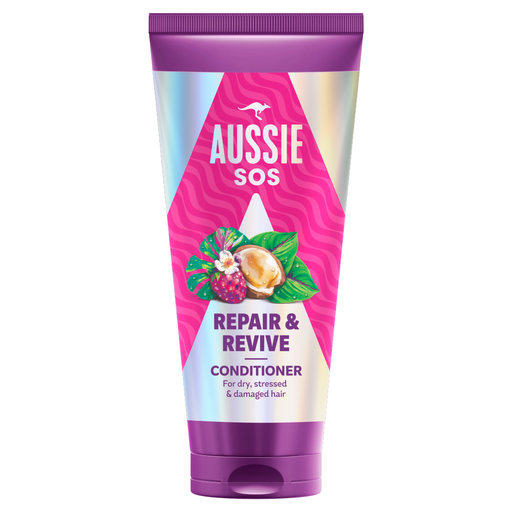
Why This Fits Their Persona: A straightforward rinse-off option for shoppers beginning a routine for dry, stressed or damaged hair, with a manageable 200ml size.
Its purpose is clearly stated as conditioning, hydration and detangling rather than promising permanent repair. The ingredient list is available for checking before purchase.
Vegan formula; designed to detangle and leave hair feeling soft and hydrated after rinsing.
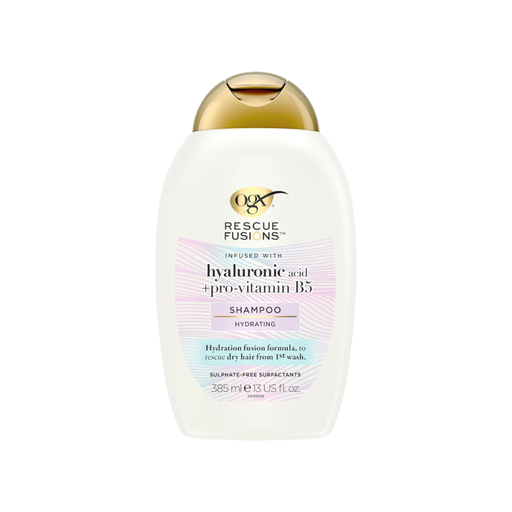
Why This Fits Their Persona: The larger 385ml format suits regular users wanting a richer hydrating hair conditioner for dry, frizzy or lifeless hair.
The product gives clear directions to leave it on for 3–5 minutes, helping buyers distinguish it from a quick rinse-off formula.
Contains hydrolysed hyaluronic acid and pro-vitamin B5; suitable for all hair types according to the supplied product information.
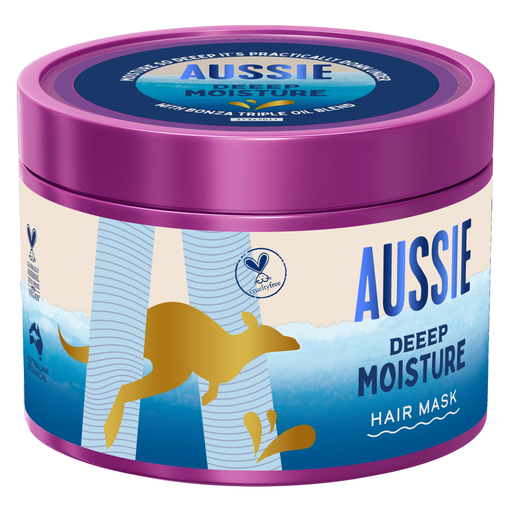
Why This Fits Their Persona: A practical choice for very dry, thick or curly hair that needs more intensive care than a standard daily conditioner.
Its three suggested uses—daily deep conditioning, a short treatment or longer mask—make the format more adaptable than a single-purpose product.
Contains jojoba, avocado and macadamia oils; vegan and PETA-certified cruelty-free according to the supplied product details.
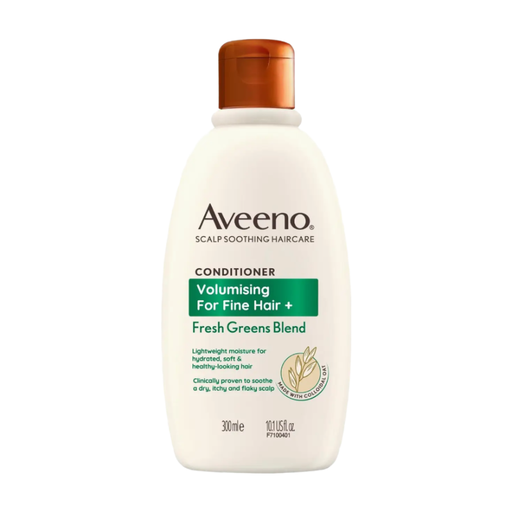
Why This Fits Their Persona: Its lightweight positioning suits fine-to-thin hair and shoppers who prefer a pH-balanced, sulphate-free conditioner.
The formula is positioned around lightweight moisture rather than heavy oils, reducing the risk of flattening fine hair.
Contains colloidal oat, cucumber water, rosemary oil and peppermint extract; supplied as a 300ml bottle.
We have compiled a complete, real-time list of products that fully satisfy these strict selection criteria and UK safety regulations.
Most people can use a rinse-off conditioner whenever they shampoo. Fine hair may need a smaller amount, while thick, curly or dry hair may benefit from more generous application. A deep conditioning hair mask is usually better reserved for occasional intensive care, following the product instructions.
It can be, provided you choose a lightweight product and apply it away from the roots. Spray or smooth a small amount through damp mid-lengths and ends. If hair feels coated or loses volume, reduce the amount or use it less frequently.
Usage varies with hair length, density and washing frequency. A 200–250ml bottle may last several weeks for short or fine hair, while longer or thicker hair uses more per wash. Comparing the net volume, recommended dosage and price per 100ml gives a more useful cost comparison than the shelf price alone.