
24/7 Customer Support

Free returns

Same-day & Next-day Delivery

Quality Guaranteed

Unlock Your Welcome Offers: FREE Delivery | Up to 80% OFF | Free 30-day JoyPlus trial
Download the APP
Dry, brittle and frizzy hair often needs more than a pleasant fragrance and attractive packaging. The right hair conditioner for damaged hair should match the condition of your lengths, your styling routine and any colour treatment you use.
Marketing can make every formula sound restorative, but a conditioner cannot permanently reverse structural damage. It can help improve surface feel, detangling and manageability while you continue to reduce heat, chemical stress and rough handling. Before buying, watch for these common pitfalls.
A thick conditioner may leave hair feeling smooth immediately, but richness alone does not tell you whether it is suitable for fine, thin or easily weighed-down hair. Check how the product is intended to be used and whether it is described as lightweight, hydrating, detangling or intensive.
Bleached, highlighted, dyed, silver and grey hair can have different maintenance needs. A general repair conditioner may improve softness, but it may not be designed for blonde or grey hair routines. If brassiness is a concern, look for a dedicated conditioner for blonde and grey hair and check whether it is intended to be paired with a purple shampoo.
Terms such as “repair”, “rescue” and “renew” are often used as product positioning. Read them as indicators of intended use rather than medical or permanent claims. A repair conditioner can support smoother-feeling hair and easier combing, but split ends still require trimming and severely compromised hair may need a simpler routine with less heat and chemical processing.
Fine hair often benefits from a conditioner that rinses clean and does not leave a heavy coating. Thicker, coarse or highly porous hair may prefer a richer formula applied mainly to the mid-lengths and ends.
Look for practical descriptions such as:
A hydrating conditioner or conditioner for dry hair should make hair easier to handle without requiring excessive product at every wash.
In the UK, cosmetic products should display an ingredients list on the packaging. Review it before purchase, particularly if you prefer a vegan hair conditioner, avoid certain ingredients or are sensitive to fragrance.
Conditioning agents such as fatty alcohols, cationic conditioners, silicones, oils and proteins can contribute to slip and smoothness, but individual hair responds differently. A product containing fragrance allergens, for example, may not suit every user. Follow the packaging warnings, avoid contact with the eyes and stop use if irritation occurs.
“Vegan” and “natural” are not interchangeable terms. If animal-derived ingredients are important to you, confirm that the product is specifically described as vegan and check the current packaging information.
For conditioner for bleached hair or conditioner for colour-treated hair, consider whether the formula is suitable for regular use and whether it works alongside your shampoo or mask. A matching range may offer a simpler routine, but it is not essential to buy every product in a collection.
Apply conditioner to wet hair after shampooing, gently squeeze out excess water, distribute through the lengths and ends, then rinse thoroughly. Heavily damaged hair may benefit from leaving the product on for the stated time, while fine hair may need a smaller amount.
The following options are matched to different shopping priorities rather than ranked against one another.
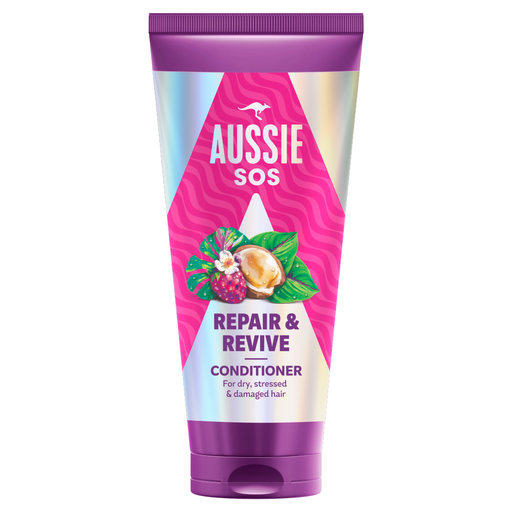
Why This Fits Their Persona: A straightforward option for UK shoppers starting a damage-focused routine and looking for a vegan detangling conditioner in a 200ml format.
Its stated purpose covers dry, stressed and damaged hair rather than relying only on a general shine claim. The product description also identifies it as vegan and intended for detangling.
Vegan formula; includes macadamia seed oil and strawberry fruit extract; designed for softness, hydration and easier combing.
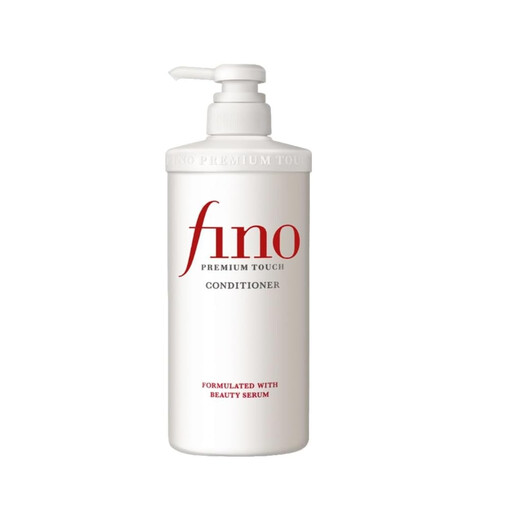
Why This Fits Their Persona: The 550ml size suits shoppers who wash frequently or want a larger-format Japanese hair conditioner for ongoing care of dry, brittle or chemically treated hair.
The product information specifies a lightweight, non-greasy texture and a 2–3 minute application time, helping shoppers assess whether it fits their routine.
550ml format; contains PCA, hydrolysed wheat protein, dimethicone and royal jelly extract; described for frizz control and colour-treated or permed hair.
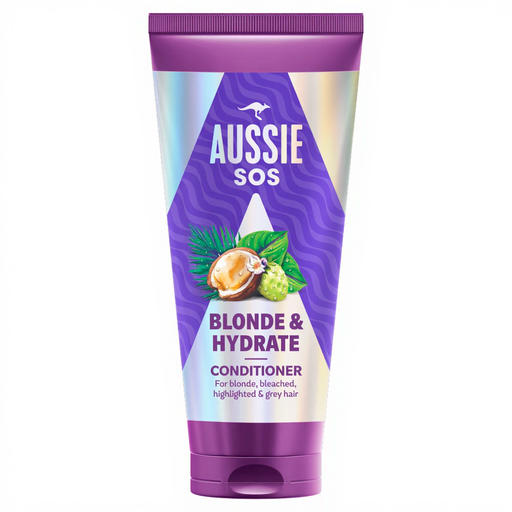
Why This Fits Their Persona: A targeted choice for blonde, bleached, highlighted, silver or grey hair that needs softness and hydration as part of a colour-care routine.
Its intended use clearly identifies light and colour-treated hair, while the care instructions explain that it is designed to accompany a purple shampoo routine.
Extra-hydrating positioning; vegan formula; contains macadamia seed oil and strawberry fruit extract; intended to detangle and soften.
We have compiled a complete, real-time list of products that fully satisfy these strict selection criteria and UK safety regulations.
Most everyday conditioners only need a short contact time. Follow the label: some are designed to be rinsed promptly, while others, such as Fino Hair Conditioner, specify leaving the product for around 2–3 minutes. Leaving a product on longer than instructed does not guarantee better results.
Often, yes, if the formula suits your hair and does not leave it heavy or coated. Fine hair may need a smaller amount, while dry, bleached or porous hair may tolerate more. Alternate with a lighter conditioner if your hair begins to look flat or feels difficult to rinse clean.
Start with a small amount and apply it from the mid-lengths to the ends. Longer or denser hair may need more, whereas short or fine hair generally needs less. The practical measure is whether the lengths feel coated enough to detangle but rinse clean without residue.