
24/7 Customer Support

Free returns

Same-day & Next-day Delivery

Quality Guaranteed

Unlock Your Welcome Offers: FREE Delivery | Up to 80% OFF | Free 30-day JoyPlus trial
Download the APP
Choosing a hair conditioner can seem straightforward until a product leaves fine hair flat, curls difficult to define or colour-treated hair looking dull. The main challenge is matching the formula to your hair’s condition rather than relying on phrases such as “repair”, “natural” or “salon quality”.
This guide explains the specifications worth checking, common buying traps and a selection of conditioners available to UK shoppers. Whether you need a damaged hair conditioner, dry hair conditioner, bond repair conditioner or a lightweight daily formula, the right choice depends on texture, processing history and how you use your haircare products.
Silicones, conditioning agents and oils can make hair feel smoother and easier to comb after washing. That is useful, but it does not necessarily mean that structural damage has been repaired. If your hair is brittle after bleaching or frequent heat styling, look for a formula clearly designed for strengthening or bond-focused care and check whether it is intended to be used with a matching treatment routine.
A high natural-origin percentage does not automatically mean a conditioner will suit fine, oily or sensitive hair. Plant oils and shea butter can be helpful for dry or curly hair, but may feel too rich for hair that becomes weighed down easily. Also check the full ingredient list, as naturally derived fragrance components can still be unsuitable for some users.
A 500ml bottle may appear better value than a 150ml bottle, but usage varies considerably. Thick, long or highly textured hair uses more product per wash, while a concentrated formula may require only a small amount. Compare the formula, recommended application and size together rather than choosing solely by millilitres.
For colour-treated hair, choose a colour-protecting conditioner designed to maintain softness and manageability without making hair feel coated. Ingredients such as argan oil, avocado oil, panthenol, hydrolysed proteins and silicone-based conditioning agents can each serve different purposes.
If detangling is your priority, look for conditioning ingredients such as behentrimonium chloride, cetrimonium chloride or amodimethicone in the INCI list. These do not guarantee a particular result for everyone, but they are commonly used to improve combability and reduce friction.
Cosmetic products sold in Great Britain should provide key information such as ingredients using recognised INCI names, net contents, precautions and responsible-person details. Check the packaging for the latest information, including batch details and the period-after-opening symbol where applicable.
Use conditioner only as directed, avoid contact with the eyes and stop using it if irritation develops. A vegan hair conditioner claim concerns the absence of animal-derived ingredients or by-products; it is separate from claims about natural origin, biodegradability or recyclable packaging.
The following products are matched to different shopping priorities rather than ranked against one another.
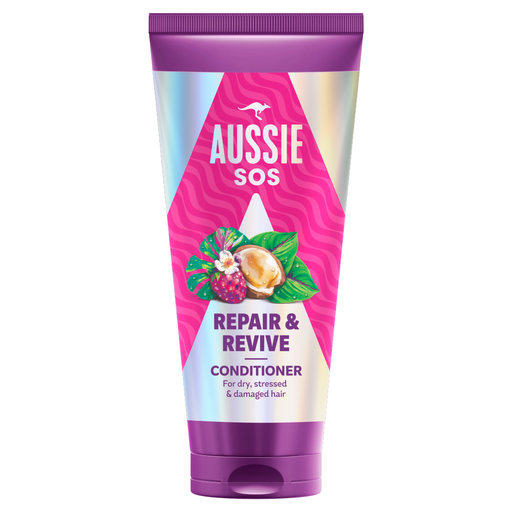
Why This Fits Their Persona: A practical starting point for dry, stressed hair and shoppers who want a manageable everyday routine without moving straight to a large multi-step system.
The label identifies it as a detangling, hydrating conditioner for dry and damaged hair, rather than relying only on a vague shine claim.
200ml size; vegan formula; includes macadamia seed oil and is designed for use on mid-lengths and ends.
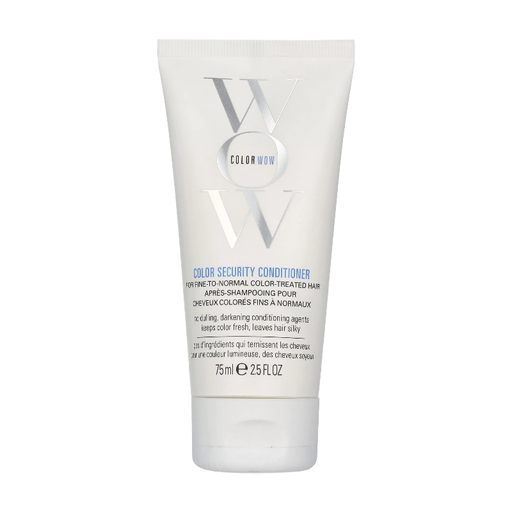
Why This Fits Their Persona: Suitable for fine to normal, colour-treated hair where lightweight hydration, detangling and a compact size are important.
Its product information specifies a lightweight formula for colour-treated hair, helping shoppers avoid choosing a rich conditioner intended for thicker hair.
75ml format; contains argan and avocado oils; includes hydrolysed rice protein and keratin in the listed ingredients.
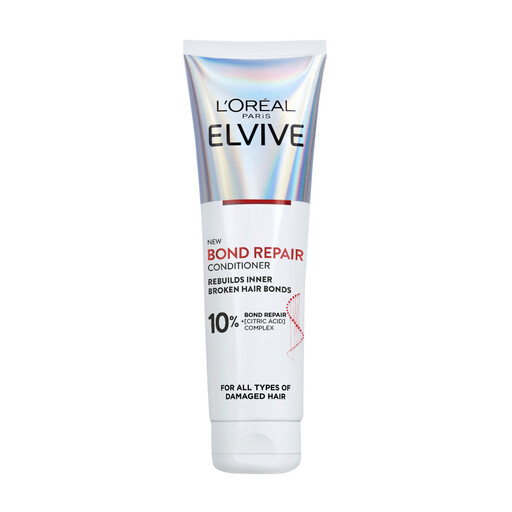
Why This Fits Their Persona: A targeted option for hair affected by bleaching, heat styling, brushing or other repeated stress, particularly when a structured routine is acceptable.
The product specifies a three-minute application and identifies a Citric Acid Complex, giving clearer usage guidance than a generic “repair” label.
150ml bottle; smoothing and detangling formula; positioned as the third step in a bond repair routine.
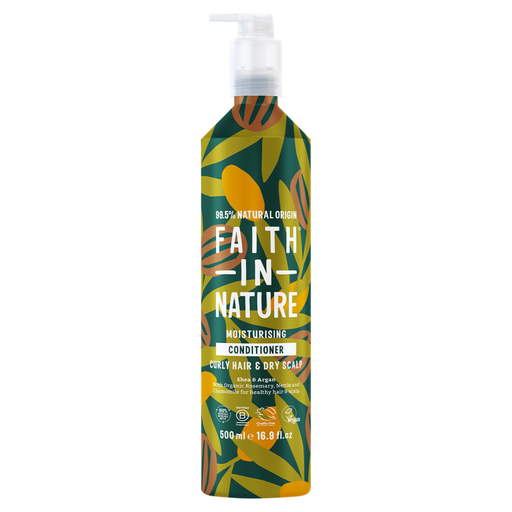
Why This Fits Their Persona: A larger-format choice for regular household use, particularly for dry, curly or textured hair and shoppers seeking vegan and refillable packaging options.
The product information separates its vegan, natural-origin and biodegradable attributes, so shoppers can assess each sustainability detail individually.
500ml capacity; contains shea butter and argan oil; listed as suitable for vegans with refillable packaging.
We have compiled a complete, real-time list of products that fully satisfy these strict selection criteria and UK safety regulations.
Most rinse-off conditioners are designed for use after shampooing, but frequency depends on your hair type and washing routine. Dry, curly or damaged hair may benefit from conditioning at every wash, while fine hair may need a smaller amount focused only on the ends.
A 150ml to 250ml bottle may last several weeks or longer depending on hair length, thickness and washing frequency. A 385ml or 500ml bottle can be more practical for frequent use, but only if the formula suits your hair. Follow the period-after-opening guidance on the packaging, commonly 12 months where stated.
Price does not guarantee suitability. Compare the product’s intended hair type, size, ingredients, application time and specific features. A lightweight colour-protecting conditioner may be more appropriate for fine dyed hair than a richer formula at a higher price, while thick curls may need the additional slip offered by oils or shea butter.