
24/7 Customer Support

Free returns

Same-day & Next-day Delivery

Quality Guaranteed

Unlock Your Welcome Offers: FREE Delivery | Up to 80% OFF | Free 30-day JoyPlus trial
Download the APP
Dry ends, brittle lengths and frizz can make even a carefully styled look feel unfinished. A weekly deep conditioning hair mask may improve softness, shine and manageability, but choosing one is not as simple as picking the product with the biggest promise on the label.
The most suitable formula depends on your hair’s condition, thickness, styling routine and colour treatment. This guide explains the main buying pitfalls, the specifications worth checking and our top recommendations for different UK haircare needs.
Many masks contain conditioning agents such as silicones, oils, fatty alcohols or film-forming polymers. These can make hair feel smoother immediately, which is useful, but a soft finish does not necessarily mean the underlying damage has been reversed.
Look for a product that matches your goal. A moisturising hair mask can improve dry-feeling hair, while a repairing hair mask may include proteins, amino acids or bond-focused ingredients aimed at improving the feel and resilience of processed strands.
A thick, buttery formula may suit coarse or highly porous hair, but it can leave fine hair flat or greasy-looking. Conversely, a lightweight mask may not provide enough conditioning for dense, curly or heavily bleached lengths.
“Suitable for all hair types” should therefore be treated as a starting point, not a guarantee of the same finish for everyone. Consider whether the product is described as lightweight, rich, volumising or smoothing.
A 400ml tub may cost less per millilitre, but value depends on how much you need per use and how often you apply it. A concentrated product used mainly on the ends may last longer than a larger, less concentrated formula. Also check whether a multi-pack fits your routine and storage space before buying.
For a hair mask for dry hair, ingredients such as glycerin, plant oils, butters and conditioning agents can support a softer, more flexible feel. Hair that is brittle after bleaching, colouring or heat styling may benefit from a formula containing hydrolysed proteins, amino acids or specialised conditioning technologies.
If your priority is an anti-frizz hair treatment, check whether the product is rinse-off or leave-in. Rinse-off masks condition the fibre during washing, while heat-activated treatments such as smoothing sprays are designed to create a surface film that helps resist humidity.
Fine or easily weighed-down hair may be better suited to a lightweight treatment with a short processing time. Medium, thick, coarse and curly hair can often accommodate richer formulas, particularly when dryness and tangling are persistent.
Apply most masks from the mid-lengths to the ends, rather than directly to the scalp. This reduces the chance of a heavy root area and places the product where mechanical and chemical damage is usually most visible.
If you colour your hair, look for a clearly stated colour-safe hair mask. This does not mean every product will suit every colour service, so follow the packaging instructions and your stylist’s advice.
Those seeking a vegan hair mask should check for an explicit vegan statement rather than assuming that plant-derived ingredients make a formula vegan. Ingredient lists and packaging can change, so review the current product information before purchase. If you have fragrance sensitivities or known allergies, read the full ingredients list carefully.
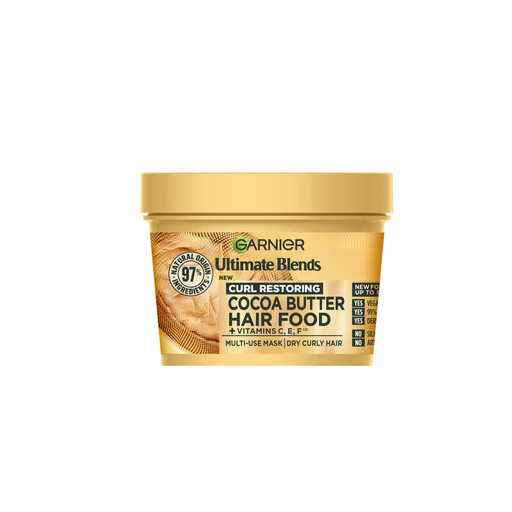
Why This Fits Their Persona: The 400ml size and three-use format make it practical for shoppers starting a weekly routine, especially those with dry or curly hair.
Its label clearly identifies a 3-in-1 pre-shampoo, conditioner and mask format, so buyers can choose how much conditioning they need.
100% vegan formula, 97% natural-origin ingredients and cocoa butter; suitable for use as a rinse-out or small leave-in treatment.
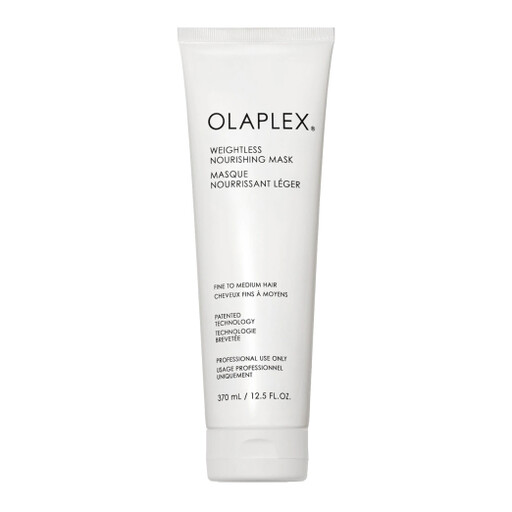
Why This Fits Their Persona: Fine to medium-haired shoppers wanting lightweight hydration, added body and a colour-safe treatment may prefer this larger format.
The formula is described as lightweight and intended to hydrate without weighing hair down, addressing the risk of rich masks flattening finer lengths.
Vegan and colour-safe; includes glycerin, lactic acid, panthenol and conditioning agents, with a stated 3–5 minute processing time.
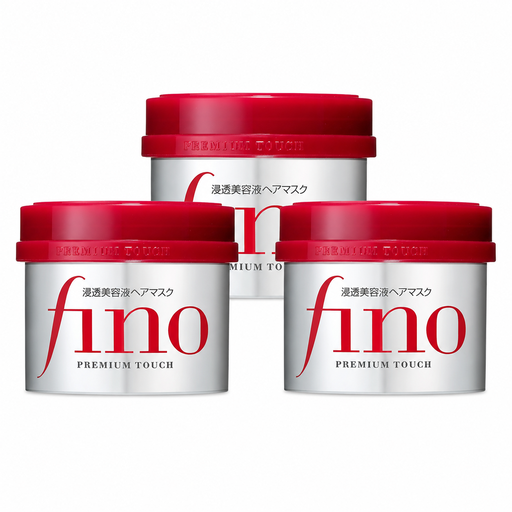
Why This Fits Their Persona: A three-pack suits regular users managing dry, brittle or chemically treated hair and wanting a substantial home supply.
The listing states the total quantity clearly: three 230g tubs, or 690g, making the pack size easier to compare with single tubs.
Designed for weekly use; contains squalane, hydrolysed wheat protein, royal jelly extract and tocopherol.
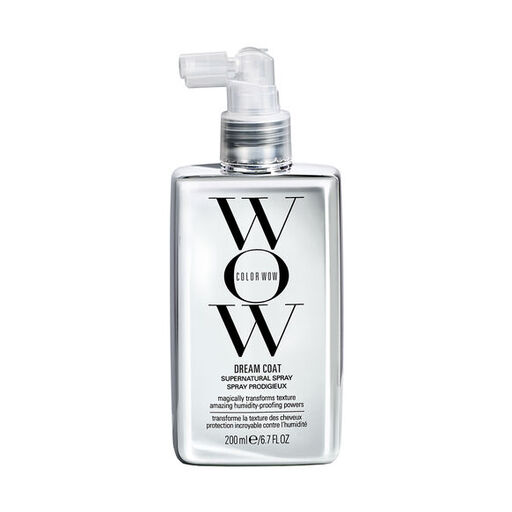
Why This Fits Their Persona: Useful for shoppers whose main concern is humidity-related puffiness, flyaways and frizz rather than intensive rinse-off nourishment.
It is a leave-in, heat-activated treatment rather than a conventional hair mask, so the application method is clear: spray, section and blow-dry with tension.
Lightweight spray format; suitable for colour-treated and chemically treated hair, with results described as lasting through multiple shampoos.
We have compiled a complete, real-time list of products that fully satisfy these strict selection criteria and UK safety regulations.
Avoid applying several heavy treatments at once. Alternate a moisturising mask with a protein-containing or smoothing product if your hair feels coated, stiff or difficult to style.
Once a week is a sensible starting point for most people. Very dry, chemically treated or heat-styled hair may need more regular conditioning, but follow the individual product instructions. Overuse can make fine hair feel limp or leave some hair types feeling coated.
Many are labelled colour-safe, including selected products in this guide. However, colour retention depends on the wider routine, washing frequency and the type of colour service. Check the product label and avoid assuming that every repairing hair mask is suitable for freshly coloured or chemically treated hair.
A mask can temporarily smooth the appearance and feel of split ends, helping hair look neater and easier to manage. It cannot permanently fuse a split end back together. Regular trims, heat protection and gentler detangling remain important alongside an intensive hair repair treatment.