
24/7 Customer Support

Free returns

Same-day & Next-day Delivery

Quality Guaranteed

Unlock Your Welcome Offers: FREE Delivery | Up to 80% OFF | Free 30-day JoyPlus trial
Download the APP
Dry ends, brittle lengths, colour-treated hair and persistent frizz can make ordinary conditioner feel inadequate. However, choosing among hair repair treatments is not simply a matter of selecting the product with the longest claims on the label. The right option depends on your hair’s condition, styling routine and the type of finish you want.
As the Joybuy Product Recommendation Officer, I focus on practical product details rather than marketing language. Before buying a damaged hair treatment, consider these common pitfalls.
A conditioner, serum or hair repair mask can improve softness, detangling and shine by coating or conditioning the hair fibre. It cannot permanently reverse split ends or restore hair that has already broken. Products described as “repairing” should therefore be judged by practical benefits such as easier combing, reduced roughness and improved manageability.
Oils, butters and silicone-based conditioners may help dry, thick or curly hair feel smoother. On fine or easily weighed-down hair, the same type of formula can leave strands flat or greasy. Check whether the product is designed as a rinse-out treatment, leave-in hair treatment or occasional intensive mask.
Some anti-frizz hair treatments require heat activation, while others need several minutes of contact time or overnight use. A product that does not suit your routine may be left unused in the bathroom. Always check how much time, heat or rinsing the formula requires.
Match the format to the main problem:
For a dry hair mask, ingredients such as glycerin, aloe vera, plant oils, fatty alcohols and conditioning agents may support a softer feel. Protein ingredients, including hydrolysed keratin or wheat protein, can be useful in formulas intended for damaged or over-processed hair, although too much protein may not suit every hair type.
Silicones and film-forming ingredients are not automatically a drawback. They can improve slip, reduce friction and help create a smoother finish. If you prefer a silicone-free formula, check the full ingredient list rather than relying on front-of-pack wording.
A large tub may appear economical, but a thick or curly hair routine can use considerably more product per application. Compare the net content with the recommended frequency:
UK shoppers should also check the packaging for the latest ingredients, storage information and period-after-opening guidance. For colour products, follow the instructions carefully and complete a patch test where required.
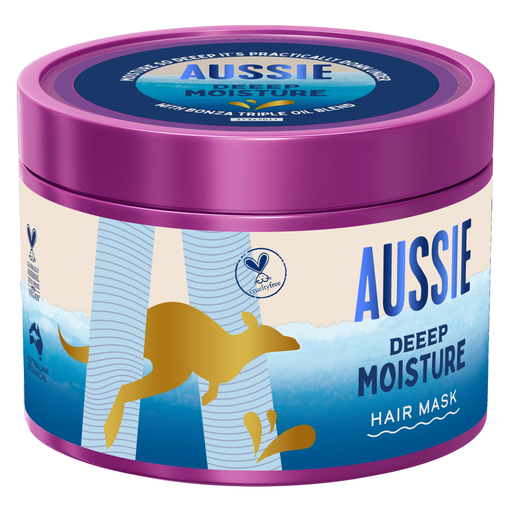
Why This Fits Their Persona: The 300ml format and multi-use design suit shoppers building a simple routine for dry, thick or curly hair without buying separate products for every step.
Its instructions allow use as a deep conditioner, a shorter treatment or a longer leave-in mask, helping you adjust the amount and frequency instead of overloading hair.
Contains jojoba, avocado and macadamia oils; vegan formula and 300ml net content.
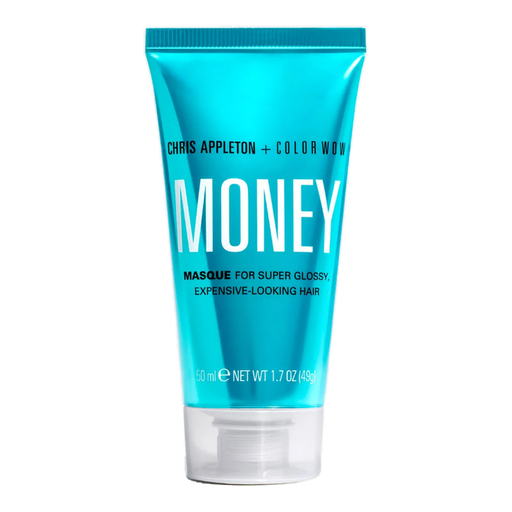
Why This Fits Their Persona: A smaller treatment format suits shoppers who want to trial an intensive hair repair mask for bleached, colour-treated or over-processed lengths before committing to a larger product.
The instructions specify a 5–10 minute application and weekly or as-needed use, making the treatment schedule clear rather than vague.
Includes hydrolysed keratin, panthenol and glycerin; listed as suitable for colour-treated and chemically processed hair.
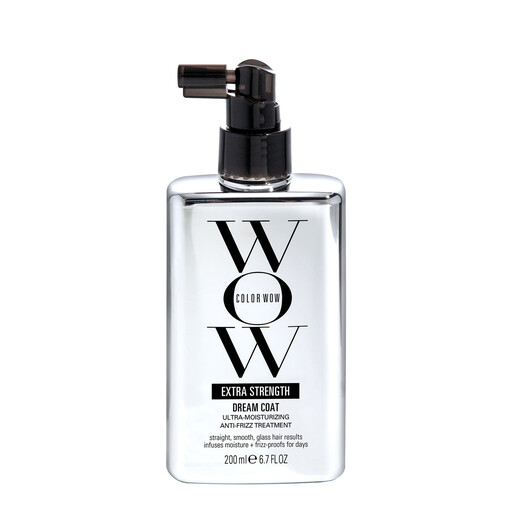
Why This Fits Their Persona: This option is designed for coarse, curly or highly frizz-prone hair, particularly useful during humid or damp UK weather when moisture affects styling.
Unlike a standard leave-in serum, it clearly requires blow-drying to activate the formula, so buyers can decide whether the styling step fits their routine.
Heat-activated spray format; intended to provide a humidity-resistant, lightweight finish without rinsing.
We have compiled a complete, real-time list of products that fully satisfy these strict selection criteria and UK safety regulations.
For regular washing, begin with a conditioner such as the Aussie SOS Repair & Revive Conditioner, applying it mainly to mid-lengths and ends. Add a dry hair mask once weekly if the hair remains rough or brittle.
For styling-related frizz, use a small amount of a serum. The John Frieda Frizz Ease Hydro Sealer Moisture Protect Serum is listed with heat protection up to 230°C, but heat tools should still be used at the lowest practical temperature.
For a protein-focused routine, the OGX Bond Pro Repair Serum is a leave-in product intended for use once or twice weekly. Avoid layering several intensive treatments at once; introduce one product at a time so you can identify how your hair responds.
A conditioner can be used after regular washing, while a deep conditioning hair mask is commonly used weekly or when hair feels particularly dry. Leave-in products should be applied sparingly to the lengths and ends. Follow the individual product instructions rather than increasing the frequency automatically.
They can temporarily smooth the appearance and improve manageability, but they cannot permanently join split ends. Trimming damaged ends, reducing high-heat styling and using a suitable conditioner can help limit further roughness.
Choose a mask when the hair feels dry, coarse or brittle throughout the lengths. Choose an anti-frizz serum or spray when the main concern is surface frizz, fly-aways, humidity or heat styling. Curly hair may benefit from both, provided the products are not applied too heavily.