
24/7 Customer Support

Free returns

Same-day & Next-day Delivery

Quality Guaranteed

Unlock Your Welcome Offers: FREE Delivery | Up to 80% OFF | Free 30-day JoyPlus trial
Download the APP
Finding the right hair shampoo is less about choosing the most recognisable bottle and more about matching the formula to your scalp, hair texture and styling routine. UK shoppers often move between products for dryness, frizz, colour-treated lengths or fine roots, yet attractive packaging and broad claims can make comparison difficult.
The product information and ingredient list usually reveal more than phrases such as “salon quality” or “professional care”. Below are the key pitfalls to avoid, followed by practical recommendations for different shopping profiles.
A shampoo is rinsed away, so it should not be judged like a leave-in treatment or mask. Ingredients such as panthenol, glycerin, oils, peptides, proteins and conditioning polymers may support a smoother-feeling finish, but the result depends on the rest of your routine and the condition of your hair.
If you are comparing the best shampoo for damaged hair, check whether the formula is also suitable for your texture. A rich formula may feel comfortable on dry, coarse hair but leave fine hair lacking lift.
“Sulphate-free” or sulphate-free shampoo formulas avoid certain cleansing agents, but gentleness still depends on the complete formula, fragrance and your individual scalp. A product can be sulphate-free while using other effective surfactants, such as olefin sulfonate.
Likewise, a conventional cleanser is not automatically unsuitable. The practical question is whether your scalp feels clean without persistent tightness, flaking or irritation.
A colour-safe shampoo may be designed to cleanse without unnecessarily accelerating fade, while a toning shampoo uses colourants to adjust unwanted warmth. These are different purposes.
For example, a purple shampoo for grey hair is intended to counter yellow or warm-looking tones, while a shampoo for brunette hair may focus on shine and colour vibrancy without depositing colour. Read the ingredients and instructions rather than relying only on the shade shown on the label.
Look at the first several ingredients. Common surfactants include sodium laureth sulfate, sodium C14-16 olefin sulfonate, cocamidopropyl betaine, glucosides and isethionates. The combination matters more than one ingredient viewed in isolation.
Glycerin and panthenol are common moisture-supporting ingredients. Oils, proteins, peptides and cationic conditioning agents may affect softness, manageability and the feel of damaged lengths.
Those seeking shampoo for dry hair should compare the conditioning ingredients and plan to use a conditioner on mid-lengths and ends. For an anti-frizz shampoo, look for ingredients and product descriptions focused on smoothing, humidity management or detangling, while remembering that a rinse-off product cannot replace styling protection.
Check the full ingredient list if you require a silicone-free shampoo, vegan shampoo or fragrance-conscious option. “Natural origin” does not necessarily mean fragrance-free, hypoallergenic or suitable for every scalp.
For shampoo for blonde hair, brightening formulas may gradually enhance blonde tones. For brunette hair, look for colour-vibrancy or shine features. Those with fine hair may prefer a lightweight volumising shampoo for fine hair, whereas curls generally benefit from moisture-conscious cleansing and reduced friction.
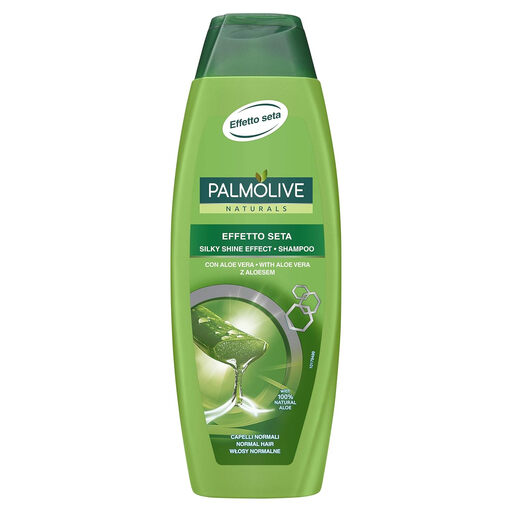
Why This Fits Their Persona: A 350ml everyday option for normal hair, suitable for shoppers wanting a straightforward wash without committing to a specialist routine.
Its positioning is clear: normal-hair cleansing and shine rather than an exaggerated repair promise.
Contains aloe vera, olive extract and hydrolysed silk; the 350ml size suits regular household use.
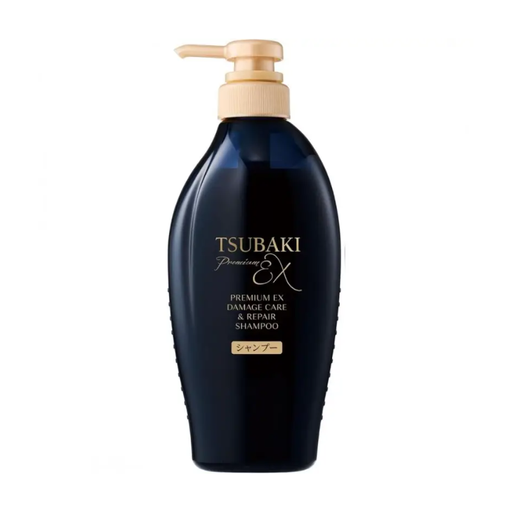
Why This Fits Their Persona: A 450ml option for shoppers who want a richer damage-care routine for dry, chemically treated or heat-styled hair.
The ingredient list lets you assess its cleansing base, conditioning agents, camellia seed oil, royal jelly extract and soy extract.
Designed around smoothing and moisture care; includes dimethicone and amodimethicone for a conditioned hair feel.
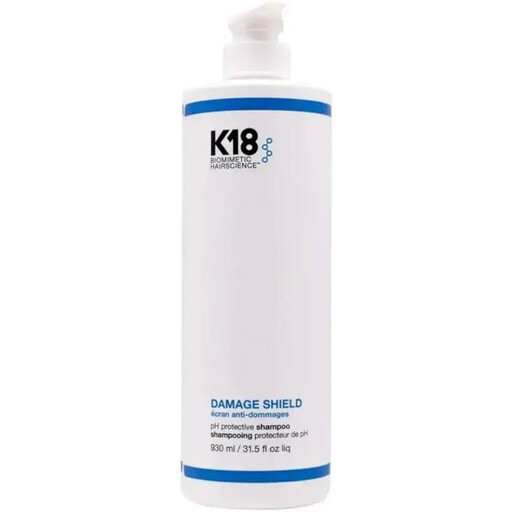
Why This Fits Their Persona: The large 930ml format suits busy households, frequent washers and salon-style routines where replacing bottles regularly is inconvenient.
The stated focus is mild cleansing and ongoing maintenance, rather than positioning a rinse-off shampoo as a standalone intensive treatment.
Lists sh-Oligopeptide-78, panthenol and glycerin; the formula is intended for daily cleansing and damaged-hair maintenance.
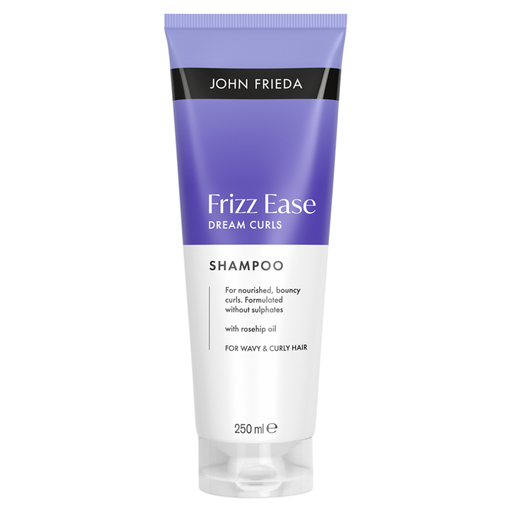
Why This Fits Their Persona: Suits shoppers with wavy or curly hair who prioritise moisture-conscious cleansing, detangling and frizz management in damp UK weather.
It clearly identifies curly and wavy hair, is sulphate-free and colour-safe, so the intended use is easier to assess.
Includes rosehip oil and panthenol; the listed formula is vegan and free from SLS/SLES.
We have compiled a complete, real-time list of products that fully satisfy these strict selection criteria and UK safety regulations.
There is no universal schedule. Oily scalps, exercise and styling-product use may require more frequent washing, while dry, curly or textured hair may be washed less often. Choose a formula that leaves the scalp comfortable and the lengths manageable.
A salon shampoo may offer a particular texture, ingredient profile or larger professional-style format, but price alone does not establish suitability. Compare the cleansing system, size, hair-type guidance and ingredients with your personal needs.