Parents planning children’s snacks
The choice is about more than sugar. The NHS recommends water and milk as drinks for children, and its guidance for babies and young children cautions against fizzy drinks because they are acidic.


For children’s regular half term snack drinks, choose plain still water or milk: the NHS identifies water and milk as the preferred drinks for children, while the British Orthodontic Society warns that even sugar-free fizzy drinks can damage teeth. Adults who want fizz without sugar from the drink can consider plain sparkling water; flavoured zero-added-sugar drinks need a separate check for juice, sweeteners and acids.
The choice is about more than sugar. The NHS recommends water and milk as drinks for children, and its guidance for babies and young children cautions against fizzy drinks because they are acidic.
If you want fizz without added sugar, check for an unflavoured sparkling water rather than assuming every drink in the sparkling-water aisle has the same ingredients. The exact pack label establishes what is in the bottle.
A zero-added-sugar claim does not make a flavoured drink equivalent to plain water. Check its juice, sweeteners and acids, particularly if the drink is being considered for a child’s regular snacks.
Start with who will drink it and how often, then compare the ingredients, sugars figure and pack format of the exact product.
Choose when: Plain still water is the everyday option, with milk another drink identified by the NHS for children.
Bear in mind: Plain sparkling water has no added sugar when its ingredients are only water and carbon dioxide, but the British Orthodontic Society cautions that fizzy water is acidic.
Choose when: An adult wants fizz without sugar from the drink and the selected sparkling water’s ingredients and nutrition panel confirm a plain variant.
Bear in mind: That choice does not make fizzy water the default regular drink for young children.
Choose when: An adult wants a particular flavour and has checked the full label rather than relying on a zero-added-sugar claim.
Bear in mind: Sanpellegrino’s Limonata Zero Added Sugar, for example, contains lemon juice and sweeteners, so it is not plain sparkling water.
| Priority | What to check | Your needs |
|---|---|---|
| Sugar and ingredients | Read the full ingredient list and the sugars figure per 100ml on the exact pack. Distinguish plain water and carbon dioxide from drinks with juice, sugar or sweeteners. | I’d like a fizzy drink without sugar from the drink itself, so I need to check the selected variant rather than the brand name alone. |
| Children’s regular drinks | Consider the child’s age and how often the drink will be served. The NHS identifies water and milk as preferred drinks for children; the British Orthodontic Society cautions that sugar-free fizzy water is acidic. | For frequent snacks and between-meal drinks, I want plain still water available instead of treating sugar-free fizz as tooth-neutral. |
| Flavoured and zero-added-sugar drinks | Check for fruit juice, sweeteners and acids as well as sugars per 100ml. A zero-added-sugar claim does not say that the ingredients are only water. | If I choose a flavoured drink, I want to know how it differs from plain sparkling water before putting it with the family snacks. |
| Pack format | Check the bottle volume, number of bottles and exact variant. A multipack of smaller bottles serves a different carrying need from larger bottles for sharing. | For a snack table I may want larger bottles; for an outing, individual bottles may be easier to carry. |
The British Orthodontic Society warns that even sugar-free fizzy drinks, including fizzy water, are acidic and can damage teeth.
For a child’s regular snack drink, choose plain still water rather than using a sugar-free claim as the deciding factor.
Flavoured products can have different ingredients. Marks & Spencer lists apple juice concentrate and sugar in its Sparkling British Apple Spring Water, with 7.6g sugars per 100g.
Read the ingredients and nutrition panel for the exact flavour. If you intend to buy plain sparkling water, check that the chosen variant is plain.
That wording does not rule out juice, naturally occurring sugars, sweeteners or acids. Sanpellegrino Limonata Zero Added Sugar contains lemon juice from concentrate and sweeteners.
Check the full label, especially when comparing a flavoured drink with plain water for family snacks.
These examples show why the exact variant matters; a brand’s plain water and flavoured drinks should not be treated as interchangeable.
Highland Spring lists plain sparkling water in several bottle and multipack formats.
The plain sparkling natural mineral water and the flavoured Sanpellegrino drinks are different products.
Perrier describes its carbonated mineral water as sugar-free and calorie-free on its international website.
Tesco lists own-label plain sparkling mineral water alongside flavoured sparkling-water products.
Sainsbury’s lists a British Bottled Spring Sparkling Water in a 2L bottle.
M&S lists plain sparkling mineral water as well as flavoured sparkling products.
These sparkling-water packs are options to consider when an adult wants a plain fizzy drink or a pack for sharing. For children’s regular half term snacks, the NHS guidance favouring water and milk and the dental caution about fizz still apply.
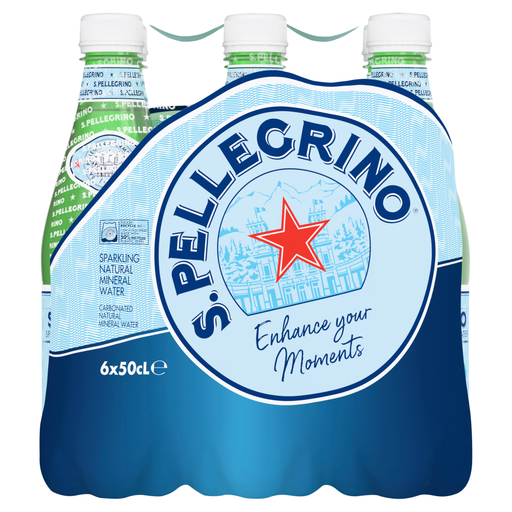 No image available
Six individual bottles for an adult who wants plain sparkling water when out or at home. The Joybuy listing names natural mineral water and carbon dioxide as ingredients and lists 0g sugars per 100ml. Fizz does not make it a routine drink choice for young children.
 No image available
The six 1L bottles suit a household choosing a larger plain sparkling-water pack for adults. Check the ingredients and sugars figure on this exact pack rather than carrying details over from the 500ml listing; fizzy water is not the default regular drink for young children.
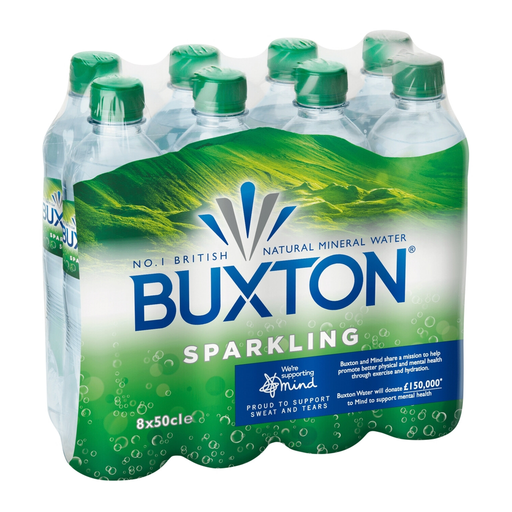 No image available
Eight 500ml bottles offer an individual-bottle format for an adult outing or household snacks. Check the exact pack’s ingredients and sugars per 100ml if avoiding flavoured or sweetened drinks; do not treat fizz as a child’s routine drink on the strength of a sugar check alone.
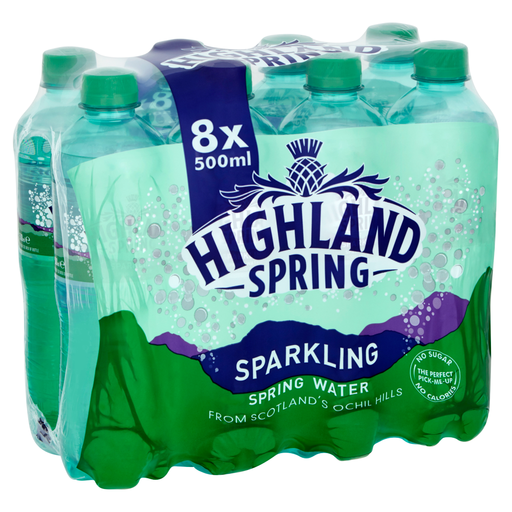 No image available
This eight-bottle pack provides 500ml portions for adults who prefer an individual bottle. Check the selected pack’s ingredients and sugars per 100ml for your dietary comparison. For children’s frequent snack drinks, choose plain still water instead of relying on the absence of flavouring alone.
 No image available
Six 1L bottles provide a larger format for adults sharing sparkling water at home. The Joybuy listing names natural sparkling mineral water as the ingredient; check the exact pack’s nutrition panel if a sugars-per-100ml figure matters to your choice. The dental caution about frequent fizzy drinks for children still applies.
Choose plain still water for children’s regular snacks instead. The NHS identifies water and milk as preferred drinks for children, while the British Orthodontic Society warns that even sugar-free fizzy water is acidic and can damage teeth.
No. Sanpellegrino Limonata Zero Added Sugar, for example, contains lemon juice from concentrate and sweeteners. Read the ingredients and nutrition panel of the exact flavour rather than treating the front-of-pack claim as a description of the whole drink.
Check the ingredients first to distinguish plain water and carbon dioxide from products containing juice, sugar, sweeteners or acids. Then read sugars per 100ml on the exact pack and confirm that its bottle size and variant match the drink you intended to buy.
Yes. Marks & Spencer lists apple juice concentrate and sugar in its Sparkling British Apple Spring Water, with 7.6g sugars per 100g. A flavoured product should therefore be checked individually rather than assumed to have the composition of plain sparkling water.