Hosts serving guests with different preferences
A cordial station lets you prepare still or sparkling drinks and adjust dilution for each serve. It needs water, cups and someone to manage the mixing.


Choose bottled cordial if you can set up water, cups and a place to mix drinks, and want to adjust each serve. Choose ready-to-drink multipack cans if guests will help themselves to individual portions with little preparation. Cordial is a concentrate, not a canned multipack: check the exact pack size and the ingredients and allergen information before buying for your guests.
A cordial station lets you prepare still or sparkling drinks and adjust dilution for each serve. It needs water, cups and someone to manage the mixing.
Ready-to-drink cans give guests individual portions without a jug, dispenser or dilution step. Check the number and size of cans against the drinks you plan to serve.
Keep the packaging for the exact flavour and pack you serve. Read its current ingredient and allergen information rather than relying on a listing for another variant.
Decide how guests will get their drinks first. Then compare pack quantities, preparation instructions and labels for the format you choose.
Choose it when: You can run a drinks table and want to prepare still or sparkling serves to order.
Allow for: Water, cups and mixing time; dilution and storage instructions depend on the bottle.
Choose them when: Guests need individual drinks they can take without a mixing station.
Allow for: Fixed portion sizes and flavours, with no control over how the drink was diluted.
| Priority | What to check | Your needs |
|---|---|---|
| Serving format | Check whether the product is a cordial concentrate or ready-to-drink cans. For cans, check both the can count and volume; Tesco Groceries lists examples of 10 × 250 ml J2O cans and 8 × 330 ml Fanta cans. | I want guests to take a drink themselves, or I have time and space to mix each one. |
| Preparation | For cordial, follow the dilution instructions on the chosen bottle and plan for water and serving equipment. Belvoir Farm specifies 1:10 dilution for its Elderflower Cordial; that ratio does not apply to every cordial. | Being able to adjust a serve matters to me more than avoiding preparation. |
| Nutrition labels | Compare figures for the same prepared volume. A cordial value stated after dilution and a ready-to-drink can value are different bases; check each product’s serving and preparation instructions. | I want to compare drinks without treating undiluted concentrate as a finished serving. |
| Ingredients and storage | Read the ingredient and allergen information on the exact pack. For an opened cordial bottle, follow its storage instructions; Belvoir Farm says to refrigerate its Elderflower Cordial and use it within 3 weeks of opening. | Someone I’m serving needs an ingredient check, and I may have cordial left after the party. |
Cordial comes as a concentrate to prepare, while ready-to-drink cans provide individual portions.
Decide whether guests will help themselves or someone will mix drinks before choosing flavours.
A cordial station also calls for water, cups and mixing equipment, plus time to prepare serves.
Nutrition values for diluted cordial and ready-to-drink cans can describe different serving bases.
Use each cordial’s stated dilution instructions, then compare nutrition for the same volume of prepared drink.
Ingredient and allergen information belongs to the particular product and flavour being served; an online listing may not match its current packaging.
Check the actual pack and keep it available when guests ask about ingredients.
These bottled cordial examples are for a mixing station, not substitutes for individually portioned cans.
Robinsons lists Fruit Cordials including Elderflower and Lime & Mint in 500 ml glass bottles.
Belvoir Farm’s Elderflower Cordial is a 500 ml bottle with product-specific dilution and after-opening instructions.
Bottlegreen describes its 500 ml Elderflower Cordial as a concentrate to dilute with still or sparkling water.
These canned multipacks suit the self-service side of the party decision. Check the number of guests and the exact pack label when choosing between them; they are not cordial concentrates.
 No image available
A ready-to-drink cola multipack for individual party servings. The pack contains 24 cans of 330 ml each; check the label for ingredients and caffeine when planning drinks for guests.
 No image available
An apple-flavoured canned option for individual servings. This pack has 24 cans of 330 ml each; check the actual pack’s ingredients and allergen information before serving.
 No image available
A ready-to-drink cola option with 24 individual 330 ml cans. Check the actual pack for ingredients, caffeine and the stated source of phenylalanine before serving it to guests.
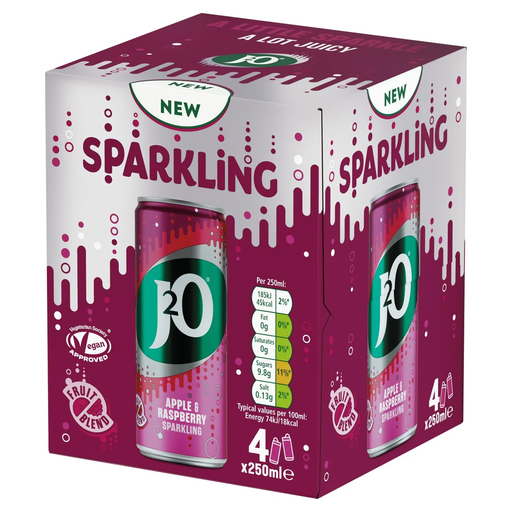 No image available
A four-can ready-to-drink pack if you need fewer individual portions. Each can is 250 ml; check the purchased pack’s ingredients and allergen information before serving.
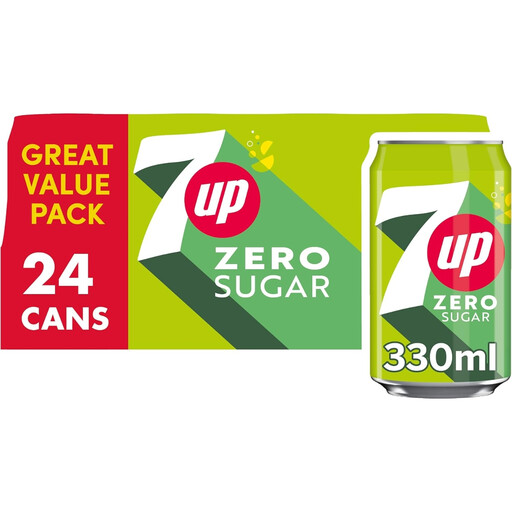 No image available
A lemon-and-lime canned option for self-service, with 24 cans of 330 ml each. Check the pack’s ingredients and its stated source of phenylalanine when choosing drinks for guests.
No. The cordial examples here are bottled concentrates to dilute, while the canned multipacks are ready to drink. Pick cordial for a mixing station or cans for individual self-service portions.
Compare values for the same volume of prepared drink, using the cordial’s stated dilution instructions. Belvoir Farm gives information for its Elderflower Cordial diluted 1:10, so an undiluted cordial value should not be treated as equivalent to a ready-to-drink can.
Read the ingredient and allergen information on the exact pack you will serve, and keep that packaging available for guests. Do not assume that a different flavour or an older online listing has the same declaration.
Follow the instructions on the individual bottle. Belvoir Farm says to refrigerate its Elderflower Cordial after opening and use it within 3 weeks; that period is not a rule for every cordial.