Hosts setting up a drinks station
A squash or cordial that permits sparkling-water dilution lets you prepare jugs or offer different flavour strengths. Keep the pack instructions nearby so each drink can be mixed as directed.


Choose squash or cordial with sparkling water if you want to mix a batch and let guests adjust the flavour strength; check that the product permits sparkling-water dilution and follow its instructions. Choose a ready-carbonated drink if serving without mixing matters more. For either format, check the exact drink’s ingredients and nutrition on the stated preparation basis.
The useful distinction for a Halloween party is whether guests will help themselves to a mixed drink or take a drink that is already fizzy.
A squash or cordial that permits sparkling-water dilution lets you prepare jugs or offer different flavour strengths. Keep the pack instructions nearby so each drink can be mixed as directed.
Check sugars, sweeteners and ingredients on each exact flavour. Fruit imagery and a no-added-sugar label do not tell you everything about the prepared drink or its allergens.
Ready-carbonated cans or bottles avoid preparing squash during the party and make individual servings straightforward. Their flavour strength is set by the drink rather than by your dilution.
Choose it when: You want to mix a batch or offer guests a choice of flavour strengths.
Allow for: Sparkling water, serving containers and time to follow the concentrate’s dilution instructions.
Choose them when: You want drinks that can be poured or handed out without mixing.
Allow for: A fixed flavour strength and space to store the cans or bottles you plan to serve.
Decide on the serving format first, then compare labels on the same preparation basis and check the ingredients for your guests.
| Priority | What to check | Your needs |
|---|---|---|
| Mixing a batch | Check that the squash or cordial permits sparkling water, then follow its dilution ratio. Waitrose & Partners lists Rocks Blackcurrant at 1 part juice to 8 parts still or sparkling water. | I want to make several sparkling drinks from a concentrate and let guests choose how strong the flavour tastes. |
| Serving speed | Distinguish concentrate from a drink labelled as already carbonated. Check the pack format and whether you will need jugs or individual cups. | Individual cans would make serving simpler for my party; alternatively, I have time and space to mix drinks in a jug. |
| Sugars and sweeteners | Compare sugars per 100 ml on the label’s stated basis, including any dilution instructions. Read the ingredients for sugar and sweeteners rather than relying on a no-added-sugar claim. | I want to know what will be in the drink as served, not compare a concentrate with a ready-to-drink product as though they were identical. |
| Allergens | Read the current ingredients list for each flavour. GOV.UK explains that regulated allergens in prepacked food and drink must be clearly labelled in that list. | Guests with allergies or intolerances need to be able to check the exact drink I am serving. |
| Leftovers | Check the storage and use-after-opening instructions on the concentrate and sparkling water separately. Consider how many servings the chosen packs will make. | I may have opened bottles left after the party, so I want pack sizes I can use within their label instructions. |
Diluting squash or cordial needs sparkling water to make a fizzy drink; a ready-carbonated drink arrives with the fizz already in it.
Choose the format before planning quantities. If you choose concentrate, check its preparation instructions and have the sparkling water and serving containers you need.
Mixing also takes preparation time and may call for ice, jugs or cups.
A concentrate’s label may describe a diluted drink, while a ready-carbonated drink is consumed as sold. Changing the dilution also changes what goes into each glass.
Follow the stated ratio and compare nutrition using the label’s preparation basis. Check both total sugars and the ingredients if sweeteners matter to your choice.
Ingredients differ between flavours and formats. Sainsbury’s lists barley malt in Vimto Sparkling No Added Sugar 6x330ml, while Marks & Spencer lists sulphites in its Fragrant British Elderflower Cordial.
Check each current pack before serving and keep the ingredient information available to guests who need it.
Concentrate and sparkling water can have different storage instructions once opened, so an unfinished drinks station may leave more than one opened product to manage.
Plan pack sizes around the drinks you expect to prepare, and follow each product’s own refrigeration and use-after-opening directions.
These examples illustrate formats and label details to check; a brand name alone does not establish the ingredients or instructions of every flavour.
A squash option for mixing a fruit-flavoured drink with water; check the instructions on the particular bottle before using sparkling water.
Rocks Blackcurrant Squash is an example with an explicit sparkling-water instruction.
Vimto Sparkling No Added Sugar 6x330ml illustrates the ready-carbonated option, not a squash to dilute.
Tesco lists own-label squash options and plain sparkling mineral water that can be considered separately for a mixing station.
Marks & Spencer describes squash and elderflower cordial options that can be mixed with sparkling water.
These options are for serving a fizzy drink without mixing squash or cordial. They do not offer the adjustable dilution of a concentrate, so compare their pack formats and current labels against your party plans.
 No image available
For guests taking individual ready-fizzy drinks, this lightly sparkling apple juice comes in six 250 ml portions. It is not a squash concentrate for adjusting flavour strength; check the pack’s nutrition information when choosing drinks for your guests.
 No image available
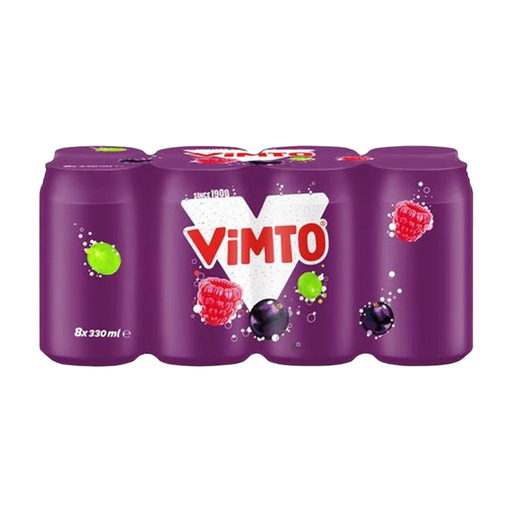
This eight-can pack suits individually portioned serving without mixing a concentrate. Check the current ingredients and nutrition label for this Original variant: it is not the Vimto Sparkling No Added Sugar product discussed in the brand example, and the listed product information flags barley malt for guests with relevant allergies or intolerances.
 No image available
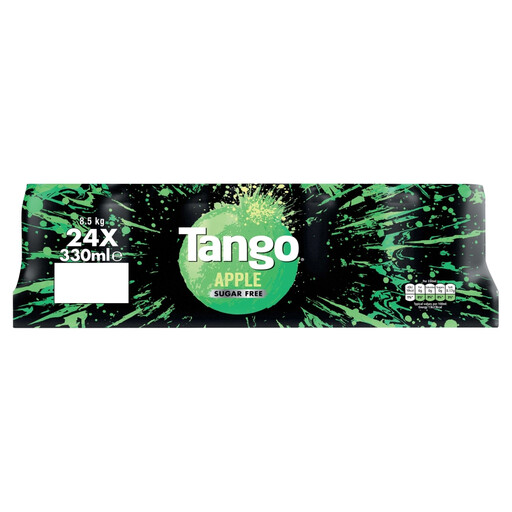
The 24-can format offers individual apple-flavoured drinks for a larger serving plan, without mixing squash. Check the current ingredients and nutrition label if sugars or sweeteners affect your choice; the drink’s flavour strength cannot be set with a concentrate’s dilution instructions.
Not necessarily: diluting squash or cordial needs sparkling water to make a fizzy drink, whereas a ready-carbonated drink is already fizzy. Waitrose & Partners explicitly permits sparkling water for Rocks Blackcurrant Squash; check the directions on any other concentrate you choose.
Follow the ratio on the exact pack. For Rocks Blackcurrant Squash, Waitrose & Partners states 1 part juice to 8 parts still or sparkling water. Mix near serving time if you want to limit how long the finished drink sits in a jug.
No. Check total sugars on the nutrition panel and sweeteners in the ingredients for the particular drink. For example, Sainsbury’s lists Vimto Sparkling No Added Sugar 6x330ml as containing sweeteners and less than 0.5 g sugars per 100 ml.
Check the current ingredients list for every flavour you serve and keep the packaging available. GOV.UK explains that regulated allergens in prepacked food and drink must be clearly labelled in the ingredients list; examples here include barley malt in the cited Vimto sparkling drink and sulphites in the cited M&S elderflower cordial.
Follow each pack’s own storage and use-after-opening instructions. Squash, cordial and sparkling water may have different directions, so check each opened bottle rather than applying one rule to the whole drinks station.