Hosts setting up a self-serve drink
A cordial with a stated sparkling-water dilution gives guests a way to mix individual glasses or lets you prepare a batch. Allow for the sparkling water and serving containers as well as the concentrate.


Choose a cordial labelled for mixing with sparkling water if you want to adjust the strength or make a batch; choose a ready-to-drink sparkling soft drink if you would rather pour without mixing. For either route, match the flavour to your guests, plan the quantity from the dilution instructions or bottle volume, and check ingredients, allergens and storage directions on the product you buy.
A cordial with a stated sparkling-water dilution gives guests a way to mix individual glasses or lets you prepare a batch. Allow for the sparkling water and serving containers as well as the concentrate.
Raspberry with rhubarb or lemon offers a different flavour direction from rose or elderflower. Pick the combination that fits the food you are serving rather than assuming every fruit cordial will taste alike.
Ginger cordial, or ginger with cayenne, offers a more pronounced spicy option. A milder drink alongside it gives guests another choice.
Decide whether you want to mix a concentrate or pour a finished drink, then check flavour, quantity and the exact bottle label.
Choose it when: You want to adjust each pour or make a batch using the product’s dilution instructions.
Bear in mind: Cordial is not fizzy in the bottle; you need to provide sparkling water and follow the opened-bottle storage instructions.
Choose it when: You want guests to pour a finished fizzy drink without mixing concentrate.
Bear in mind: Buy enough ready-made volume for the pours you plan; this format does not offer cordial’s dilution flexibility.
| Priority | What to check | Your needs |
|---|---|---|
| Drink format | Check whether the bottle is concentrated cordial for dilution or a ready-to-drink sparkling soft drink. M&S describes its cordials as suitable for still or sparkling water; Belvoir Farm lists cordials and lightly sparkling drinks as separate ranges. | I would rather set out finished drinks than mix each glass, or I want a concentrate so guests can choose their own strength. |
| Servings | Use the exact product’s ratio and stated yield. Waitrose & Partners suggests 1 part No.1 Ginger Cordial to 4 parts water and says its 500 ml bottle makes 2.5 litres; its listing says sparkling or still water can be used. Belvoir Raspberry & Lemon states 1:10 dilution and 22 servings. | There needs to be enough for the planned pours, including the sparkling water needed to dilute a cordial. Bottle size alone will not tell me the finished quantity. |
| Flavour | Compare the named ingredients and flavour descriptions: M&S lists raspberry, rhubarb and hibiscus in one cordial and ginger with cayenne in another; Waitrose & Partners lists rose and elderflower in the bottlegreen cordial. | A tart-fruity or floral drink might fit the menu, but I would offer another choice if I serve a pronounced ginger-and-cayenne flavour. |
| Sweetness | Read ingredients and nutrition at the stated dilution. Waitrose & Partners lists steviol glycosides from stevia in Belvoir Lemon & Lime No Added Sugar Cordial; ‘no added sugar’ does not mean unsweetened. | If sweetener taste or sugar content matters for the drinks I am serving, I want to compare the exact recipes rather than rely on a flavour name. |
| Label and storage | Check allergens on the physical bottle and follow its refrigeration and after-opening directions. Tesco lists sulphites for Robinsons Crushed Lime & Mint; Waitrose & Partners lists sodium metabisulphite for No.1 Ginger. | Guests may need ingredient information, and an opened bottle may have to be kept chilled and used within its stated period. |
A cordial intended for sparkling water is still a concentrate, not a ready-carbonated drink. M&S describes its cordials as drinks to dilute, while Belvoir Farm lists lightly sparkling drinks separately.
Choose the format before planning the serve: mix cordial with sparkling water, or buy a ready-to-drink sparkling option.
For the cordial route, allow for sparkling water and suitable serving containers.
Labels can specify very different finished quantities. Waitrose & Partners says its 500 ml No.1 Ginger Cordial makes 2.5 litres at the suggested 1:4 dilution; its bottlegreen Rose & Elderflower listing states 30 glasses of 250 ml at 1:14.
Calculate from the ratio or yield on the exact bottle and the size of the pours you intend to serve.
Waitrose & Partners lists steviol glycosides from stevia in Belvoir Lemon & Lime No Added Sugar Cordial. The wording does not mean the finished drink is unsweetened.
Compare ingredients and the nutrition panel at the stated dilution; if flavour is important for a large batch, try a small serving first.
Recipes can change, and the cordial examples include products listing sulphites or metabisulphite. A saved webpage may not describe the bottle being served.
Read each bottle’s label before serving and keep it available when guests ask about ingredients.
These product lines illustrate different flavours and mixing instructions; a brand name alone does not establish how an individual bottle should be served.
Tesco lists Robinsons Crushed Lime & Mint as a 500 ml cordial for dilution with water.
M&S describes its cordial range as suitable for dilution with still or sparkling water, with fruity, floral and spicy flavours.
Waitrose & Partners gives a sparkling-water serving suggestion for its No.1 Ginger Cordial.
Belvoir Farm has both cordials and ready-to-drink lightly sparkling drinks, so check which format you are picking up.
Waitrose & Partners lists bottlegreen Rose & Elderflower Cordial as suitable for mixing with sparkling water.
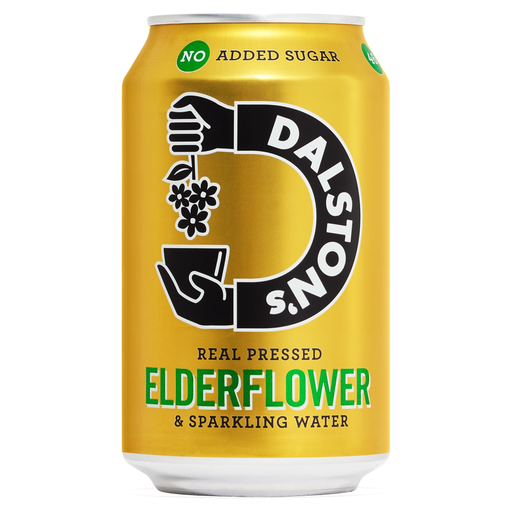
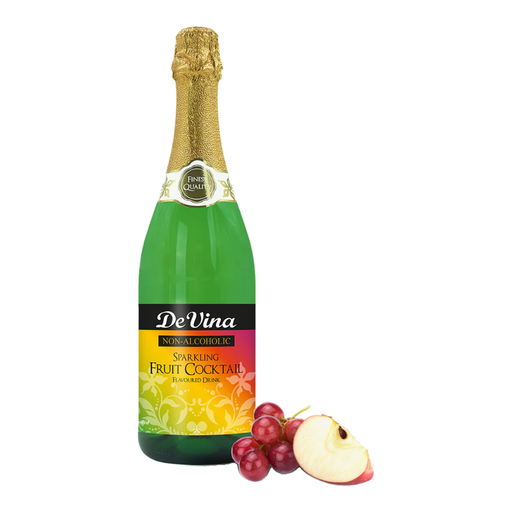
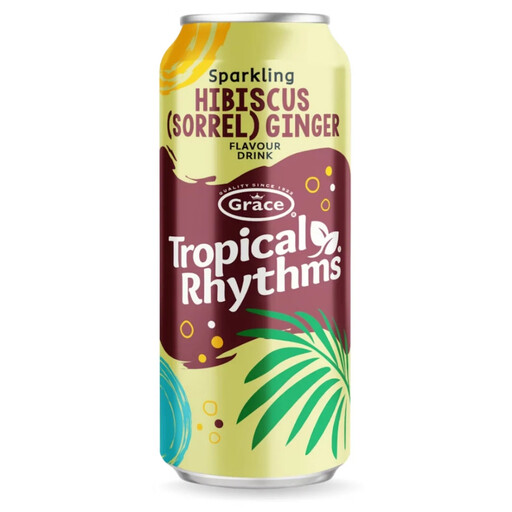
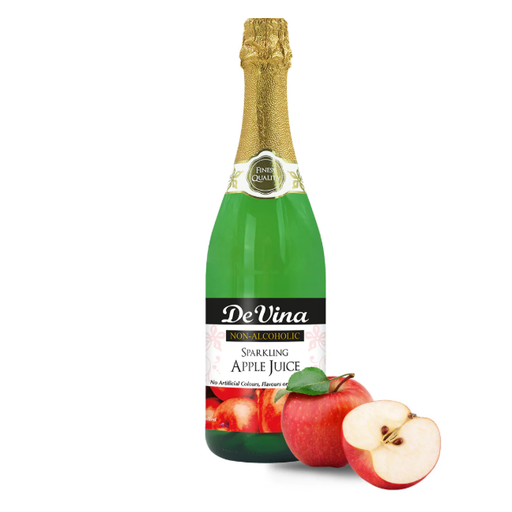
These are sparkling soft drinks for the ready-to-pour route, not concentrated cordials. Choose between their stated flavours and bottle or can sizes if you prefer not to mix a cordial with sparkling water.
 No image available
A ready-to-drink elderflower option for a floral fizzy pour, in a 330 ml can. It is not a cordial to dilute; check the ingredients on the can if its no-added-sugar description matters to your choice.
 No image available
An apple-and-grape sparkling drink for a fruity pour without dilution. The 750 ml bottle is ready to serve; the listing advises refrigeration after opening and consumption within three days.
 No image available
A ready-to-drink sparkling sorrel and ginger option if you want a fruity-spiced flavour rather than a cordial to mix. The ginger may not suit guests who prefer a milder drink; the listing advises drinking it immediately after opening.
 No image available
A ready-to-pour sparkling apple drink in a 750 ml bottle, rather than a cordial for dilution. Plan the number of bottles around your intended pour size; the listing also notes that the glass bottle is not suitable for children under 4 because of its shape and texture.
 No image available
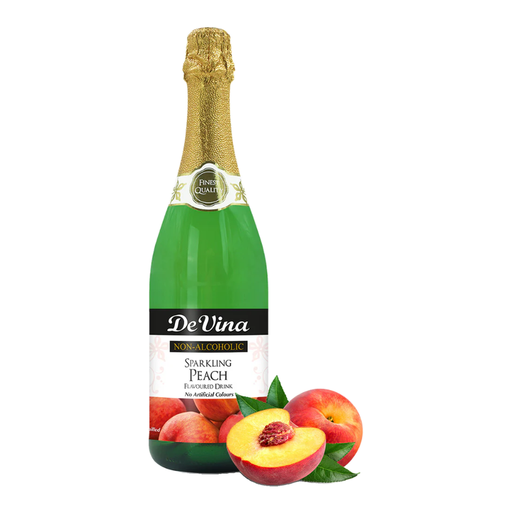
A ready-to-drink sparkling peach option in a 750 ml bottle, with no cordial-mixing step. Check the exact bottle label for sulphites before serving guests who need allergen information.
No: a cordial labelled for sparkling water is a concentrate that you dilute with it. M&S describes its cordials as suitable for dilution with still or sparkling water, whereas Belvoir Farm lists lightly sparkling ready-to-drink products separately.
Start with the exact bottle’s stated yield and your intended glass size, not the concentrate volume alone. Waitrose & Partners states that No.1 Ginger Cordial makes 2.5 litres at its suggested 1:4 dilution, while its bottlegreen Rose & Elderflower listing states 30 glasses of 250 ml at 1:14.
Yes, if you mix a non-alcoholic cordial with sparkling water or another non-alcoholic mixer. Check every ingredient in the finished drink: adding an alcoholic mixer would change that answer.
No. Vegan status does not tell you whether a cordial contains an ingredient relevant to a guest’s allergy or intolerance. Tesco lists sulphites for Robinsons Crushed Lime & Mint, and Waitrose & Partners lists sodium metabisulphite for No.1 Ginger; read the label on the bottle you serve.
Follow the instructions on the particular bottle, as the refrigeration and use-within periods differ. M&S states two weeks after opening for its Raspberry, Rhubarb and Lovely Hibiscus Cordial; Waitrose & Partners states three weeks for Belvoir Raspberry & Lemon and one month for No.1 Ginger.