
24/7 Customer Support

Free returns

Same-day & Next-day Delivery

Quality Guaranteed

Unlock Your Welcome Offers: FREE Delivery | Up to 80% OFF | Free 30-day JoyPlus trial
Download the APP
As a pet owner, providing a safe and comfortable home for your small companion is a top priority. When searching for a hamster house, it's easy to be drawn in by colourful designs or low prices. However, many products on the market have hidden flaws that can compromise your pet's well-being and lead to wasted money. Before you add anything to your basket, it's important to understand the common traps.
Many well-meaning owners fall for these three pitfalls:
This guide will help you navigate these issues by breaking down the essential features to look for, ensuring you choose a small animal hideout that is safe, practical and enriching for your pet.
To make an informed choice, focus on these core parameters. They are the difference between a temporary accessory and a long-lasting, safe addition to your pet's environment.
A hamster's instinct is to chew. This behaviour helps keep their ever-growing teeth in check, so the material of their house is not just a detail—it's a matter of health.
A good hideout provides a sense of security without being restrictive. Your pet should have enough room to comfortably turn around inside. However, a space that is too large may not feel like a secure den.
Crucially, the structure must have proper ventilation. This can be in the form of dedicated air holes or an open-ended design, such as a rabbit tunnel or a guinea pig igloo. Good airflow prevents the build-up of moisture and ammonia, creating a healthier micro-environment within the cage.
Hygiene is paramount. A hideout should be cleaned regularly to prevent illness. An easy clean pet house will save you time and ensure your pet's living space remains sanitary. Look for models with a simple construction, such as a lift-off roof or a two-part design that snaps apart. Non-porous materials like plastic and ceramic are far easier to wipe down and disinfect than untreated, porous woods.
Based on these practical criteria, we've matched a few standout options to different owner needs.
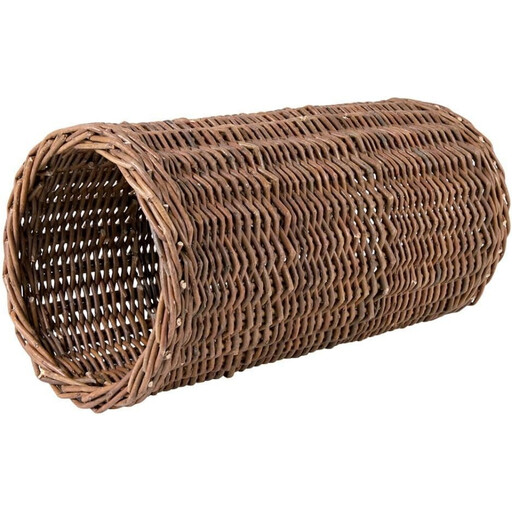
Why This Fits Their Persona: This owner prioritises natural materials and wants to encourage instinctual behaviours. This willow tube serves as both a hideout and a chew toy, perfect for enriching the habitat of hamsters, mice or gerbils.
It directly counters the unsafe materials trap by being made from 100% natural, untreated willow. It is designed to be chewed safely and its open-ended structure ensures excellent ventilation.
Dual-purpose design acts as both a hideout and one of the best gerbil toys or hamster chews. It is lightweight and eco-friendly.
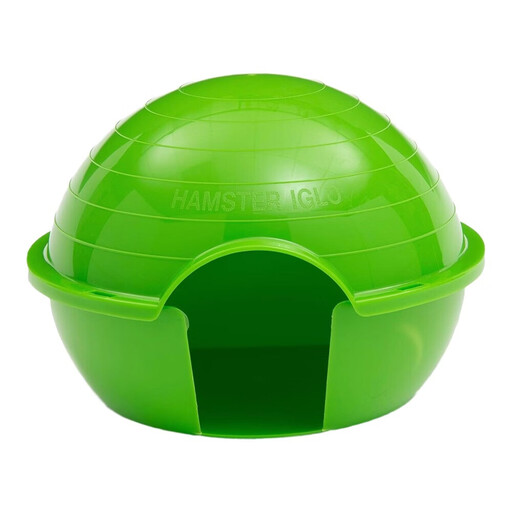
Why This Fits Their Persona: This owner needs a durable, versatile and low-maintenance solution for slightly larger small pets like guinea pigs, rats or chinchillas. Practicality and hygiene are their main concerns.
This igloo completely avoids the "impossible to clean" trap. Its two-part plastic design snaps apart for effortless cleaning and the non-porous surface prevents bacteria from soaking in. It also has built-in ventilation.
Made from durable, non-toxic plastic suitable for a range of small animals. The detachable design makes it one of the most hygienic options available.
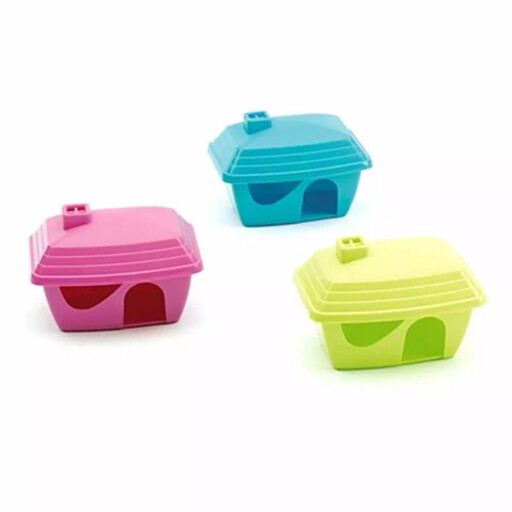
Why This Fits Their Persona: New to hamster care, this owner wants a simple, safe and affordable starter house. They need a reliable product that covers the basics of safety and comfort without a high cost or complex features.
This house is made from durable, non-toxic plastic, avoiding the material safety trap. Its simple, open-bottom design makes it easy to lift and clean underneath and it includes ventilation for healthy airflow.
A straightforward and affordable choice that meets all essential safety criteria. It's a perfect, no-fuss addition to any starter set of hamster cage accessories.
We have compiled a complete, real-time list of products that fully satisfy these strict selection criteria and UK safety regulations.
A spot clean to remove soiled bedding should be done daily. A full, thorough clean of the hamster house should be performed at least once a week. Use a pet-safe disinfectant, rinse it thoroughly and ensure it is completely dry before returning it to the enclosure. Plastic and ceramic houses make this process much simpler.
A Syrian hamster, being larger, requires a more spacious hideout with a wider entrance, typically at least 7-8 cm in diameter. A Dwarf hamster will feel more secure in a smaller, cosier house. Always ensure the entrance is large enough that your pet will not get stuck.
They are only safe if made from appropriate materials. Stick to houses made from 100% untreated, kiln-dried woods like willow, aspen or apple wood. Avoid any hideouts made from pine or cedar, as the aromatic oils (phenols) can be toxic. If a wooden house becomes heavily soiled or chewed to the point of splintering, it should be replaced.