
24/7 Customer Support

Free returns

Same-day & Next-day Delivery

Quality Guaranteed

Unlock Your Welcome Offers: FREE Delivery | Up to 80% OFF | Free 30-day JoyPlus trial
Download the APP
Dry, rough hands are common in the UK, particularly during colder weather or when frequent washing, cleaning products and outdoor work remove natural oils. The right hand cream for dry hands can make daily care more comfortable, but product descriptions often make comparison harder than it needs to be.
The main issue is not always a lack of moisturiser. It is choosing a formula that does not suit your skin, lifestyle or preferred finish.
A thick cream may feel nourishing, but it can also leave a film on keyboards, phones and steering wheels. If you need to use your hands immediately, look for a non-greasy hand cream or fast-absorbing formula. Richer creams can be useful at night or on particularly rough areas, while lighter textures may be more practical during the day.
Almond, floral and cocoa fragrances can make hand care more enjoyable, but scent does not indicate moisturising performance. If you have reactive or sensitive skin, an unscented hand cream for sensitive skin may be a more suitable option. Always check the ingredient list, as a product labelled “gentle” may still contain parfum or fragrance allergens.
A concentrated hand cream is designed to spread with a small amount. Applying a large quantity can create stickiness without necessarily improving comfort. Start with a pea-sized dab, massage it into the backs of the hands, palms, knuckles, fingertips and cuticles, then add more only where needed.
Different ingredients support dry skin in different ways:
Ingredient lists are arranged broadly by concentration, but the complete formula matters more than focusing on one fashionable ingredient.
For hands that feel tight after washing, a fragranced formula may be perfectly comfortable. However, those prone to sensitivity or fragrance reactions may prefer an unscented option. Products containing fragrance can include additional listed components such as limonene, linalool, geraniol or coumarin.
Do not apply hand cream to open wounds, inflamed skin or areas that are actively irritated unless advised by a healthcare professional. Stop use if redness, itching or discomfort develops.
A 15ml tube can be useful in a handbag, desk drawer or coat pocket, while 50ml to 100ml sizes are more practical for regular home or office use. Larger 150ml tubes can offer better convenience for households or frequent application.
Check whether the formula is concentrated and how much is recommended per use. A small tube may last longer than expected when only a small dab is required, but the actual value depends on your application habits and purchase price.
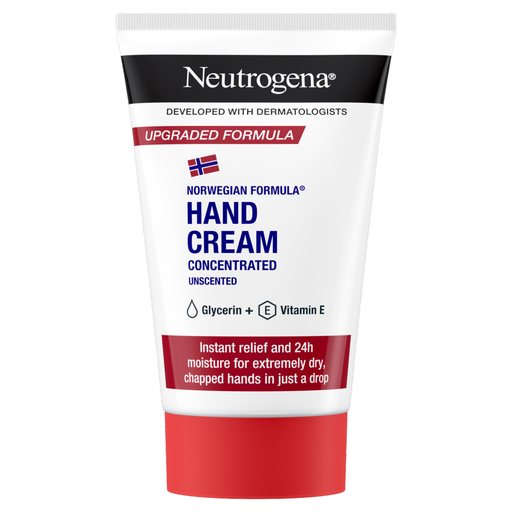
Why This Fits Their Persona: A compact everyday option for shoppers who want a concentrated hand cream without added fragrance, whether kept at home, in an office drawer or in a small wash bag.
The unscented formula avoids choosing fragrance as a substitute for checking skin suitability, while the concentrated format reduces the need for large applications.
Contains glycerin and tocopherol; 50ml size is portable and the product description specifies a non-greasy finish.
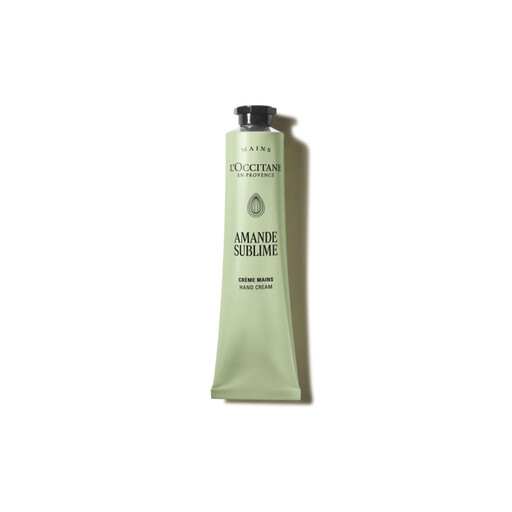
Why This Fits Their Persona: Suits shoppers who want daily nourishment alongside a mild almond fragrance and a polished hand-care experience at home or at work.
Its published ingredient list lets buyers assess the presence of fragrance, almond oil and shea butter rather than relying only on luxury positioning.
Includes almond oil, almond protein, glycerin and shea butter; the description states that its silky texture absorbs without a greasy residue.
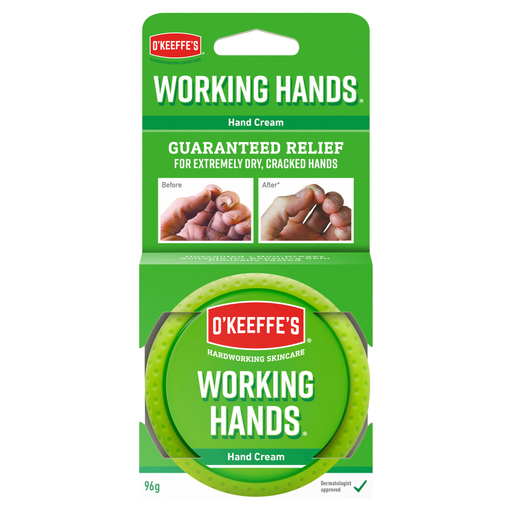
Why This Fits Their Persona: Designed around frequent application for very rough or cracked-feeling hands, making it relevant to manual workers, gardeners and people who wash their hands repeatedly.
The unscented, concentrated format focuses on practical use rather than decorative fragrance. The instructions also emphasise applying sparingly to help limit stickiness.
Contains glycerin, paraffin wax and mineral oil; 96g provides a practical size for regular use at home or work.
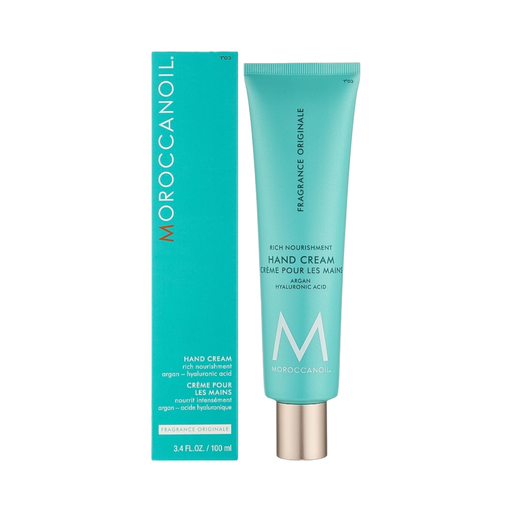
Why This Fits Their Persona: A 100ml choice for those who enjoy a scented hand cream and want care for hands, nails and cuticles as part of a home or office routine.
The fragrance is clearly identified, so shoppers who prefer fragrance can choose it deliberately rather than mistaking scent for hydration.
Includes argan oil, cocoa butter, shea butter and sodium hyaluronate; the product description specifies quick absorption.
We have compiled a complete, real-time list of products that fully satisfy these strict selection criteria and UK safety regulations.
Apply cream after washing and drying your hands, when the skin may feel tight. Pay particular attention to knuckles, fingertips and cuticles. For overnight care, a richer intensive hand moisturiser can be applied before bed, allowing more time for absorption.
Keep one tube near the sink, another at your desk and consider a travel-size hand cream for commuting or outdoor use. Reapply after exposure to cold air, detergents or repeated hand washing. Check the packaging for the current ingredient list, storage guidance and shelf-life information before use.
Look for a formula containing humectants such as glycerin alongside occlusive or emollient ingredients such as petrolatum, paraffin, dimethicone, shea butter or cocoa butter. A concentrated product may be practical, but avoid applying it to open or inflamed skin.
Unscented formulas avoid added fragrance, which may be useful for people who are sensitive to perfumes. However, “unscented” does not guarantee that every ingredient will suit everyone. Read the full label and discontinue use if irritation occurs.
There is no fixed lifespan because usage varies. A 15ml tube may suit occasional or travel use, while 75ml to 100ml sizes are more appropriate for daily application. Concentrated products generally require a smaller amount per use, so follow the instructions and keep the cap securely closed.