Occasional lunchbox brownie baker
You make one tray or a small batch at a time. A hand mixer can whisk the eggs and sugar, while a spatula handles the flour-folding stage in the Good Food brownie method.


For an occasional small brownie batch, choose a hand mixer with controllable speeds and beaters for whisking eggs and sugar, then switch to a spatula when the recipe calls for flour to be folded in. If you bake frequently, grip and balance may matter more; a mixer with a rotating bowl makes more sense when repeated batches justify the extra storage space.
You make one tray or a small batch at a time. A hand mixer can whisk the eggs and sugar, while a spatula handles the flour-folding stage in the Good Food brownie method.
You use a mixer often enough to pay attention to its grip, balance and speed controls. Braun lists a soft grip and five variable speeds for its HM 3100 WH; comfort claims for its motor placement are the manufacturer’s own, not an independent comparison.
You make several batches and would rather use a rotating bowl than hold a mixer over each one throughout. Kenwood lists a Chefette model with a 3.5 L rotating bowl, which also means finding space for the bowl and appliance.
Start with the mixing stages your brownie recipe calls for, then decide whether frequent use, easy storage or holding comfort changes which hand mixer suits you.
| Concern | What to check | Who this matters to |
|---|---|---|
| Control across mixing stages | Look for several speed settings and supplied beaters. Keep a spatula for folding in flour. | If I whisk eggs and sugar but want to stop powered mixing before folding in flour, speed control is my priority. Around 36% of consumers put this stage-by-stage control first. |
| Frequent or broader baking | Compare the exact model’s rated power, speeds and included tools against the other recipes you make. | If I bake repeatedly or make mixtures beyond brownies, I need to choose for those tasks as well as this small batch. Around 29% of consumers make broader baking capability their primary concern. |
| Cleaning and storage | Check how the tools detach, the cleaning instructions and the space the appliance takes up. | For an occasional tray, I want to put the mixer away without storing a dedicated bowl and remove its tools for cleaning. Around 21% of consumers prioritise that convenience. |
| Hand comfort | Compare the listed weight, grip and cord arrangement of the exact models you are considering. | If I hold a mixer through repeated batches, its grip and balance matter to me more than compactness. Around 14% of consumers put holding comfort first. |
A motor rating does not tell you how a mixer will handle every recipe. For the brownie method, usable speed control and knowing when to stop powered mixing are also relevant.
Compare the exact model’s controls, supplied beaters, tool removal and grip alongside its rated power.
The Good Food brownie method uses electric whisking for eggs and sugar, then calls for gentle folding once flour is added.
Choose a mixer you can control at low speed, and keep a spatula ready for the flour and other additions your recipe asks you to fold in.
A bowl-assisted mixer can reduce the need to hold the appliance during repeat mixing, but a standard hand mixer used with your own bowl is more compact.
Choose the rotating-bowl format if repeated batches or holding time matter enough to justify storing the bowl and appliance.
Braun’s reduced-effort claim for its SmartMix design comes from the brand’s own cake-batter test; it does not establish the comfort of every hand mixer or every brownie-mixing task.
Compare the grip, listed weight and layout of the exact models, and check their terms if holding comfort is central to your choice.
Kenwood’s UK hand-mixer range includes compact models and the bowl-assisted Chefette format.
Bosch’s hand-mixer range includes CleverMixx and Styline models; features should be checked by model rather than assumed across the range.
Braun’s MultiMix range places particular emphasis on grip, balance and speed control.
These compact hand mixers suit the standard hand-mixer route for occasional brownie batches. Choose between them using the controls and included tools confirmed for the exact variant; neither replaces a spatula when your recipe calls for gentle folding.
 No image available
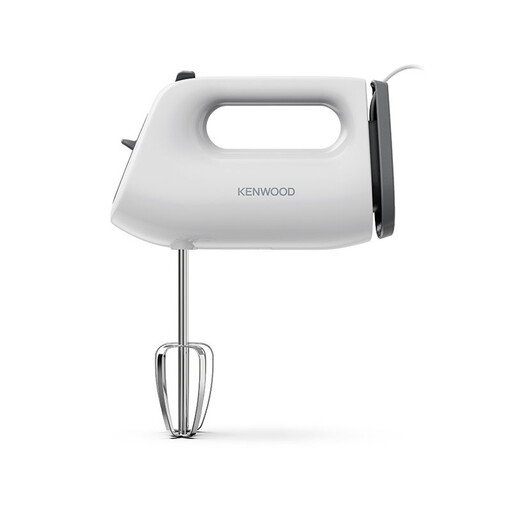
Consider this compact hand mixer for an occasional small batch when you want to whisk the eggs and sugar before switching to a spatula for the flour.
The named variant is rated at 300 W and lists three speeds and twin beaters. Follow the instructions for cleaning the appliance body rather than assuming it can go in the dishwasher.
 No image available
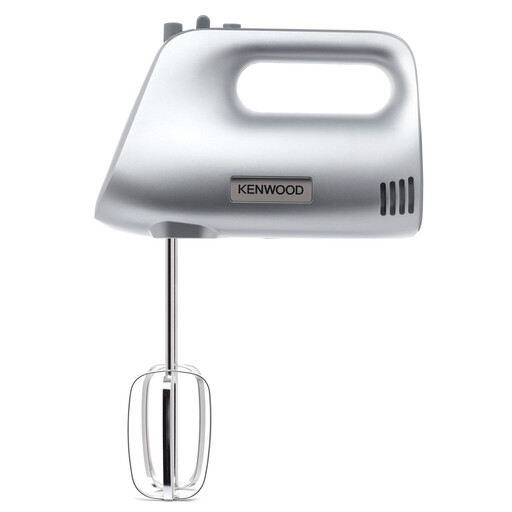
Consider this compact hand mixer if adjustable control for whisking is important to your brownie method. Switch to a spatula when the recipe calls for flour to be folded in.
Confirm which attachments are included with the HMP30.A0SI variant before buying, particularly if you also plan to use it for other recipes.
Choose controllable speeds rather than treating one wattage figure as a brownie requirement. Good Food’s brownie method uses an electric whisk for eggs and sugar, but the later flour stage calls for gentle folding; compare motor ratings alongside the controls and tools of the exact models you are considering.
Not if you are following the Good Food brownie method, which calls for the sifted flour to be folded in gently. Use the mixer for the earlier whisking stage, then switch to a spatula.
Remove and clean detachable tools according to the manual for your exact mixer, and clean the worktops and utensils you used. Keep raw-food residues away from ready-to-eat food; nidirect’s Northern Ireland food-safety guidance highlights contact and drips from raw food as cross-contamination risks.