Who is this for?

Family cheesecake makers focused on texture

For a filling made with soft cheese and later additions, controllable mixing matters more than starting at full speed. BBC Good Food’s cheesecake method beats the soft cheese until creamy and uses the lowest electric-beater setting when adding soured cream.

Occasional bakers with limited storage

If the mixer will come out for occasional desserts, consider where its tools and cord will go between uses. Kenwood lists tool and cord storage on its QuickMix Go model.

Hosts who want less continuous holding

If you are preparing several dishes, a supplied rotating bowl may suit your workflow better than guiding a handheld mixer throughout. Kenwood lists a 3.5 L rotating bowl for its Chefette hand mixer with bowl; check the working quantity for your recipe separately.

What matters when choosing?

Choose the mixing control your recipe needs first, then decide whether compact storage or a supplied rotating bowl matters more to you.

Concern What to check Who this matters to
Controlled filling Check the included beaters and whether the speed settings allow a gentle start. BBC Good Food uses the lowest electric-beater setting when adding soured cream. If I want to beat soft cheese until creamy and add looser ingredients without starting at full speed, control is my main concern. Around 50% of consumers put that need first.
Compact storage Check the appliance’s storage space and how its tools and cord are kept together. When I bake only occasionally, I want the mixer and its accessories to fit away neatly. For around 30% of consumers, compact storage is the primary need.
Less hands-on mixing Check the supplied bowl’s capacity against your recipe quantity and allow space to store the appliance. If I am preparing other dishes for guests, I would rather not hold the mixer throughout. That is the main priority for around 20% of consumers.

Buying pitfalls

  • Choosing by wattage alone

    A motor rating does not, on its own, tell you how easily you can control the mixer as cheesecake ingredients are added. Which? identifies handling and control among the differences it considers when testing hand mixers.

    Compare speed settings, included beaters and handling information for the exact model, alongside its wattage.

  • Assuming attachments are the same across models

    Attachment sets vary. KitchenAid lists beaters, a whisk, dough hooks and a mixing rod with its nine-speed model, but those extras are not a requirement for every cheesecake filling.

    Check the box contents for the model you intend to buy, especially the beaters needed for your recipe.

  • Choosing a bowl model without checking its size

    A rotating bowl changes the mixing workflow, but its stated capacity does not establish how much of every mixture you can prepare in it.

    Check the recommended working quantity against your recipe and make room to store both mixer and bowl.

  • Starting at maximum speed

    The recipe’s ingredient sequence still matters when using an electric mixer. BBC Good Food’s cheesecake method calls for creamy soft cheese before adding soured cream at the lowest electric-beater setting.

    Follow your recipe’s order and begin additions at a low setting, increasing speed only where the method calls for it.

Hand-mixer brands to consider

Kenwood

Kenwood’s hand-mixer range includes compact handheld models, storage-focused QuickMix Go models and the bowl-equipped Chefette.

  • Kenwood lists five speeds and tool and cord storage for QuickMix Go, while its Chefette listing specifies a rotating 3.5 L bowl.
  • The Chefette takes a different, larger-format approach from a compact handheld mixer; check its working quantity and storage space before choosing that route.

Bosch

Bosch lists compact hand mixers as well as models with additional speed and handling features.

  • Bosch specifies five speeds plus turbo and a soft-touch handle for the MFQ4020GB.
  • Check the exact model’s availability and included tools rather than treating features across the range as interchangeable.

KitchenAid

KitchenAid offers hand mixers with different speed ranges and attachment sets.

  • KitchenAid describes gentle stirring at speed 1 on its five-speed Classic and lists beaters, a whisk, dough hooks and a mixing rod with its nine-speed model.
  • Consider the broader attachment set only if you expect to use it for tasks beyond cheesecake filling.

Joybuy hand mixers for this task

These handheld models are options for mixing cheesecake filling in your own bowl. Check the controls, supplied tools and recommended working quantity against your recipe before choosing.
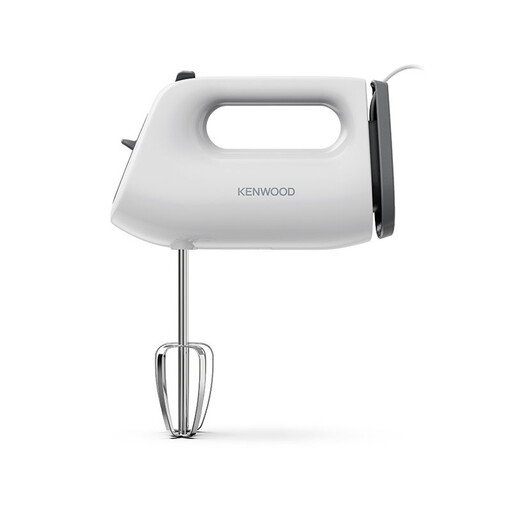
White Kenwood Quickmix Lite HMP10.00WH hand mixer

Kenwood Quickmix Lite HMP10.00WH, white

Consider this handheld model if you want several speed settings for mixing in your own bowl. Its listed details include 300 W, three speeds and twin beaters; check the recommended working quantity for your cheesecake recipe.

View on Joybuy
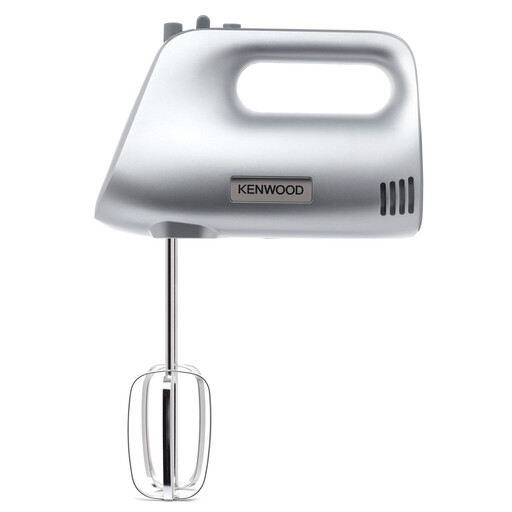
Silver Kenwood Quickmix HMP30.A0SI hand mixer

Kenwood Quickmix HMP30.A0SI, silver

This is a handheld option if you plan to mix the filling in your own bowl. If a gentle starting speed is important to your recipe, confirm this model’s controls, supplied beaters and recommended working quantity before buying.

View on Joybuy

Common questions

Do I need a stand mixer for cheesecake filling?

No stand mixer is required for the BBC Good Food cheesecake method, which uses an electric beater. A handheld mixer is a reasonable starting point for this task; consider a larger, less hands-on setup if that workflow matters for your other baking too.

Should I use the highest speed to remove cream-cheese lumps?

Start at a low setting and follow the recipe’s ingredient order rather than assuming maximum speed is needed. BBC Good Food advises beating soft cheese until creamy, then using the lowest electric-beater setting when adding soured cream.

Does a higher wattage mean smoother cheesecake filling?

Wattage alone cannot tell you how a hand mixer will handle your filling. Compare its speed controls, included beaters and suitability for your recipe quantity as well as its motor rating; Which? also considers handling and control when testing hand mixers.

What if my cheesecake recipe uses raw or lightly cooked eggs?

Check the recipe, egg labelling and the needs of your guests; this is a food-safety decision, not a mixer feature. The Food Standards Agency’s advice concerning raw or runny eggs for vulnerable groups applies to eggs produced within a recognised assurance scheme, so do not extend it to all eggs.