Occasional lunchbox-cake baker
You mainly mix one bowl of chocolate cake, cupcake or traybake batter. Beaters and manageable speed control are more relevant to that task than dough-oriented attachments.


For occasional chocolate cakes, choose a hand mixer you can start slowly and control while incorporating flour and cocoa; extra dough tools matter more if you also make heavier mixtures. Three speeds may cover a simple batter, while four or five give you more steps to choose from. Whatever the mixer, Nigella Lawson advises stopping an all-in-one cake mix once the ingredients are combined.
You mainly mix one bowl of chocolate cake, cupcake or traybake batter. Beaters and manageable speed control are more relevant to that task than dough-oriented attachments.
You want to incorporate flour and cocoa without continuing to mix after the batter has come together. Nigella Lawson’s guidance for all-in-one cakes is to mix only until the ingredients are combined.
You also prepare cream, eggs, icing or heavier mixtures. The accessories supplied with a particular model may therefore influence your choice as much as its suitability for cake batter.
Start with control for the cake batter itself, then decide whether comfortable handling and accessories for other recipes justify a different model.
| Concern | What to check | Who this matters to |
|---|---|---|
| Speed control | Check whether the mixer starts gently and offers speed steps you can use while adding dry ingredients. Do not rely on turbo for this stage. | If I worry about a dense sponge, I want to bring flour and cocoa into the mixture without mixing longer than necessary. Around 46% of consumers put that control first. |
| Handling and cleaning | Check the listed weight, how the beaters release and the cleaning instructions for the exact attachments. | For an occasional small cake, I want a mixer I can hold comfortably and put away without a lengthy clean-up. That is the main priority for around 36% of consumers. |
| Other baking tasks | Check the precise accessory bundle: a whisk or dough hooks are relevant only if your other recipes call for them. | If I also make whipped mixtures or heavier doughs, I need the supplied tools to cover those jobs. Around 18% of consumers place that versatility first. |
A motor rating does not tell you how a finished cake will turn out. Manufacturer specifications list different ratings across Kenwood, Bosch and KitchenAid models, but they are not like-for-like cake-texture tests.
Check the available speeds and supplied beaters alongside the rating, then choose controls you can use when flour goes into the bowl.
Turbo is a feature on several hand mixers, not a reason to keep beating a flour-containing sponge mixture. Nigella Lawson advises mixing an all-in-one cake only until combined.
Begin slowly when adding flour and cocoa, scrape the bowl if needed and stop when no dry streaks remain.
Cleaning instructions can differ between the removable tools and the powered mixer body. A dishwasher-safe attachment claim should not be applied to the whole appliance.
Check the instructions for the exact model, remove the tools before cleaning and follow the manufacturer’s directions for the motor body.
Standard beaters address the chocolate cake task; dough hooks are relevant when heavier mixtures are genuinely part of your plans.
Compare the included accessories with the recipes you make, rather than treating a larger bundle as a requirement for sponge cake.
Kenwood’s QuickMix range is relevant if you are weighing a straightforward cake mixer against one supplied with kneading tools.
Bosch offers hand mixers with different speed arrangements and accessory sets, so the model matters more than the brand name alone.
The 5KHM5110 is relevant if you want beaters for cake batter and a separate whisk for other light baking tasks.
These Kenwood hand mixers relate to the lunchbox cake-batter task: one has a specified three-speed arrangement, while the other is worth considering if you also want to check its accessory options for broader baking.
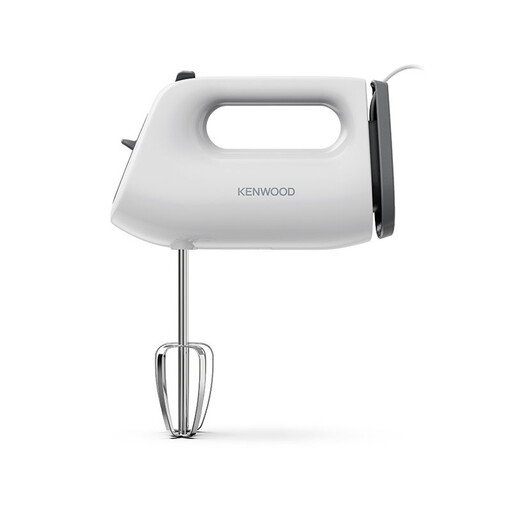 No image available
A choice to consider for occasional cake batter if its three speed settings give you the control you want.
The product name specifies a 300 W rating and twin beaters. Check the exact cleaning instructions before washing any part; follow the manufacturer’s directions for the motor body.
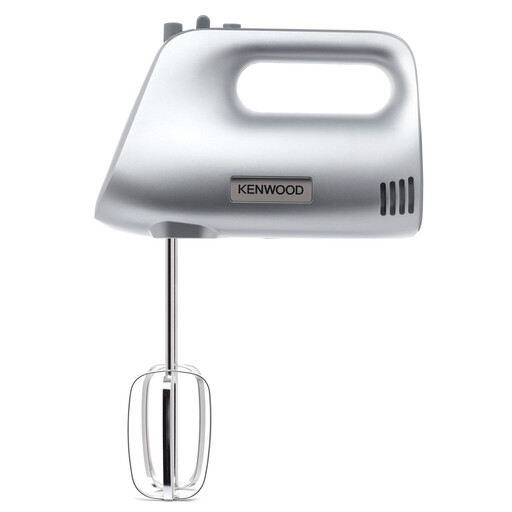 No image available
Consider this model for cake batter alongside other baking tasks, provided its controls and supplied tools fit the recipes you make.
If a gentle starting speed or a separate whisk is important, confirm the controls and the exact accessory bundle for HMP30.A0SI before choosing it.
Start at a low, practical speed when bringing dry and wet ingredients together, then stop once they are combined. KitchenAid’s speed guidance assigns dry ingredients mixed with wet ingredients to a low setting, but numbered settings differ between models; Nigella Lawson advises against continuing to mix an all-in-one cake after it has come together.
Overmixing can leave a cake dense, so how long you mix matters as well as which hand mixer you choose. Nigella Lawson advises mixing an all-in-one cake only until the ingredients are combined; slow down when flour is added and stop when the batter has come together.
Only put beaters in the dishwasher if the instructions for the exact model permit it. Check each removable tool separately and clean the powered motor body as the manufacturer directs, rather than treating an attachment’s cleaning instructions as applying to the whole mixer.
Follow the manufacturer’s use and cleaning instructions and keep the powered appliance away from water. If the plug, cable or mixer is damaged, becomes unusually hot, makes unusual sounds or trips electrical protection, stop using it and seek advice from the retailer, manufacturer or a qualified repair technician.