Occasional mousse makers
If you are making one recipe for a bake sale, focus on the tools and speed control needed for its cream or eggs rather than capacity or dough attachments you may not use.


For one modest batch of chocolate mousse, choose a conventional hand mixer with suitable beaters or a whisk and speed control that lets you start gently. A bowl-combi mixer is worth considering if repeated batches and hands-free mixing matter enough to justify the extra storage space. Neither choice replaces planning for ingredients, chilled storage and the conditions of selling food at the bake sale.
If you are making one recipe for a bake sale, focus on the tools and speed control needed for its cream or eggs rather than capacity or dough attachments you may not use.
If several bowls are on the schedule, a mixer with a rotating bowl may free your hands to prepare ingredients or portion containers between mixing steps. You will need room to store the bowl and its base.
If the mixer will also be used for cakes or other preparation tasks, compare its supplied attachments with those recipes while keeping cupboard space in mind.
Decide whether you need to mix one bowl by hand or prepare repeated batches with a bowl-combi appliance. Then check the tools, speed controls and handling features of the exact model against your recipe.
| Concern | What to check | Who this matters to |
|---|---|---|
| Mousse texture | Check that the supplied whisk or beaters suit the recipe and that you can begin at a controlled speed. | If I need to whip cream or egg whites before combining ingredients, I want enough control to follow each stage of the recipe; around 29% of consumers put mousse-mixing control first. |
| Repeated batches | For a bowl-combi model, check whether the bowl rotates and whether its stated capacity suits each planned batch. | Making several bowls while preparing portions makes hands-free intervals useful; around 29% of consumers prioritise the repeat-batch workflow. |
| Handling and clean-up | Look for a manageable grip, a gentle starting setting and removable tools; confirm which parts the manufacturer says can go in a dishwasher. | If longer mixing sessions or splashes make preparation harder, I care about keeping the appliance comfortable and manageable; around 21% of consumers make handling and clean-up their primary concern. |
| Compact storage | Compare the space needed for the mixer and its attachments with the baking tasks you expect to use them for. | When cupboard space is tight and mousse is an occasional project, I would rather store only tools I expect to use; around 21% of consumers put compactness and avoiding unused extras first. |
A power figure does not tell you which tools are supplied or how gently you can start mixing. Model codes matter too: Kenwood lists 450W for an HMP30 model on its UK category page, while a Joybuy listing gives 300W for the HMP30.A0SI.
Compare the full model code, attachments and speed controls. If power specifications differ for the model you intend to buy, ask the manufacturer or seller to clarify them before deciding.
A rotating bowl can help with repeated preparation, but the bowl and base take more storage space than a conventional hand mixer.
Choose the bowl-combi format when hands-free intervals or repeated batches will be useful; for one bowl, start by checking whether a conventional mixer has the tools your recipe calls for.
The appliance cannot settle questions about raw or lightly cooked egg, chilled storage or allergens. GOV.UK guidance says food supplied at community and charity events in England, Northern Ireland and Wales must comply with food law and be safe to eat.
Plan the recipe, ingredient information and storage before making mousse for sale. Check the event organiser’s requirements and seek guidance from the relevant local authority if the applicable conditions are unclear.
Kenwood offers both conventional QuickMix hand mixers and the Chefette bowl-combi format, making the difference between compact mixing and repeated-batch workflow worth examining.
The MFQ4020GB is a conventional hand mixer to compare if speed settings and a hand-held grip are priorities.
The 5KHM9212 is relevant when the same hand mixer will be used for mousse and other preparation tasks.
The Desire Matte Charcoal Hand Mixer is a conventional model included in The Telegraph’s hand-mixer selection.
The HMF01 appears in The Telegraph’s hand-mixer selection.
These hand-held Kenwood models are options for mixing in your own bowl. If you need hands-free intervals for repeated batches, consider the bowl-combi format discussed above instead.
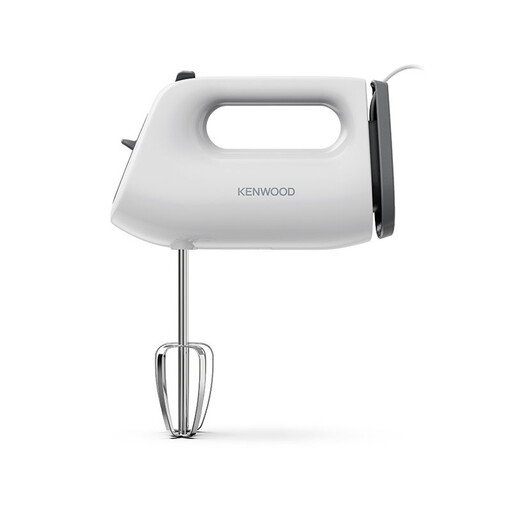 No image available
For a batch you can mix while holding the appliance, this model has three speeds and twin beaters. Its product name specifies 300W; check whether the beaters suit your mousse recipe and whether your planned quantity will fit your mixing bowl.
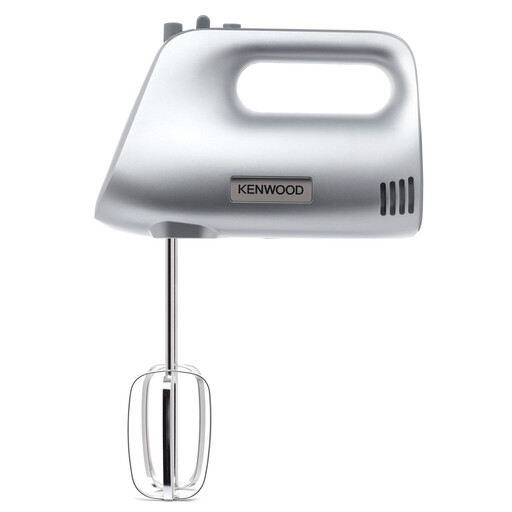 No image available
Consider this conventional hand mixer if you can work around the bowl yourself. Before choosing it for mousse, confirm the supplied tools, speed controls and full-model power specification, particularly if a gentle start matters to your recipe.
A conventional hand mixer is a reasonable choice for a modest batch if its supplied tools suit your recipe and you can hold it while mixing. If you will make repeated batches and need hands-free intervals, compare a bowl-combi model instead; it will need more storage space.
Follow your recipe’s sequence and choose a mixer that allows a gentle start before increasing speed where the recipe calls for whipping. For comparison, Bosch specifies five speeds plus turbo for the MFQ4020GB, while Kenwood describes a slow start for the Chefette HMP54.000SI.
A bowl-combi mixer can be useful when repeated preparation makes hands-free intervals valuable. Kenwood specifies a 3.5 L rotating bowl for its Chefette HMP54.000SI and gives an example of whisking 500 ml of cream; check your recipe and batch size rather than treating that example as a mousse yield.
No mixer can determine whether a raw-egg recipe is suitable for your event. Check the egg choice, recipe handling, chilling and intended consumers against applicable food-safety guidance, and agree on the event’s requirements before preparing portions.
Confirm the event’s food-handling arrangements, chilled storage, ingredient and allergen information, and whether your operation needs registration. GOV.UK says community food providers may need to register even when food is free; its community-event guidance for England, Northern Ireland and Wales says supplied food must comply with food law and be safe to eat. Ask the organiser or relevant local authority about the conditions that apply to your event.