Buffet host making several batches
You need a mixing routine that fits the number of batches, the bowls you have and the time available. Think about whether you are comfortable holding and guiding a mixer for every batch.


For pourable, cake-style doughnut batter, choose a hand mixer you can start slowly and manage across the number of batches you plan to make; wattage alone does not establish suitable batch size or running time. A standard mixer works with your own bowl, while a mixer with a bowl and stand can reduce the amount of time spent holding it during repeated batches. Check that each batch leaves room for the batter to move, and include equipment cleaning and allergen information in the plan if the buffet is run as a food business.
You need a mixing routine that fits the number of batches, the bowls you have and the time available. Think about whether you are comfortable holding and guiding a mixer for every batch.
You want to bring flour and liquid together at a low speed before increasing it as needed. The supplied beaters and the way the mixer starts matter more to this task than an attachment count alone.
You need to clean mixing tools as part of your allergen-control process and keep information about the doughnuts’ ingredients accurate. The Food Standards Agency’s guidance for food businesses also addresses equipment cleaning and avoiding allergen cross-contamination.
For pourable doughnut batter, decide how you will handle repeated batches before comparing speeds and attachments. These two formats differ chiefly in how much of the mixing you must do by hand.
Choose it when: You have a suitable bowl and can hold and guide the mixer through each manageable batch.
Allow for: Repeated batches mean more time holding the mixer; check the exact model’s operating and rest instructions.
Choose it when: You expect repeated batches and value mixing in a dedicated bowl without holding the mixer throughout.
Allow for: The stand needs storage space, and the bowl’s stated capacity is not a usable batter-fill level. Check your recipe volume and leave mixing headroom.
| Concern | What to check | Who it matters to |
|---|---|---|
| Repeated batches | Compare your batch volume with the usable space in your bowl, and check the model’s operating and rest instructions. | When I have several mixes to prepare, I need a routine I can keep up without filling the bowl too high. Around 50% of consumers put repeat-batch workflow first. |
| Batter control | Confirm the supplied beaters and whether the exact model has a suitably low starting speed. | If flour scatters as I begin mixing, I want to bring the ingredients together more gradually. Around 30% of consumers make batter control their primary concern. |
| Cleaning and allergens | Check how the tools detach and how each part should be cleaned; for food-business use, include bowls and work tools in allergen procedures. | Serving doughnuts through a food business means I need a cleaning process and accurate ingredient information, not just removable beaters. For around 20% of consumers, this is the main priority. |
A power rating does not tell you how much of your doughnut batter the mixer can handle or how long it should run without a break.
Compare the supplied beaters, speed controls and exact model’s manual with your recipe and planned number of batches.
Kenwood lists a 3.5 L bowl for the Chefette HMP54.000SI, but batter needs room to move, and doughnut recipes differ in volume and consistency.
Work out the volume of your mix, leave headroom and divide it into batches if the bowl would be close to full.
KitchenAid’s attachment guidance distinguishes beaters for runny or cake-style batter from dough hooks for yeast dough. A fast start can also scatter dry ingredients.
For pourable batter, start with the appropriate beaters at a low speed, then increase speed as needed. Follow the instructions for your own mixer and recipe.
Detachable tools can make routine cleaning easier, but they do not by themselves prevent allergen cross-contamination or keep ingredient information current.
For a food business, include beaters, bowls and work tools in cleaning procedures, and review allergen information whenever ingredients or recipes change. The Food Standards Agency’s food-business guidance addresses both accurate information and cleaning controls.
Kenwood offers conventional hand mixers as well as the Chefette HMP54.000SI, which pairs a removable hand mixer with a rotating 3.5 L bowl.
The Bosch MFQ4020GB is a conventional hand mixer for those who plan to mix in their own bowl.
The KitchenAid 5KHM9212 is a hand-held option for consumers who also want attachments for other mixing tasks.
These Kenwood hand mixers are options for preparing pourable batter in your own bowl. For repeated buffet batches, check your recipe volume and each model’s operating instructions before choosing between them.
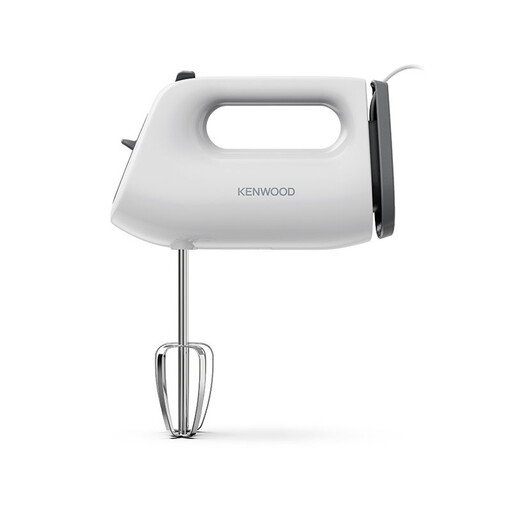 No image available
This hand-held model suits mixing pourable batter in your own bowl when you can manage each batch by hand.
Its listed features include three speeds and twin beaters. Check the model instructions for suitable batch sizes, operating breaks and cleaning of the main body; do not immerse the body based on a claim about washable parts.
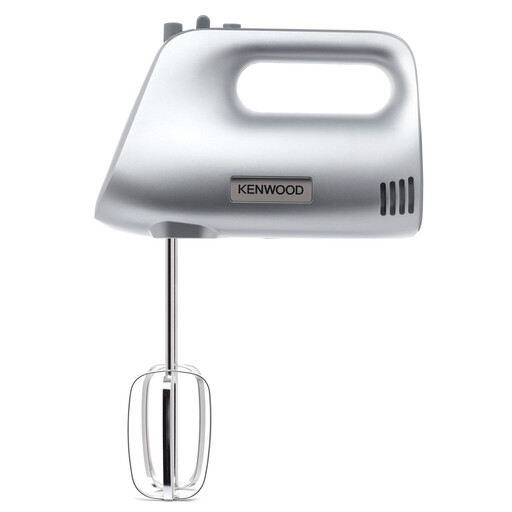 No image available
This conventional hand mixer is another option for cake-style batter mixed in a separate bowl.
Before choosing it for repeated batches, confirm the HMP30.A0SI’s starting speed, supplied attachments, suitable batch size and operating intervals against the model instructions.
Use the beaters supplied with your hand mixer unless your recipe or appliance instructions say otherwise. KitchenAid’s guidance identifies beaters for runny and cake-style batters and distinguishes dough hooks for yeast dough.
It can be useful when repeated batches make holding a mixer throughout less convenient. The Kenwood Chefette HMP54.000SI has a rotating 3.5 L bowl and a removable hand mixer, but you still need to check that each batch leaves adequate space in the bowl.
Check the exact model instructions and your dough recipe before using a hand mixer for yeast dough. Some models supply dough hooks, but the presence of hooks alone does not establish a suitable dough quantity or running time for repeated heavy batches.
Equipment cleaning and accurate allergen information become part of the preparation process, not just considerations when choosing a mixer. Food Standards Agency guidance for England, Northern Ireland and Wales addresses avoiding allergen cross-contamination and keeping information about ingredients accurate; check the requirements for your precise sales format, and check Scottish guidance separately if operating in Scotland.