Small-batch lunchbox bakers
If you make modest amounts of filling occasionally, you may value a mixer that is straightforward to retrieve and put away with its tools.


For small batches of cheesecake filling, start by comparing hand mixers with beaters, usable speed settings and a storage arrangement that suits your kitchen. A compact plug-in model makes sense when a socket is convenient; consider cordless mixing when socket access is a recurring problem and you are willing to manage battery charging. Wattage alone cannot establish which mixer will give better results for your recipe.
If you make modest amounts of filling occasionally, you may value a mixer that is straightforward to retrieve and put away with its tools.
If you want to begin mixing gently and adjust as you go, compare the actual speed settings and supplied beaters rather than relying on motor wattage alone.
If a convenient mains outlet is often unavailable where you prepare filling, cordless mixing may be useful, provided you can keep the battery charged.
For a small lunchbox batch, assess how you will store and control the mixer, then decide whether mixing away from a socket is necessary.
| Concern | What to check | Who this matters to |
|---|---|---|
| Compact storage | Check the mixer’s dimensions and whether its cable and attachments can be stored together. | For occasional small batches, I want to put the mixer and its tools away without hunting for separate pieces next time; around 42% of consumers put compact storage first. |
| Speed control and tools | Compare the exact speed settings and confirm which beaters or whisk come with the model. | When mixing cheesecake filling, I want to start gently and adjust the mix with the tools supplied; around 33% of consumers prioritise control and attachments. |
| Socket-free mixing | Check whether the battery is included and how charging fits your routine. | If the preparation spot has no convenient outlet, I need to mix without a cable reaching the counter; around 25% of consumers put cordless flexibility first. |
A motor rating does not establish how a particular mixer will handle your cheesecake recipe. The models discussed here also differ in their controls, supplied tools and storage arrangements.
Compare the exact model’s speeds and attachments alongside its wattage, then consider the size of batch you usually make.
Cordless mixing addresses an inconveniently placed socket, but it also means keeping a battery charged between uses.
If you normally prepare filling near an outlet, compare plug-in models’ handling and storage before deciding whether cordless operation matters to you.
The mixer you choose does not change how the finished dessert needs to be stored. GOV.UK’s food-business guidance identifies ready-to-eat desserts as foods that need chilling.
Refrigerate the prepared portions promptly, plan how to keep them chilled in the lunchbox and follow the ingredients’ storage and use-by instructions.
Kenwood’s QuickMix Go HMP40.000GY is a compact plug-in reference for cooks who want to keep a mixer and its tools together between small baking sessions.
Bosch’s MFQ2420BGB is a plug-in reference if handling weight and straightforward controls matter more to you than integrated tool storage.
KitchenAid provides two distinct references here: the plug-in 5KHM5110BWH for buyers seeking an included whisk, and the cordless 5KHMR762BM for cooks with limited socket access.
These Kenwood hand mixers are options to consider for small batches of lunchbox cheesecake filling. Check each model’s controls, tools and storage arrangement against the space and mixing routine you have.
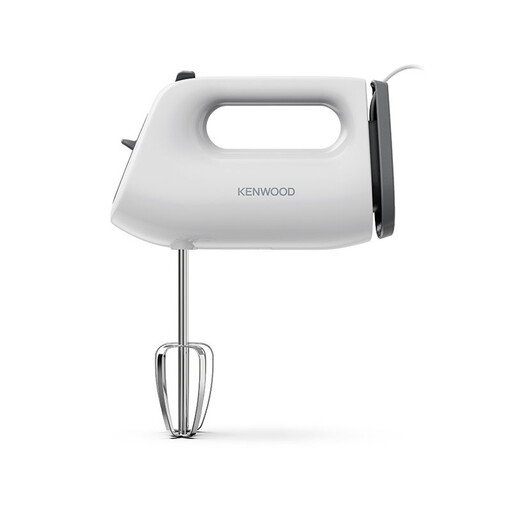 No image available
Consider this model if three speed settings and twin beaters suit the small batches you make.
Its listed motor rating is 300 W. Check the main body’s cleaning instructions before washing it; the care instructions say to wipe the body rather than immerse it.
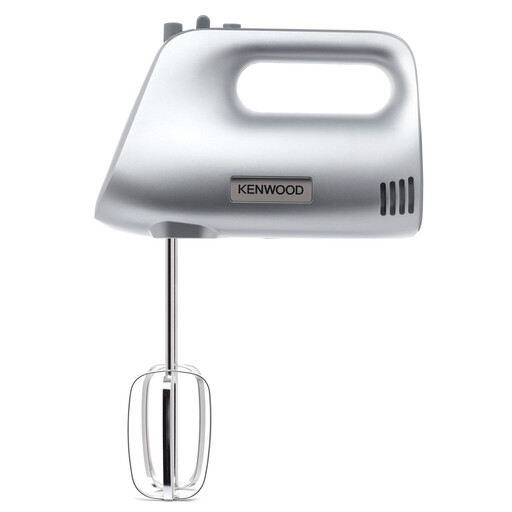 No image available
If keeping accessories together matters for occasional batches, check how this model’s storage arrangement would fit your cupboard.
Confirm its included tools and number of speed settings if either will determine your choice.
Check the speed settings and supplied beaters first if you want to begin gently and adjust the mix. Wattage is worth noting, but the different ratings listed by Bosch, Kenwood and KitchenAid do not provide a like-for-like test of cheesecake-filling results.
A cordless mixer is worth considering when you regularly prepare filling away from a convenient socket. KitchenAid’s 5KHMR762BM includes a battery, but you will need to keep it charged; KitchenAid states a runtime of up to 60 minutes before recharging.
Not necessarily: check which tool your recipe calls for before making an included whisk a requirement. KitchenAid lists both turbo beaters and a 16-wire whisk for the 5KHM5110BWH, while Kenwood lists beaters and kneaders for the QuickMix Go HMP40.000GY.
Keep the portions chilled during storage and transport, and follow the ingredients’ storage and use-by instructions. GOV.UK’s food-business guidance identifies ready-to-eat desserts as foods needing chilling; its business requirements should not be mistaken for a specific domestic lunchbox time limit.