Small-batch mousse makers
If you prepare filling for one or a few lunchboxes, a hand mixer lets you work in a small bowl without setting up a larger machine. Compare the included whipping tools and speed settings for the exact model.


For small bowls of mousse filling, choose a compact hand mixer with suitable beaters and several speed settings rather than selecting by wattage alone. A bowl-combi makes more sense if you regularly prepare larger batches and want less hands-on mixing; whichever mixer you choose, plan chilled storage for a perishable packed-lunch filling separately.
If you prepare filling for one or a few lunchboxes, a hand mixer lets you work in a small bowl without setting up a larger machine. Compare the included whipping tools and speed settings for the exact model.
If cupboard space and washing-up matter as much as mixing, consider a compact mixer with removable tools. Kenwood describes its hand-mixer range as easy to store and requiring minimal cleaning; check the care instructions for the model you choose.
If you regularly make more filling or prepare several components, a bowl-combi may reduce the time you spend holding the mixer. Kenwood lists a Chefette model with a 3.5 L rotating bowl; that capacity may be unnecessary for a single lunchbox portion.
Choose when: You usually whip small amounts in a bowl and want an appliance that is easy to store.
Allow for: You will hold the mixer while whipping and may need to stop to scrape down the bowl.
Choose when: You regularly prepare larger batches and would use a rotating bowl to reduce hands-on mixing.
Allow for: The bowl takes more cupboard space and may offer little benefit for one lunchbox portion.
| Concern | What to check | Who this matters to |
|---|---|---|
| Whipping control | Check the included beaters or whisks and whether the speed settings let you start gently and adjust as you whip. | If I am whipping a little cream or egg white for mousse, I want control as its texture changes. Around 33% of consumers would put whipping control first. |
| Storage and cleanup | Check the mixer’s size, tool-ejection method and the exact instructions for washing its attachments. | When I prepare lunch in a small kitchen, I want a mixer I can put away and clean without fuss; roughly 27% of consumers would make storage and cleanup their main priority. |
| Features for occasional use | Check that a simpler model still includes whipping tools and useful speed settings, without choosing extra attachments you are unlikely to use. | If mousse is an occasional dessert, I would rather keep the setup simple than add a bowl or functions I rarely need. Around 20% of consumers would prioritise features suited to occasional use. |
| Chilled lunchbox handling | Plan refrigeration and chilled transport for perishable filling; mixer specifications cannot replace food-storage precautions. | If the mousse must travel in a lunchbox, I need to know how it will stay chilled after preparation. Roughly 20% of consumers would put safe storage and transport first. |
Wattage alone does not establish how a mixer will handle mousse. Russell Hobbs, for example, distinguishes 185 W rated power from 350 W peak power for its UK 27151 model; those figures should not be treated as interchangeable.
Compare the exact model’s tools, speed settings, grip and operating instructions before using power ratings to distinguish your options.
A rotating bowl can reduce hands-on mixing for larger batches, but a bowl such as the 3.5 L Kenwood Chefette takes storage space you may not need for a small filling.
Choose the bowl-combi format if larger batches are a regular task; otherwise, check whether a compact hand mixer meets your usual needs.
A mixer prepares mousse but does not keep a perishable filling chilled in a lunchbox. Ingredients such as cream or raw egg also affect which recipe is appropriate for the person eating it.
Decide how you will refrigerate and transport the filling before packing it. For children’s lunches, Just One Norfolk NHS advises keeping lunches refrigerated as long as possible on hot days and suggests cool packs to help keep them cold.
Cleaning rules and maximum running times differ by model. Breville’s Simplicity hand-mixer instructions, for example, specify a rest period after continuous operation; that limit should not be applied to every mixer.
Read your model’s instructions before use, including its tool-ejection, washing and rest-period guidance.
Kenwood’s UK hand-mixer range includes compact models and a Chefette bowl-combi option, giving small-batch and larger-batch cooks different formats to consider.
Bosch has UK hand mixers worth comparing if defined speed settings are a priority for small-bowl whipping.
The UK 27151 is a conventional hand-mixer example for cooks comparing speed control and removable attachments.
Breville’s model instructions are useful to consult if attachment care and operating limits will affect how you use a hand mixer.
These compact Kenwood hand mixers are options for preparing small amounts of lunchbox mousse filling by hand. Compare the tools and speed settings you need, and check each model’s instructions for cleaning and longer mixing sessions.
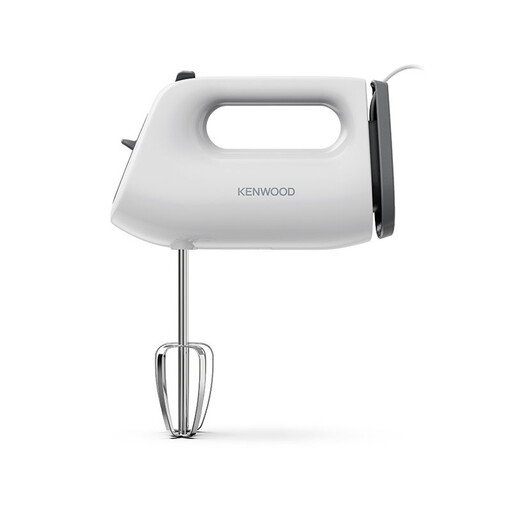 Image unavailable
A compact hand-mixer option for whipping small amounts of mousse filling in a bowl.
The product name specifies 300 W, three speeds and twin beaters. Follow the exact model’s instructions when cleaning the mixer body, and check its operating guidance before extended whipping.
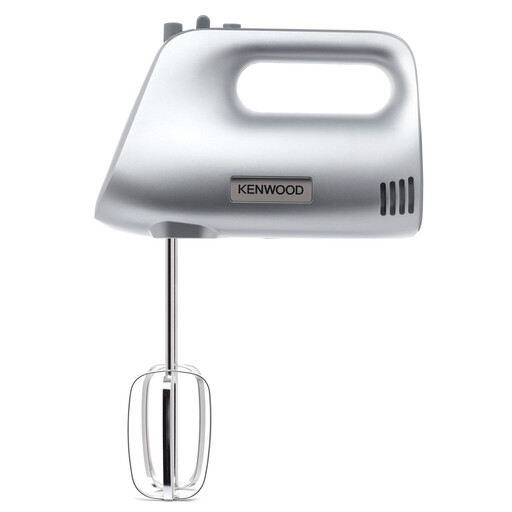 Image unavailable
Consider this hand-mixer format if you want to whip a small batch without setting up a separate bowl-combi appliance.
If a particular number of speed stages or a longer mixing session matters to you, check the HMP30.A0SI instructions before choosing it.
No particular wattage figure guarantees the result you want from a small batch of mousse. Check that the model has suitable whipping tools and speeds you can control; power ratings alone are not a comparison of mousse-making results.
Clean the removable tools and mixer body according to the exact model’s instructions. Breville’s HeatSoft manual permits its specified tools to be washed in hot soapy water or a dishwasher, but says not to immerse the main body, cord or plug; do not assume another model has identical care instructions.
Keep a perishable mousse filling chilled and plan how it will stay cold during transport. NHS children’s food guidance advises cooling prepared food as quickly as possible, ideally within 1–2 hours, then refrigerating or freezing it; Just One Norfolk NHS recommends keeping lunches in the fridge as long as possible on hot days and using cool packs to help keep them cold.
Check the egg type and who will eat the mousse before choosing a raw-egg recipe. The Food Standards Agency says its advice updated in 2017 allows vulnerable groups to consume raw or runny eggs produced within an assurance scheme; confirm the applicable conditions in current guidance rather than assuming every egg or recipe qualifies.