One-off bake-sale sponge maker
You need to cream, mix and whisk sponge ingredients but would rather store a handheld appliance than make space for a stand mixer.


For sponge cake batter, start with a compact hand mixer that has suitable beaters and enough speed control to begin gently and increase speed as needed. If you are making several batches, give more weight to grip and handling; a mixer with a dedicated bowl is worth considering when holding the mixer becomes the main difficulty, provided you have room to store it. Plan how you will clean the tools and keep track of ingredients if the cakes are for sale.
You need to cream, mix and whisk sponge ingredients but would rather store a handheld appliance than make space for a stand mixer.
You expect to mix several bowls of batter, making grip, manageable starts and attachment cleaning important alongside the mixing controls.
You need a workable cleaning routine and accurate recipe and allergen records for the cakes being supplied or sold. Check which food-business requirements apply to your event rather than relying on appliance choice alone.
Check the controls and tools for your sponge recipe first, then weigh up the handling demands of repeat batches and the work of cleaning between recipes.
| Concern | What to check | Who this matters to |
|---|---|---|
| Controlled mixing | Check the included beaters or whisk and whether the exact model can start at a suitably low speed before you increase it. | If loose flour tends to scatter before it is incorporated, I want to start gently without giving up control for later mixing. Around 50% of consumers put controlled sponge mixing first. |
| Repeat-batch comfort | Consider the grip, stated weight and attachment-ejection method; for a bowl-combi, check that its bowl suits your recipe quantities and storage space. | Several batches mean I will be holding the mixer for longer, so handling matters more to me than extra attachments. Repeat-batch comfort is the primary concern for around 33% of consumers. |
| Clean-up and ingredient information | Consult the exact model's cleaning instructions, and keep ingredient records for each cake recipe. | When preparing cakes for other people, I need to clean tools between recipes and give accurate ingredient information. Around 17% of consumers put that preparation work first. |
A motor figure does not tell you how comfortable a mixer will feel or how long your particular batter will take. Which? found differences in mixing time, noise and comfort among the hand mixers it tested.
Compare controls, supplied tools, handling and cleaning arrangements, using independent test results for the specific model where available.
Dough hooks, mixing rods and storage accessories extend a mixer's uses, but also leave more items to store and clean. They need not decide a purchase centred on sponge batter.
Identify the tools your recipes call for before choosing a model with a broader accessory set.
Clean tools do not replace accurate ingredient records or allergen communication when cakes are supplied or sold. Requirements depend on the activity and how the food is presented.
Record the ingredients in each recipe, take care to avoid cross-contact and ask your local authority about the event's food-business status if you are unsure.
Kenwood GB lists the HMP30.A0SI at 450W, while the Joybuy listing for that model states 300W. The discrepancy makes the motor figure a poor basis for choosing that listing.
Check the full model code, stated specification and included accessories before ordering rather than relying on the title alone.
These ranges illustrate different ways to approach sponge mixing; features vary by model, so check the particular mixer you intend to buy.
Kenwood GB lists handheld QuickMix models and a Chefette Compact with a stated 3.5L rotating bowl.
Bosch GB documents handheld models with different controls and handling features.
KitchenAid UK lists a five-speed 5KHM5110 for cake batter and a nine-speed 5KHM9212 with additional tools.
Smeg UK lists the HMF01 with nine speeds, turbo, Smooth Start and three types of stainless-steel accessory.
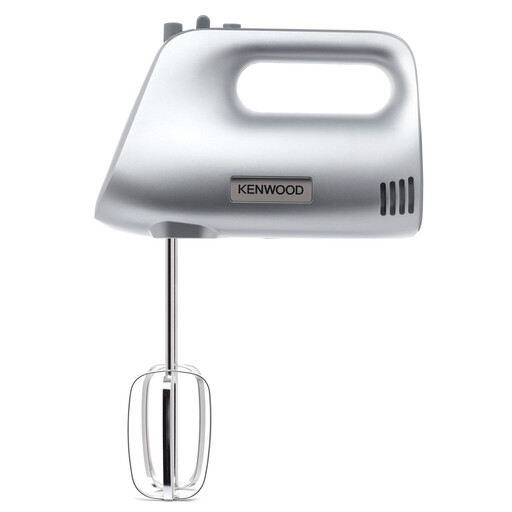
This handheld model is a choice to examine if you want to mix sponge batter without allocating space to a dedicated-bowl mixer. Check its listing details against the manufacturer's information before ordering.
 No image available
A handheld option for mixing sponge batter when compact storage matters. Before choosing it, confirm the supplied tools and speed controls for this listing; its stated motor rating differs from Kenwood GB's figure for the HMP30.A0SI.
A hand mixer can make sponge cake batter: Which? reports that every hand mixer in its tests eventually produced batter. If you expect many batches, decide whether holding a handheld mixer remains comfortable or whether a dedicated-bowl setup better suits your space and routine.
No. A wattage figure alone does not establish mixing speed, comfort or sponge results. Check the exact model's controls and included tools, and compare independent tests where available.
It depends on the activity. GOV.UK guidance for England, Wales and Northern Ireland says that supplying or selling food at a charity or fundraising event may count as operating a food business and may require registration; contact your local authority if you are unsure. In Scotland, consult Food Standards Scotland's event guidance and your local authority about your circumstances.
Keep an accurate ingredient record for every recipe and be ready to communicate allergen information for the cakes you supply or sell. The applicable duties depend on whether the activity is a food business and how the cakes are packaged; check the relevant food authority's guidance for your event.
Only if the cleaning instructions for the exact model and attachments allow it. Check the manufacturer's manual before putting beaters, whisks or other tools in the dishwasher.