Small-batch bake-sale organisers
If you mainly need cream for a few cakes or toppings, look for manageable speed control and tools you can store together. Check the supplied attachments rather than buying a wider set you do not expect to use.


For a bake sale centred on whipped cream, choose a hand mixer with controllable speeds and check whether its exact package includes a whisk or suitable beaters. A compact model may suit small batches and limited storage; if you are also preparing several bowls of batter or icing, give more weight to handling, controls and the supplied attachments. Wattage alone does not establish how quickly or well a mixer will whip cream.
If you mainly need cream for a few cakes or toppings, look for manageable speed control and tools you can store together. Check the supplied attachments rather than buying a wider set you do not expect to use.
If one event means several bowls of cream, batter or icing, consider how the mixer feels to hold, how you change speeds and whether its tools match each mixture.
If you want one handheld appliance for cream and other baking tasks, compare the beaters, whisk and dough hooks supplied with the exact model. Attachment sets differ even within a brand’s range.
Start with the cream-whipping tool and speed controls, then consider the other mixtures you plan to make and where the mixer will live between events.
| Concern | What to check | Who this matters to |
|---|---|---|
| Control while whipping cream | Check the available speeds and whether the exact package includes a whisk or suitable beaters. | When I start with liquid cream, I want to raise the speed without splashing and stop when the texture is right. Roughly 30% of consumers put cream-whipping control first. |
| Repeated baking tasks | Compare the supplied tools, speed or pulse controls and grip against the mixtures and session length you have planned. | Making several cakes means I may move between cream, batter and icing in one session, so comfortable handling matters to me. Around 40% of consumers prioritise that broader baking workload. |
| Storage and simple ownership | Check the mixer’s dimensions, how its tools are stored and the care instructions for the exact model. | If I bake for occasional events, I need a mixer that is straightforward to put away without losing its attachments. About 30% of consumers make compact storage and simplicity their primary concern. |
A motor rating describes an electrical specification, not a measured whipping time or result. Kenwood, Bosch and KitchenAid list different motor ratings and tool designs for the models considered here.
Compare the supplied whisk or beaters, speed controls and handling features against the batches you intend to prepare.
KitchenAid lists a 16-wire whisk with its 5KHM5110BWH, while Kenwood lists beaters and kneaders for the QuickMix Go HMP40.000GY. A brand name or product photo is not a substitute for the exact model’s contents list.
Check the model number and included attachments before ordering if a separate whisk matters to you.
Whipping cream is only part of preparing cream-topped goods for an event. GOV.UK and Food Standards Agency guidance says food supplied at charity and community events must be safe to eat; Food Standards Scotland advises keeping foods normally refrigerated at home cool at the event.
Plan chilled storage and check ingredients for allergens before deciding how the finished bakes will be offered.
Food that needs to stay cool may also require a cool box or bag and ice or frozen packs during the event.
Kenwood’s hand-mixer range includes compact handheld models and a bowl-combi option, so the choice depends partly on how much space and support your preparation routine calls for.
Bosch offers hand mixers for cream and other baking mixtures, with controls and attachments that vary by model.
KitchenAid’s cited handheld models differ in speed count and accessories, making the exact variant important when cream is the main task.
These choices include two conventional hand mixers and three hand blenders supplied with a whisk. For bake-sale cream, decide whether you want a conventional mixer for your wider baking tasks or would also use a blender’s other attachments; check the operating guidance against your planned batch size.
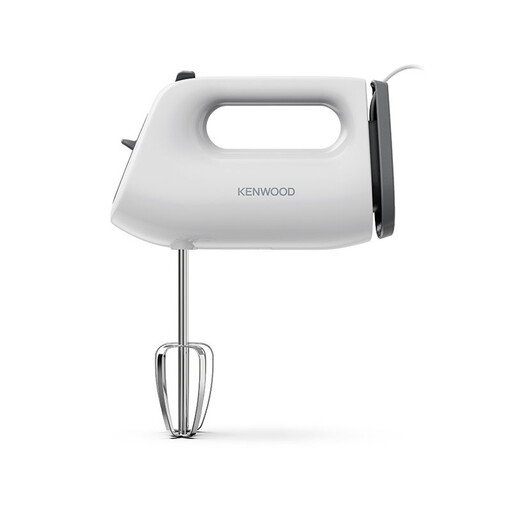 Image unavailable
A conventional hand mixer to consider for cream and straightforward small-batch baking; check its attachments if you specifically want a separate whisk.
300W; three speeds; twin beaters; white.
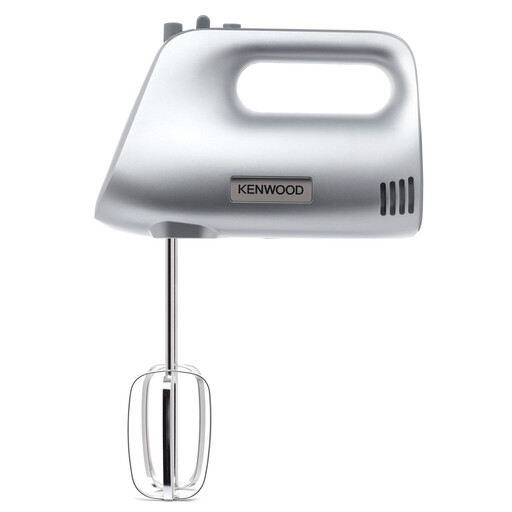 Image unavailable
A conventional hand-mixer option if you also plan to prepare other bake-sale mixtures. Confirm the exact in-box attachments before relying on a dedicated whisk.
Silver finish.
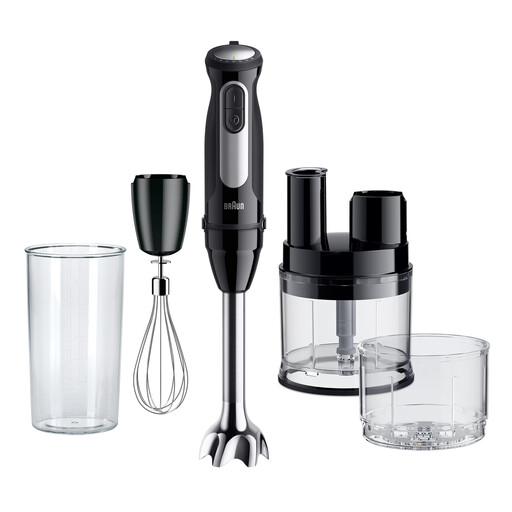 Image unavailable
This is a hand blender with a whisk rather than a conventional hand mixer. Check its whisking and operating guidance against the quantity of cream you intend to prepare.
1000W; whisk, mini food processor and beaker; black.
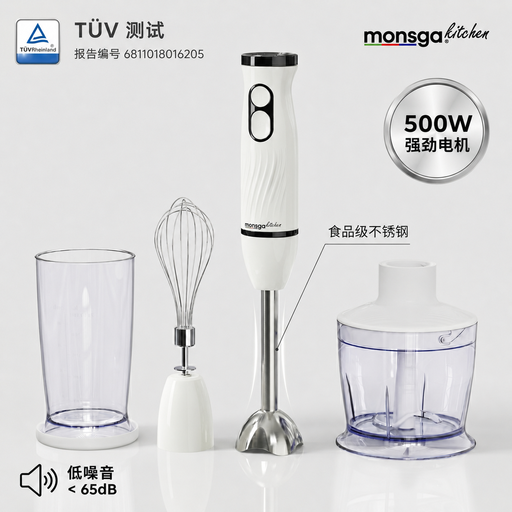 Image unavailable
The whisk makes this stick blender an alternative to consider for cream, though it is not a conventional hand mixer. Check batch-size and continuous-use guidance before planning several bowls.
Normal and Turbo modes; 500mL chopper; 500mL beaker; 1.5m cable; cream white.
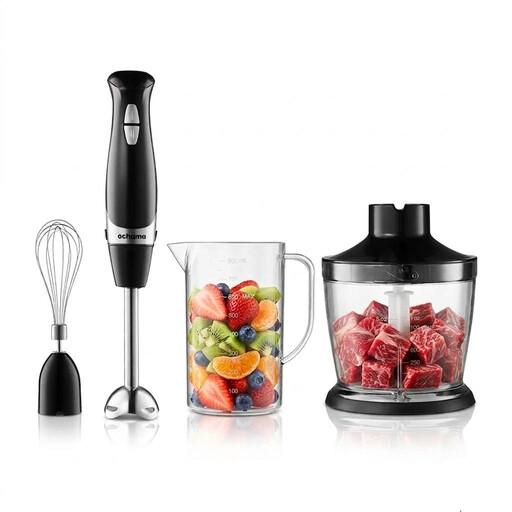 Image unavailable
This immersion blender includes a whisk for cream but works differently from a conventional hand mixer. Check the instructions for your intended cream quantity and preparation schedule.
Two speeds; 500ml chopper cup; 800ml beaker.
Check that the exact mixer has a suitable whisk or beaters and speeds you can control as the cream thickens. Start slowly to limit splashing, increase the speed as needed and watch the texture rather than treating a wattage rating as a result.
A higher wattage rating alone does not tell you how it will whip cream. If you also intend to make batter or icing, compare the model’s tools, controls and handling against those jobs; for a few simple batches, check whether a compact mixer already covers your needs.
Check with your local authority if you are unsure whether the frequency and organisation of your event call for registration. Regardless of registration, GOV.UK and Food Standards Agency guidance says food supplied at charity and community events must be safe to eat.
Identify allergens in every ingredient and check what information you need to give consumers for the way the bakes will be offered. Requirements can depend on the activity and whether the food is packaged; seek local-authority guidance if your position is unclear, and take care to avoid cross-contact during preparation.
Keep food that would normally be refrigerated cool until it is served. Food Standards Scotland advises using a cool box or bag with ice or frozen packs where needed; plan that storage before preparing the cream.