Occasional dessert maker
If you mainly whip cream for desserts or cakes, a compact handheld mixer may suit your routine and storage space. KitchenAid UK describes its 5-speed Classic as intended for small everyday jobs, including whipping cream.


For occasional bowls of whipped cream, choose a hand mixer with several usable speeds and supplied beaters or whisks, then check that it feels comfortable to hold. Consider a dedicated whisk and additional attachments if you regularly make other recipes too; whichever format you choose, watch the cream as it thickens so you can stop at the texture you need.
If you mainly whip cream for desserts or cakes, a compact handheld mixer may suit your routine and storage space. KitchenAid UK describes its 5-speed Classic as intended for small everyday jobs, including whipping cream.
If reaching the right peak stage matters most, look for speed settings you can adjust while watching the bowl. Great British Chefs warns that electric mixers can overwhip cream.
If cream is only one regular task, check which tools come with the exact model. KitchenAid UK lists a whisk and additional attachments on some of its 6-speed and 9-speed hand mixers; those extras are more relevant when you will use them for other recipes.
For whipping cream, decide how much speed control you want before weighing up storage, handling and attachments for other recipes.
| Concern | What to check | Who this matters to |
|---|---|---|
| Control over texture | Look for several selectable speeds and a way to begin gently; pause to inspect the cream as it thickens. | If I need a particular peak stage, I want time to notice when the cream is ready rather than rely on a timer. Around 37% of consumers put texture control first. |
| Compact everyday use | Check the model’s size, grip and space needed to store its tools. | For an occasional dessert, I want an appliance I can hold and put away without fuss; around 27% of consumers chiefly prioritise compact, straightforward use. |
| Other recipes | Check the exact included tool list, particularly whether a separate whisk or dough hooks are supplied. | If I also make batters or other mixtures regularly, I want those tasks covered by the same appliance. Broader recipe use comes first for around 18% of consumers. |
| Handling and tools | Consider published weight, grip and how the tools are released and stored. | When I hold a mixer over a bowl, a comfortable grip and manageable tool changes matter to me; around 18% of consumers make handling their primary concern. |
A motor rating does not tell you how well different models will whip cream. The published Bosch and KitchenAid model specifications describe different controls and tools, not a like-for-like whipping test.
Compare the exact mixer’s speeds, supplied beaters or whisk, and handling alongside its wattage.
A product described as an electric whisk might be a small drink frother rather than a hand mixer with paired beaters or a whisk attachment for a mixing bowl.
Check the product type, included tools and intended use before choosing it for cream.
Great British Chefs identifies overwhipping as a common mistake with an electric mixer; the cream’s texture needs attention as it thickens.
Begin gently, increase speed as needed and pause to check for the peak stage your recipe calls for.
If the cream is overwhipped, you may need to start again with fresh cream.
A separate whisk or dough hooks can broaden a mixer’s uses, but they add little to an occasional cream-only routine.
Choose the included tool set around recipes you make regularly, rather than the number of attachments alone.
Additional tools also need somewhere to be stored.
Kenwood GB lists handheld QuickMix models as well as the Chefette bowl-combi format, giving you a choice between holding the mixer over your bowl and using a rotating bowl.
The Bosch MFQ2420BGB is a conventional handheld option with stated speed and tool-release features.
KitchenAid UK offers a 5-speed Classic for small everyday jobs, alongside models with more supplied tools for other cooking and baking tasks.
These choices include conventional hand mixers for cream and whisk-equipped hand blenders for consumers who also want food-preparation attachments. A hand blender uses a different format, so check whether its whisk suits your bowl and routine.
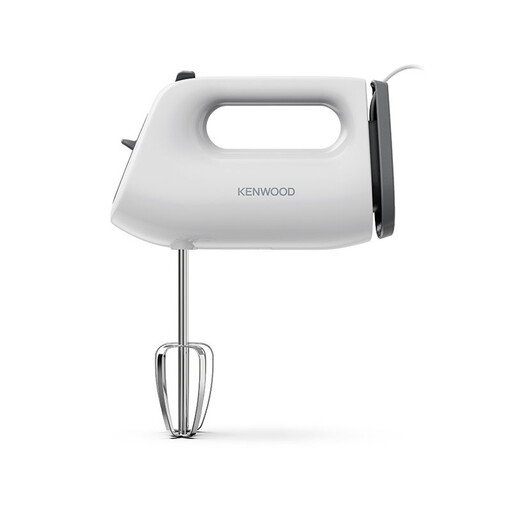 No image available
Consider this handheld model for occasional cream whipping when you want a choice of speeds; check how its gentle start feels in use. Its product name specifies 300 W, three speeds and twin beaters.
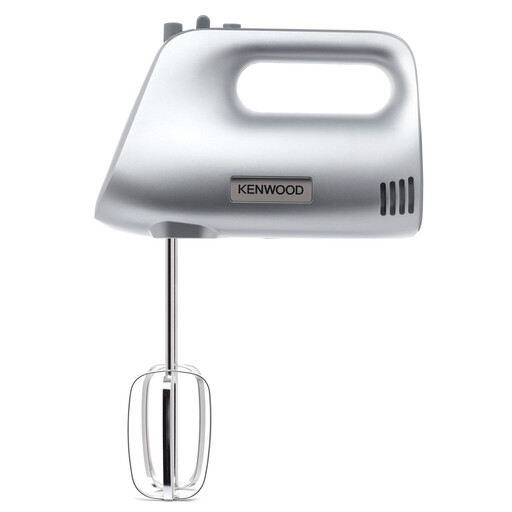 No image available
This handheld format is worth considering if you make cream alongside other mixtures. Check the supplied tools and speed settings for this exact variant, particularly if a gentle start or separate whisk matters to you.
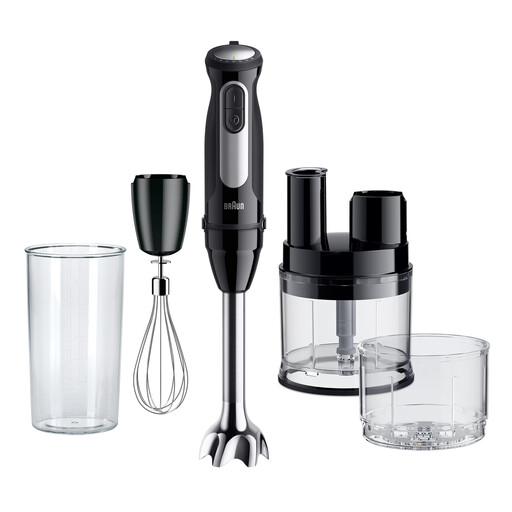 No image available
Consider this hand-blender format if you also want food-preparation attachments, but check whether its whisk suits your cream-whipping bowl. Its product name specifies 1000 W, a whisk, beaker and mini food processor.
 No image available
This is an alternative format if whisking is one of several food-preparation tasks. Its product name lists a beaker, chopper and whisk; check that the whisk and hand-blender format suit the bowl you use for cream.
Start gently and pause to inspect the cream as it thickens, stopping at the peak stage your recipe needs. Great British Chefs warns that overwhipping is a common mistake with an electric mixer.
Wattage alone cannot establish which hand mixer will whip cream better across brands. Compare the exact model’s speed controls and supplied beaters or whisk, as well as whether it suits the other recipes you make.
Choose cream labelled double cream or whipping cream. The cream you use and the peak stage your recipe requires are separate decisions from which hand mixer to buy.
Check your local authority’s small-electrical collection arrangements or available retailer take-back options. GOV.UK describes the UK waste electrical and electronic equipment framework as intended to reduce electrical waste sent to landfill or incineration.