
24/7 Customer Support

Free returns

Same-day & Next-day Delivery

Quality Guaranteed

Unlock Your Welcome Offers: FREE Delivery | Up to 80% OFF | Free 30-day JoyPlus trial
Download the APP
Whether you're a seasoned tradesperson or tackling your first DIY project, selecting the right hand and power tools can be the difference between a job well done and a frustrating, expensive ordeal. The market is flooded with options, and it's easy to fall for marketing hype that promises the world but delivers little. As a Joybuy Product Recommendation Officer, my role is to help you cut through the clutter and focus on what truly matters for your toolkit.
Before you spend a single pound, let's look at the common pitfalls that catch out many UK shoppers. Understanding these traps is the first step to building a collection of tools that are reliable, safe and fit for purpose.
To avoid these issues, you need to look at a few core parameters. These are the non-negotiable specifications that determine a tool's performance and longevity, regardless of the brand name on the side.
The material of a blade or plier jaw is critical. You will often see codes like SK5 or C75 steel, and they are not just marketing terms.
When looking at power tools UK suppliers offer, especially cordless models, the motor type is a key differentiator.
For any saw, the design of the teeth dictates its performance. The most common metric is TPI (Teeth Per Inch).
For circular saw blades, also look for Tungsten Carbide Tipped (TCT) teeth. These are much harder than steel alone, dramatically increasing the blade's lifespan, especially when cutting hardwood or composite materials.
Based on these practical criteria, here are a few tools that align with specific user needs, helping you get the right tool for your job.
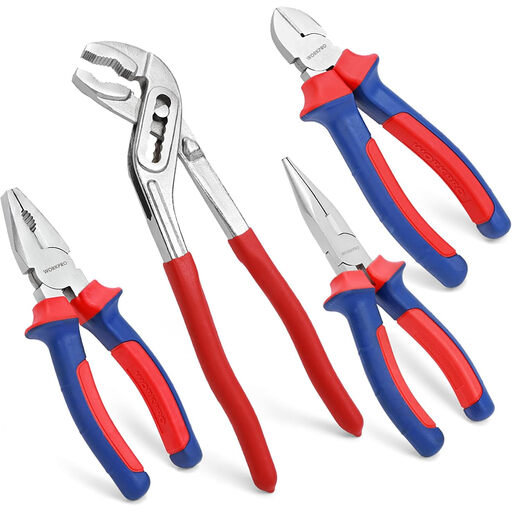
Why This Fits Their Persona: This set provides the four most common types of pliers needed for general repairs, assembly and basic electrical work around the home. It's an affordable, practical starting point for building a useful DIY tool kit.
It sidesteps the "all-in-one kit illusion" by focusing on four essential, quality tools rather than a large set of poor ones. The drop-forged, heat-treated alloy steel construction ensures durability where it counts.
Includes combination, long nose, side cutters and water pump pliers for versatility. The ergonomic, non-slip handles provide comfort and reduce hand fatigue.
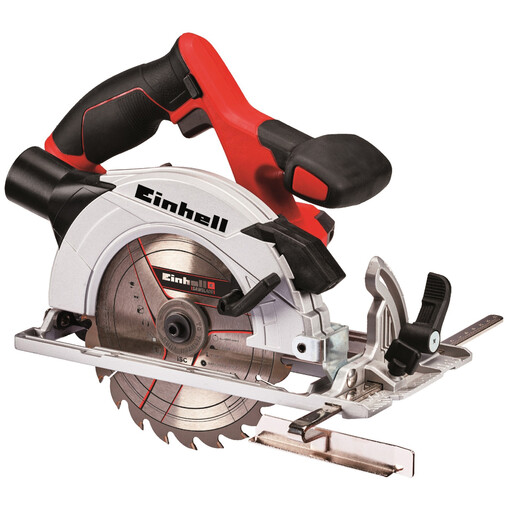
Why This Fits Their Persona: Perfect for the home renovator who needs the freedom to work anywhere without being tethered by a cord. It's ideal for cutting decking, flooring or kitchen worktops.
It solves the "incompatible battery maze" by being part of the Einhell Power X-Change family. One 18V battery can power over 250 different tools, creating a cost-effective and convenient system.
Lightweight and compact design with tool-free adjustments for cutting depth and angle. The LED light and dust extraction port improve accuracy and maintain a cleaner workspace.
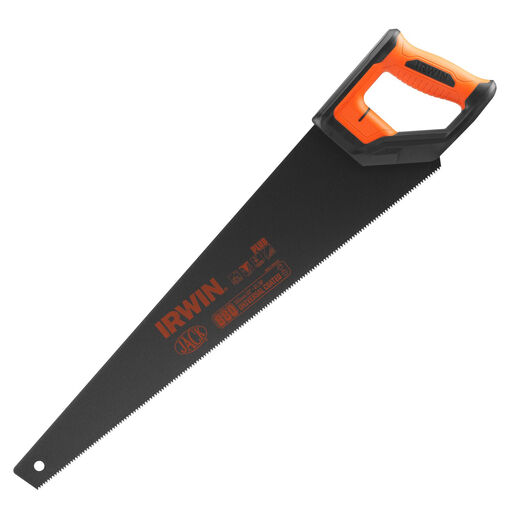
Why This Fits Their Persona: This is a high-performance handsaw for carpenters, builders and other tools for tradesmen who rely on speed and precision daily. It's built to withstand rigorous job site conditions.
It directly counters the "ignoring the business end" pitfall. The focus is entirely on the blade's quality: a C75 steel core, an efficiency-boosting Triple Ground tooth design and a friction-reducing PTFE coating.
Delivers up to 25% faster cutting performance than standard saws. The handle incorporates 90° and 45° guides for quick marking, a practical feature that saves time on site.
We have compiled a complete, real-time list of products that fully satisfy these strict selection criteria and UK safety regulations.
What is the real-world difference between a jigsaw and a circular saw? A circular saw excels at making fast, long and straight cuts in wood and sheet materials, making it essential for framing, decking and breaking down large panels. A jigsaw uses a fine, reciprocating blade designed for cutting intricate curves, circles and other custom shapes. While a jigsaw can make straight cuts with a guide, its primary strength is its manoeuvrability for detailed work.
How long should a cordless power tool battery last? A battery's lifespan is typically measured in charge cycles, with most modern lithium-ion batteries lasting for 500 to 1,000 cycles. The runtime per charge depends on its Amp-hour (Ah) rating—a higher Ah means longer runtime—and the demands of the tool. To maximise its life, avoid storing it in extreme temperatures (like a cold van overnight in winter) and try to store it with a partial charge rather than fully empty or full for long periods.
Is it worth getting hand tools sharpened? It depends on the tool. For high-quality, traditional tools like wood chisels or non-hardpoint saws, professional sharpening is a worthwhile investment that restores their performance. However, many modern handsaws feature "hardpoint" teeth, which are induction-hardened to stay sharp for a very long time but cannot be effectively re-sharpened. For these and for inexpensive tools, it is usually more practical and cost-effective to replace the blade or the entire tool.