
24/7 Customer Support

Free returns

Same-day & Next-day Delivery

Quality Guaranteed

Unlock Your Welcome Offers: FREE Delivery | Up to 80% OFF | Free 30-day JoyPlus trial
Download the APP
Buying hand tools can seem straightforward until a screwdriver slips, a handsaw struggles with timber or a pliers set cannot grip the fitting you need. For UK homeowners, DIY enthusiasts and tradespeople, the right purchase depends less on the number of tools in the box and more on suitability, construction and safe handling.
This guide explains the main buying traps, the specifications worth checking and which hand tools may suit different working habits.
A 100-piece household tool set may sound attractive, but the headline number can include small accessories, duplicate bits or hardware that you rarely use. Before buying, check whether the kit contains the essentials for your projects: screwdrivers, pliers, a hammer, tape measure, level, hex keys and a useful selection of bits.
For occasional furniture assembly or wall hanging, an organised household tool set can be practical. For carpentry, plumbing or mechanical work, dedicated tools with suitable dimensions and materials may be more useful than a very large general-purpose kit.
A handsaw designed for fast cuts in general timber is not necessarily suitable for MDF, plywood or laminate. Similarly, compact pliers may not provide enough jaw capacity for pipe fittings.
Check the intended application, tooth spacing, jaw opening and handle design. A tool that technically fits the job but is poorly matched to the material can produce rough cuts, damaged fasteners or unnecessary hand strain.
An uncomfortable grip becomes more noticeable during repeated work. Poor storage can also lead to lost accessories, damp-related corrosion and damaged cutting edges. Look for non-slip handles, a case or organised packaging and materials suited to the environment in which the tool will be kept.
For UK garages, sheds and utility rooms, keeping tools clean and dry is particularly important. Moisture can affect carbon steel, chrome-vanadium steel and moving adjustment mechanisms over time.
For a general handsaw, blade length affects reach and control. A 550mm blade is suitable for broader cuts, while tooth count influences the finish and cutting behaviour.
An electric handsaw adds motor power and can be useful for repeated cutting across wood, metal or plastic, but it also requires access to a suitable power supply, blade selection and additional safety precautions.
When selecting plumbing tools or water pump pliers, compare the maximum jaw opening with the pipes, nuts and fittings you expect to handle. Serrated jaws can grip round, flat, square and hexagonal shapes, but they should be positioned securely to reduce slipping and surface damage.
A push-button or quick-adjust mechanism can make size changes faster. However, confirm that the locking or adjustment system is fully engaged before applying force. For general maintenance, a two-size pliers set can cover smaller and larger fittings without requiring a single oversized tool.
Common materials include carbon steel, alloy steel and chrome-vanadium steel. Heat treatment and protective finishes may improve hardness and resistance to wear or corrosion, but maintenance remains necessary.
For a starter DIY tools collection, prioritise:
For carpentry tools, a reliable square is also important. Look for clearly engraved metric and imperial scales, a secure adjustment mechanism and a stated accuracy figure. A carpentry square should be used for measuring and marking, not striking or levering.
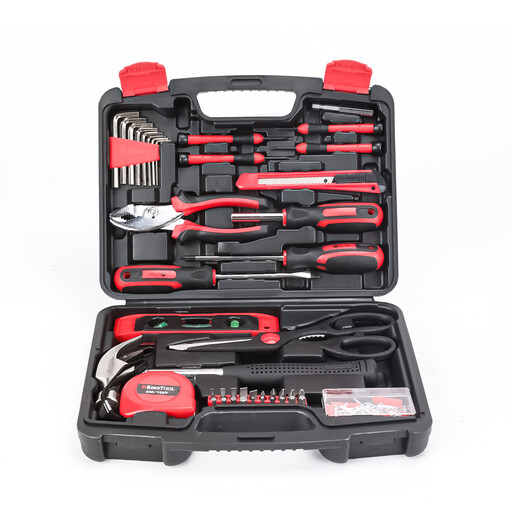
Why This Fits Their Persona: A practical starting point for homeowners, students, offices and new households handling furniture assembly, wall hanging and routine repairs.
The listed contents are specified rather than relying only on the 149-piece headline, with screwdrivers, pliers, a hammer, level, tape measure, bits and hex keys included.
Heat-treated carbon steel, CRV and stainless steel tools are stored in a case with individual slots for organisation.
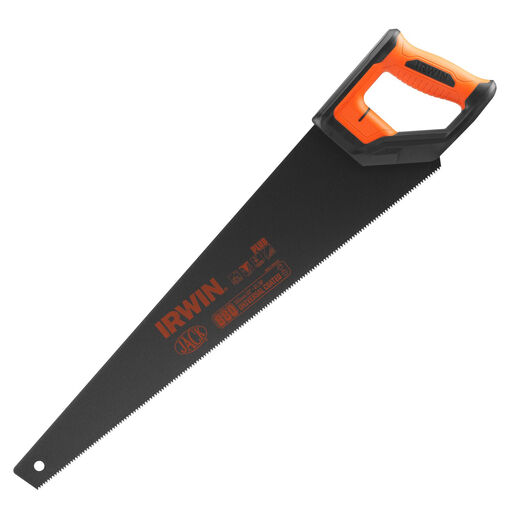
Why This Fits Their Persona: Suits DIY users, builders and tradespeople who want a manual saw for general timber cutting and marking out.
Its stated 8 TPI blade specification provides more useful information than a general “multi-purpose” description, while the PTFE coating addresses friction during cutting.
C75 steel construction, a 550mm blade and integrated 90° and 45° guides support repeated cutting and marking tasks.
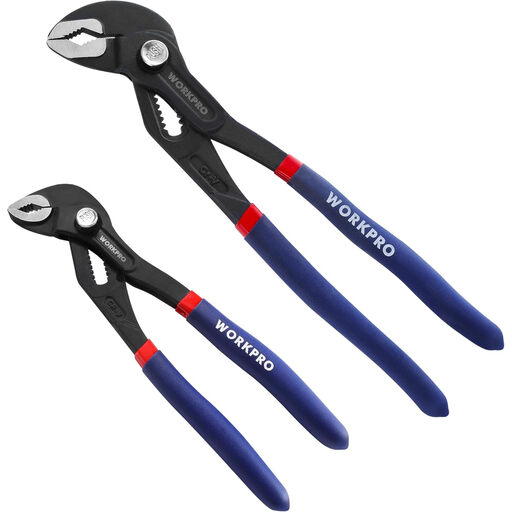
Why This Fits Their Persona: Designed for plumbing, mechanical maintenance and larger gripping tasks where one plier size may not be sufficient.
The set provides 200mm and 250mm tools, allowing the user to match the plier to the fitting instead of forcing one undersized tool.
Heat-treated chrome-vanadium steel, curved serrated jaws and a stated maximum opening of up to 52mm support varied gripping applications.
We have compiled a complete, real-time list of products that fully satisfy these strict selection criteria and UK safety regulations.
Read the supplied instructions before use and select each tool for its intended purpose. Wear eye protection when cutting, drilling or using cutting pliers. Keep hands clear of staple guns and powered blades and disconnect powered tools before changing blades or carrying out maintenance.
After use, wipe away dust and moisture. Lightly oil moving adjustment parts where the instructions allow it and store sharp tools with their edges protected. Do not use tools with cracked handles, damaged insulation, distorted jaws or worn cutting edges.
A useful basic collection includes screwdrivers, combination pliers, side cutters, a claw hammer, tape measure, spirit level, utility knife, hex keys and an adjustable wrench. Add a handsaw for timber and a staple gun for light upholstery or fabric projects if those tasks are likely to arise.
Not always. Occasional household repairs can usually be covered by a well-organised home repair tool kit. Professional tools become more relevant when the tools will be used frequently, exposed to demanding materials or required for trade-specific work such as plumbing, carpentry or electrical maintenance.
Choose the correct size and tool type, avoid excessive force, clean tools after use and store them in a dry case or cabinet. Inspect handles, jaws, blades and adjustment mechanisms regularly, replacing damaged items rather than continuing to use them.