
24/7 Customer Support

Free returns

Same-day & Next-day Delivery

Quality Guaranteed

Unlock Your Welcome Offers: FREE Delivery | Up to 80% OFF | Free 30-day JoyPlus trial
Download the APP
Choosing hand wash and soap looks simple until you compare liquid formulas, soap bars, refill packs, fragrances and sustainability claims. A product that seems economical may contain a small amount in a large bottle, while a “natural” formula may still include fragrance allergens or ingredients unsuitable for your household preferences.
This guide focuses on the details that matter for UK homes, families, offices and refill stations, helping you choose with less guesswork.
Terms such as natural hand wash, “plant-based” and “nature-inspired” describe different things. They do not automatically mean a product is fragrance-free, vegan or suitable for sensitive skin. Essential oils and perfume ingredients can still be unsuitable for some users.
Always check the full ingredient list. If you are looking for an antibacterial-free hand wash, remember that ordinary soap and water are designed for routine cleansing, while antibacterial claims require closer scrutiny. A mild, conventional cleanser may be more appropriate for everyday household use than a heavily fragranced formula.
A 300ml pump bottle is convenient beside a basin, but frequent users may get better practical value from a hand wash refill or a 5L container. Compare the price per 100ml rather than the shelf price alone.
Refills also need suitable storage. A large container can be economical for an office or refill station, but less convenient if it will sit in a warm cupboard or be opened infrequently.
Soap bars can be long-lasting and reduce reliance on plastic bottles, but formulas vary considerably. Perfume, colourants and certain cleansing agents may not suit everyone. A sensitive skin soap should be assessed by its ingredient list, fragrance profile and intended use—not simply by its packaging.
For babies, choose products clearly labelled for the relevant age range and follow the directions and warnings. Stop using any cleanser if irritation occurs and seek appropriate medical advice if symptoms persist.
Look for a complete ingredients list and check for ingredients your household avoids, such as perfume, essential oils, colourants or particular preservatives. For fragrance-sensitive users, an unperfumed option such as a simple soap bar may be easier to assess.
A vegan hand wash should carry a credible vegan certification or clear manufacturer information. “Natural” does not necessarily mean vegan: honey and milk-derived ingredients are examples of animal-origin ingredients that may appear in otherwise nature-inspired products.
Consider where the product will be used:
A dermatological test or approval statement is information supplied by the manufacturer; it should not be treated as a guarantee for every individual’s skin.
Check the net content, dispensing method and storage requirements. A biodegradable soap claim usually refers to the formula, whereas a recyclable bottle concerns packaging. These are separate considerations.
For example, a refill may reduce packaging compared with repeatedly buying small pump bottles, but only if the container is used safely and the refill pack is stored correctly. Look for specific figures, such as a stated percentage of biodegradable ingredients or reduced plastic usage, and confirm the latest information on the product packaging.
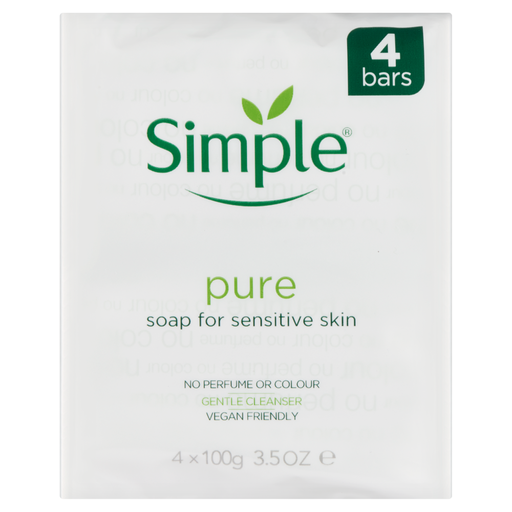
Why This Fits Their Persona: A four-pack provides a practical supply for shared bathrooms, guest rooms or a starter household, without requiring a pump bottle.
It is listed as free from perfume and colour, making the formula easier to assess than a heavily fragranced “natural” product.
Four 100g bars; vegan-friendly formula; listed as 99% biodegradable.
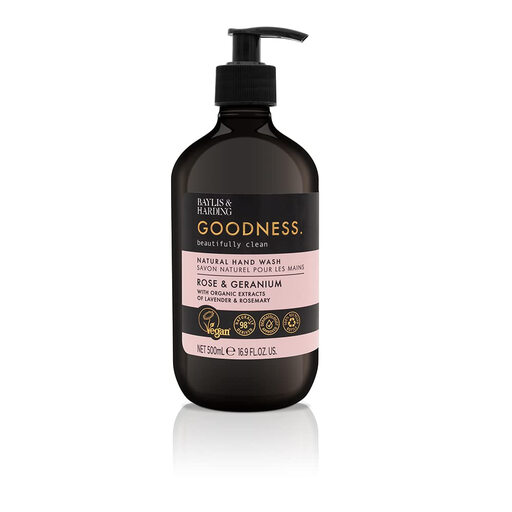
Why This Fits Their Persona: Its 500ml pump format suits a visible cloakroom or main bathroom where scent and presentation are part of the shopping decision.
The product description specifies its naturally derived and biodegradable proportions rather than relying only on broad “natural” wording.
98% naturally derived ingredients; 95% biodegradable formula; vegan certification stated by the product information.
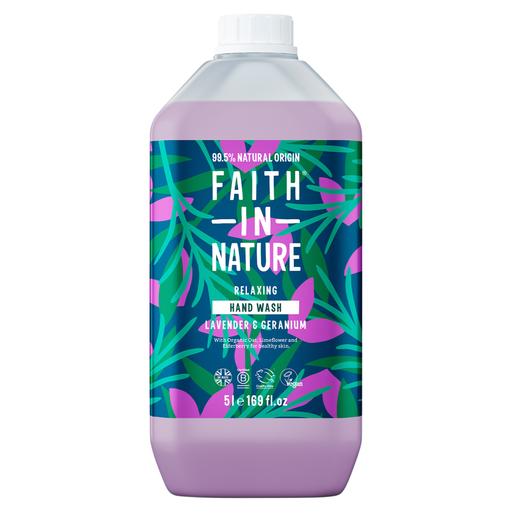
Why This Fits Their Persona: The 5L container is suited to busy UK households, offices, hospitality settings and refill stations with frequent dispensing.
Its clearly stated 5L volume makes it easier to compare running costs with several small bottles before buying.
99.5% natural origin formula stated; free from SLS, parabens, silicones and artificial colours; vegan and made in the UK according to the listing.
We have compiled a complete, real-time list of products that fully satisfy these strict selection criteria and UK safety regulations.
Both formats can support effective handwashing when used correctly. Liquid hand wash is convenient for shared basins and refill dispensers, while a bar should be stored on a draining dish so it can dry between uses. Wash with water, lather thoroughly, clean between fingers and around nails, rinse and dry.
There is no fixed lifespan. A bar’s duration depends on its size, how often it is used and whether it remains wet between washes. A draining soap dish can reduce softening and waste. Compare the total pack weight and expected household usage rather than assuming a larger-looking bar will last longer.
They can be, particularly for high-use households, offices and refill stations, but compare the cost per 100ml and account for storage, dispensing equipment and any product left in the container. A 1L hand wash refill is a manageable middle option for many homes, while a 5L format is more suitable for heavy use.