
24/7 Customer Support

Free returns

Same-day & Next-day Delivery

Quality Guaranteed

Unlock Your Welcome Offers: FREE Delivery | Up to 80% OFF | Free 30-day JoyPlus trial
Download the APP
A handheld garment steamer can be a practical alternative to setting up an ironing board. It is useful for smoothing a shirt before work, refreshing a dress before an evening out or removing travel creases from clothes straight from a suitcase. However, product listings often highlight wattage and attractive design while leaving out details that affect everyday use.
This guide explains the specifications that matter, the common buying traps to avoid and which styles suit different UK households.
A clothes steamer with a high wattage rating may heat quickly, but wattage alone does not tell you how much steam reaches the fabric. Steam output, measured in grams per minute (g/min), is also important. A lower-powered model with a steady steam flow may be more convenient for light touch-ups, while heavier garments can benefit from stronger output.
Look for both figures where available, rather than selecting solely by the largest wattage number.
A compact tank helps keep a portable clothes steamer light, but it may require frequent refilling. This is manageable for one or two garments, yet inconvenient when preparing several work shirts or a full family laundry load.
Conversely, a large garment steamer with water tank capacity can make an appliance heavier and less suitable for travel. Match the tank to your normal routine instead of assuming the largest capacity is automatically more useful.
Steamers can be used on many ironable fabrics, but garments vary in construction, trims and finishes. Check the care label before steaming. Test an inconspicuous area first, keep the appliance moving and avoid steaming clothes while they are being worn.
A steamer for delicate fabrics should still be used according to the manufacturer’s instructions. Hot steam can cause burns, and some materials may react poorly to moisture or heat.
For quick morning touch-ups, a quick heat-up clothes steamer is convenient. Several compact models in this guide are listed with heat-up times of around 30 seconds. The Philips 3000 Series STH3010/76, for example, is specified with 1000W power, approximately 30-second heating and continuous steam of up to 20g/min.
Steam output helps indicate how quickly the appliance can work through creases. For occasional use on lightweight clothing, around 20g/min may be adequate. Heavy cotton, denim or linen generally take more passes, so a standing model with higher output may be more suitable for larger loads.
A 100ml tank keeps a travel garment steamer compact, but it is intended for short sessions. A 260ml tank offers more working time without making the appliance as bulky as a floor-standing unit. Standing steamers can have capacities of 1.8 litres or more, reducing refills during extended use.
Also check the product weight. A handheld device weighing around 1kg may be comfortable for short sessions, but holding it at shoulder height for a long time can become tiring. A stable standing clothes steamer shifts much of the handling to the hose and support frame.
Useful features include:
For UK buyers, confirm the plug type, voltage compatibility and warranty details before ordering. Appliances should be used with a suitable UK power supply and according to the supplied instructions. Empty the tank after use where advised, as standing water can contribute to mineral build-up.
The right choice depends on where and how often you plan to use it. The following recommendations are grouped by practical shopping profile rather than broad performance claims.
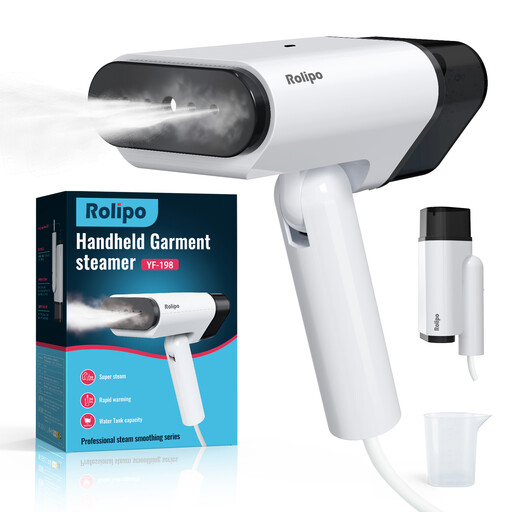
Why This Fits Their Persona: The simple one-button design suits students, first-time buyers and households wanting a straightforward handheld clothes steamer for occasional use at home or in the office.
Its foldable, portable design makes the space and storage requirements clear, while the integrated anti-leak tank addresses a common concern with compact steamers.
Foldable format; one-button operation; designed for home, travel and office use.
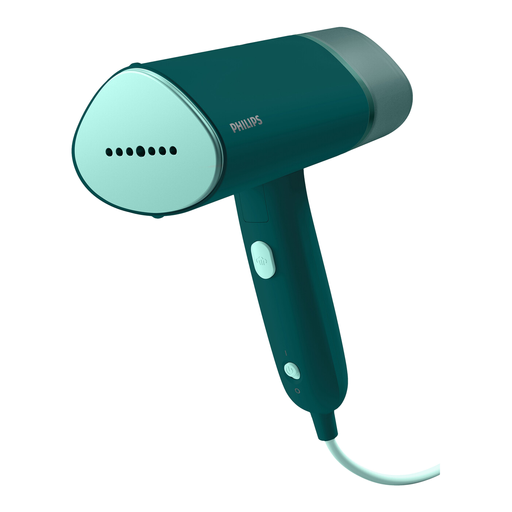
Why This Fits Their Persona: This compact model is suited to professionals and travellers who want a recognisable, easy-to-store appliance for everyday garments and business trips.
The listing identifies it as a compact, lightweight model for ironable fabrics, helping buyers assess it as a touch-up tool rather than a replacement for a high-capacity standing appliance.
Compact handheld construction; suitable for home use and travel; designed for most ironable fabrics.
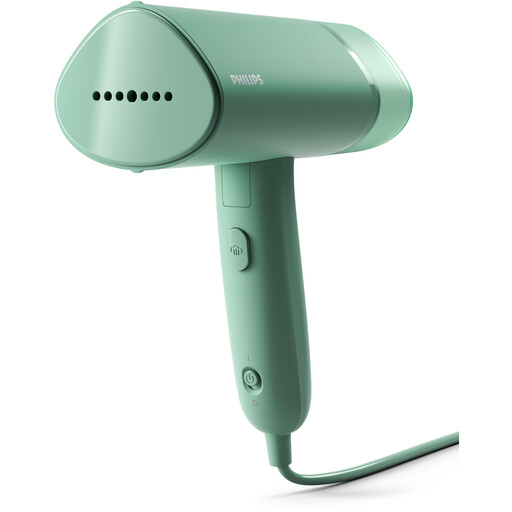
Why This Fits Their Persona: Its foldable frame and supplied storage pouch make it appropriate for holidays, business travel and small flats where storage space is limited.
The 100ml detachable tank keeps the design portable, so expectations are clearer: it is intended for quick outfit touch-ups rather than prolonged steaming.
1000W power; approximately 30-second heat-up; 20g/min continuous steam; 2m cord; storage pouch included.
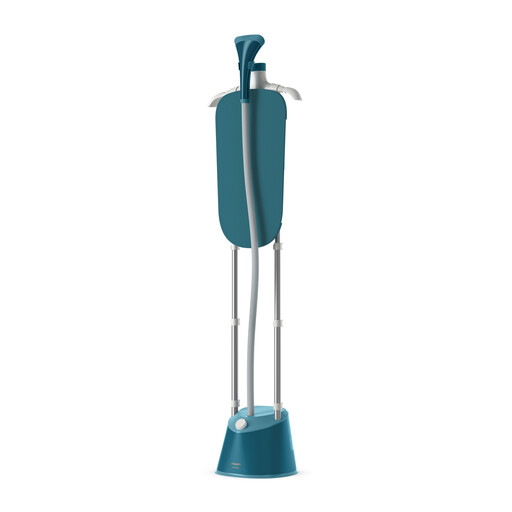
Why This Fits Their Persona: This vertical clothes steamer is suited to households processing several garments at once and users who prefer a supported, upright setup.
The 1.8L detachable tank and integrated StyleBoard make its larger footprint clear, avoiding the expectation that a standing unit will store like a travel steamer.
1800W power; up to 36g/min steam output; three steam settings; 45-second heat-up; hanger, brush and heat-resistant glove included.
We have compiled a complete, real-time list of products that fully satisfy these strict selection criteria and UK safety regulations.
Running cost depends on power rating, session length and your electricity tariff. A 1000W steamer may use less electricity per hour than an 1800W model, but the actual cost depends on how long it operates. Multiply the appliance’s kilowatt rating by the hours used, then apply your tariff per kWh. Short touch-ups typically use less energy than extended steaming sessions.
Lifespan depends on frequency of use, water quality, storage and maintenance. Empty the tank after use if instructed, wipe the steam plate when cool and follow the manufacturer’s guidance for limescale management. Do not continue using a unit that leaks, has a damaged cord or shows signs of overheating.
It can replace an iron for many hanging garments and quick wrinkle-removal tasks, particularly shirts, dresses and jackets. An iron may remain more suitable for sharp trouser creases, collars, cuffs and flat pressing. Choose a handheld model for portability and speed, or consider a standing garment steamer for larger volumes of laundry.