Solo cooks making different meals
If you use cheese in toasties, pasta or baked potatoes, consider whether you would use a block often enough to slice or grate it across several meals. Ready-sliced and grated Cheddar remove those preparation steps.


Choose individually wrapped mini Cheddar when you want to take one piece at a time without opening a larger pack. Cubes suit cold meals, slices suit sandwiches and toasties, and grated cheese suits toppings; a block gives you more ways to prepare it if you expect to use the remainder. Check the exact pack’s date mark, storage instructions and allergen declaration before buying.
If you use cheese in toasties, pasta or baked potatoes, consider whether you would use a block often enough to slice or grate it across several meals. Ready-sliced and grated Cheddar remove those preparation steps.
Individually wrapped mini cheeses let you take a piece without cutting from a block. Pre-cut cubes are another option for cold lunches, though the cubes in a pack are not individually wrapped.
Match the pack size to how often you expect to eat it. For any format, read the date mark and instructions for storing the cheese after opening.
Start with the meal you are making, then check whether the pack format and size fit how often you will use it.
| Priority | What to check | Your needs |
|---|---|---|
| Separate portions | Check the number and size of the pieces, and whether each is wrapped. Tesco lists Cathedral City Minis as six individually wrapped 20 g pieces; Sainsbury’s lists 125 g mature Cheddar cubes. | I want to take a small piece for a snack or lunch without cutting into a larger block. If I choose cubes, I’ll need to store the opened pack as directed. |
| Meal format | Look for slices for sandwiches or toasties, grated cheese for toppings, and a block if you intend to cut or grate cheese for different dishes. | For a toastie, I’d rather use slices; for a pasta topping, grated cheese saves preparation. A block makes more sense when I plan to use it in several ways. |
| Pack and storage | Compare pack weights with your expected use. Read the exact pack’s storage directions and date mark: the Food Standards Agency distinguishes safety-related use-by dates from quality-related best-before dates. | I don’t want an opened pack left over from an occasional meal, so I’ll choose an amount I expect to use and follow its label. |
| Ingredients and suitability | Check the allergen declaration, ingredients and any vegetarian-suitability statement on the exact product. The Food Standards Agency identifies milk as a common ingredient in cheese. | If I’m serving someone with a milk allergy or choosing vegetarian food, I need to check this particular cheese rather than assume its suitability from the category name. |
A small pack can still leave cheese unused if its format does not suit the meals you make; a larger block may be practical if you cook with it regularly.
Decide how you will use the cheese and whether you expect to finish the opened pack while following its storage and date instructions.
Mini portions and cubes avoid cutting for cold meals, but they do not remove the preparation involved in making an even topping or a sandwich layer.
Choose cubes or minis for cold eating, slices for sandwiches and toasties, grated cheese for toppings, or a block for mixed uses.
The Food Standards Agency says a use-by date relates to food safety, while a best-before date relates to food quality. Confusing them can affect how you handle an opened pack.
Read the date mark and storage directions on the cheese you buy rather than applying one rule to every pack.
The Food Standards Agency identifies milk as a common cheese ingredient. Vegetarian suitability also needs checking on the particular product.
Read the exact pack’s allergen declaration, ingredients and dietary-suitability statement, including when changing variants.
These retailer ranges offer different ways to browse cheese formats; check individual product labels and local availability before choosing.
Tesco lists mature Cheddar in mini, block and grated formats.
Sainsbury’s lists individually wrapped Mini Babybel and 125 g mature Cheddar snacking cubes.
Asda has a cheese snacks and lunchbox category, including a Mini Babybel mix-pack listing.
M&S lists Cheddar in block, sliced and grated formats, including mild British Cheddar slices.
Waitrose has a hard-cheese browsing category and a wider cheese range that includes grated Cheddar and bite-sized snacks.
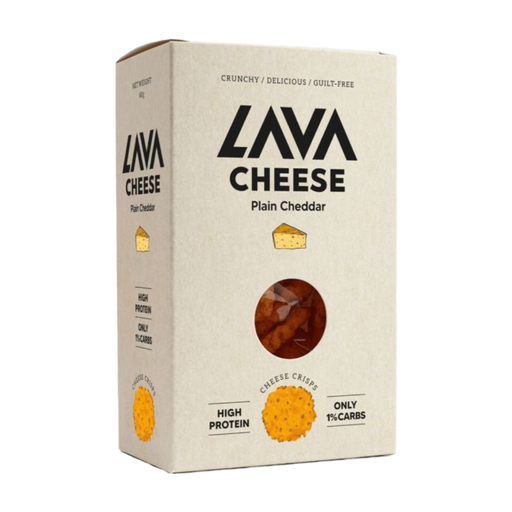
This Joybuy option is a ready-to-eat cheddar snack for eating without slicing or grating, rather than a block, slices, cubes or grated cheese for preparing meals.
 No image available
A 60 g cheddar snack for eating without cutting or grating. It is a crisp snack rather than a slice or grated cheese for meal preparation. If you plan to use the pack over several occasions, check its serving and storage information; also read the allergen declaration on the exact pack.
Individually wrapped mini portions suit occasional cold meals or snacks when you want to take one piece at a time. Cubes are another ready-cut option, but follow the pack’s directions after opening; choose a block if you expect to cut or grate it across several meals.
Grated Cheddar removes a preparation step for toppings, slices work for sandwiches and toasties, and a block can be cut or grated for different dishes. Choose according to the meals you expect to make and how you will store any remainder.
A use-by date relates to food safety, according to the Food Standards Agency; a best-before date relates to quality. Follow the date mark and storage instructions on the particular pack.
Check the exact product’s allergen declaration and ingredients before buying or serving it. The Food Standards Agency identifies milk as a common ingredient in cheese, so do not assume a hard cheese is suitable.
Check the vegetarian-suitability statement and ingredients on the exact pack rather than assuming all hard cheeses are suitable. Listings for some snack cheeses state vegetarian suitability, but that does not establish it for another product or variant.