Families packing lunches regularly
Compare a block you can cut across several lunches with individually portioned cheese. Check the chosen pack’s storage directions as well as its weight.


For a secondary-school packed lunch, choose hard cheese by pack weight, portion format and the pupil’s flavour preference rather than treating “4 pint” as a cheese-pack size. Minis offer fixed-size portions; a block can be cut for several lunches but needs storage according to its label. Check the exact pack’s milk declaration and the school’s allergy arrangements before packing it.
Compare a block you can cut across several lunches with individually portioned cheese. Check the chosen pack’s storage directions as well as its weight.
The Food Standards Agency identifies milk as a common ingredient in cheese. Check the exact pack and the school’s arrangements, particularly when a child or classmate has a milk allergy or intolerance.
A mature or vintage Cheddar may suit that preference. NHS lunchbox guidance suggests using less of a stronger-tasting cheese; flavour preference still varies by pupil.
Start with the amount you intend to pack, then compare formats, label details and the school’s requirements.
| Priority | What to check | Your needs |
|---|---|---|
| Portion and nutrition | Check the pack weight, intended serving and nutrition figures on the same basis. Tesco Mature Cheddar lists 6.5 g saturates per 30 g; School Food Matters’ 20–30 g hard-cheese guide is for primary-school lunches, not a secondary-school rule. | I want to decide how much cheese to pack rather than using the pack size as the serving size. |
| Milk and school rules | Read the exact pack’s allergen declaration and the school’s current policy. England’s Department for Education guidance says allergy-safety planning should consider food brought from home, including packed lunches. | I need to know whether the cheese and its labelling fit my child’s and school’s allergy arrangements. |
| Format and storage | Compare fixed-size minis with a block you cut yourself. Waitrose lists Cathedral City minis at 6 x 20 g; Tesco lists a 700 g Mature Cheddar block that should be refrigerated and kept in an airtight container after opening. | On busy mornings, a fixed-size portion may be simpler; for repeated lunches, I can cut portions from a block if I can store it as directed. |
| Pack description | Compare cheese using its stated weight and format. If “4 pint” appears in your shopping requirements, establish what item or quantity it describes before using it to filter cheese. | I want to compare the cheese I mean to buy, without confusing its pack weight with a volume measure. |
Cheddar listings from Waitrose and Tesco describe blocks and minis by weight. A volume-based filter could lead you away from the cheese formats you intended to compare.
Clarify whether “4 pint” refers to another item, a cheese weight or a number of portions.
The Food Standards Agency identifies milk as a common ingredient in cheese. England’s Department for Education guidance also includes packed lunches in school allergy-safety planning.
Read the chosen pack’s milk declaration and follow the individual school’s current arrangements.
A 700 g block contains enough cheese to cut into multiple portions, but its total weight does not tell you how much to put in one lunch. Tesco Mature Cheddar lists 6.5 g saturates per 30 g serving.
Decide the amount to pack, then choose between cutting a block and buying fixed-size portions.
Tesco warns that ingredients, nutrition and allergen information can change. A saved listing may therefore differ from the pack you buy.
Check the physical pack’s label, use-by date and storage instructions each time.
These examples show formats worth comparing; check the details of the individual pack you choose.
Tesco lists a 700 g own-label Mature Cheddar block, a format that can be cut for repeated lunches.
UK grocery listings include Cathedral City Cheddar in a 350 g Vintage block and 6 x 20 g Mini Mature portions.
Waitrose lists Essential Cheddar in several strengths and block, grated and sliced formats, including 350 g, 550 g and 750 g packs.
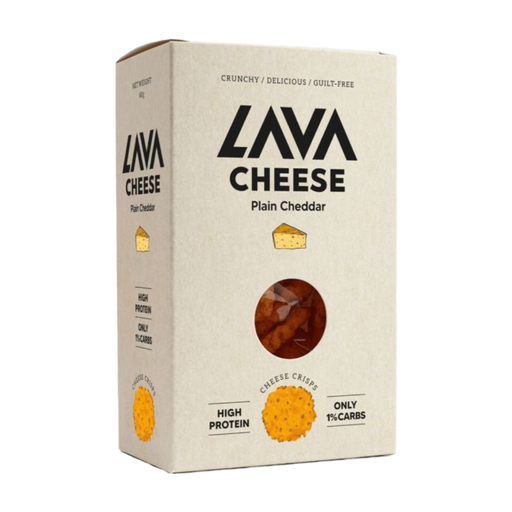
This 60 g Cheddar snack is a different format from the blocks and minis discussed above. Check its serving information and storage directions when deciding whether it fits a school lunchbox.
 No image available
This Cheddar snack comes in a 60 g pack. Before putting it in a secondary-school lunchbox, check the pack for its intended serving, milk declaration and storage instructions; the full pack weight should not be assumed to be one serving.
Yes. The Food Standards Agency identifies milk as a common ingredient in cheese. Read the exact pack’s allergen declaration and follow the school’s current arrangements; England’s Department for Education guidance says packed lunches should be considered in allergy-safety planning.
Use the cheese pack’s stated weight and format instead. The Tesco and Waitrose Cheddar examples are listed in grams, while a pint measures volume. Clarify what “4 pint” refers to before treating it as a cheese requirement.
Decide on a portion in the context of the whole lunch rather than treating a block or snack pack as one serving. School Food Matters gives 20–30 g as a hard-cheese guide for primary-school lunches; that is not a prescribed amount for secondary-school pupils. Check the chosen product’s serving and nutrition information.
No. A product page can help you compare options, but check the physical pack when you buy. Tesco warns that ingredients, nutrition and allergen information may change.
Follow the directions for that block. Tesco Mature Cheddar says to keep it refrigerated and store it in an airtight container after opening. Check the chosen pack and the school’s lunchbox storage arrangements before packing a portion.