
24/7 Customer Support

Free returns

Same-day & Next-day Delivery

Quality Guaranteed

Unlock Your Welcome Offers: FREE Delivery | Up to 80% OFF | Free 30-day JoyPlus trial
Download the APP
For UK homes with kitchens, pets, children or frequent muddy footprints, a hard floor cleaner can reduce the effort involved in daily maintenance. However, the right choice depends on the type of mess, floor material and amount of hands-on cleaning you are prepared to do.
Marketing descriptions can make every machine sound suitable for every home. In practice, several common buying traps can lead to disappointing results.
A high suction figure may help collect dust, crumbs and pet hair, but it does not automatically remove dried spills or marks. A robot vacuum with a wiping function may maintain a floor between deeper cleans, while an electric mop or washer can deal more directly with wet dirt.
Consider whether you need:
Not every hard floor cleaner is suitable for every surface. Unsealed wood, unglazed tiles and floors with vulnerable joints may be damaged by excess water, heat or unsuitable cleaning products.
Check the manufacturer’s instructions before use. Machines in this guide are intended for various sealed hard floors, including tile, laminate, vinyl, stone and sealed wood, but suitability still depends on the specific finish and installation.
A cleaner that leaves dirty water, damp rollers or a full dustbin after every use may become inconvenient. Look for practical features such as:
These details often affect how regularly you will use the appliance.
A conventional hard floor mop is suitable for quick spot cleaning and usually has a low purchase and running cost. A cordless hard floor cleaner that washes and collects debris in one pass can be more convenient for wet and dry messes, although it requires battery charging and tank maintenance.
For laminate and sealed wood, controlled water application is important. A precision hydration system or adjustable water flow can help prevent floors becoming unnecessarily wet. Always wipe up standing water and follow the flooring manufacturer’s care instructions.
Cordless models are easier to move between rooms, but battery runtime varies. For example, the Dyson Clean+Wash Hygiene Hard Floor Cleaner lists up to 35 minutes, while the Bissell SpinWave lists up to 20 minutes per charge. Actual runtime can change according to cleaning mode, floor conditions and usage.
Robot models are more suitable for routine coverage when you are away from home. The MonsgaClean MS1 MAX lists up to 180 minutes of runtime, automatic recharging and resume cleaning. Check the charging dock dimensions and leave a clear route to it.
A small tank may be adequate for a flat or quick kitchen clean, but larger homes can require refilling. If you are considering a robot vacuum and mop, compare the dustbin, water tank and station capacity. The MonsgaClean model includes a 4.0-litre self-emptying station, while the Lubluelu SL60D uses app-controlled vacuuming and mopping without the same stated automatic dust collection arrangement.
For manual cleaning, a microfibre mop and bucket with clean-and-dirty water separation can reduce the need to repeatedly rinse in the same water.
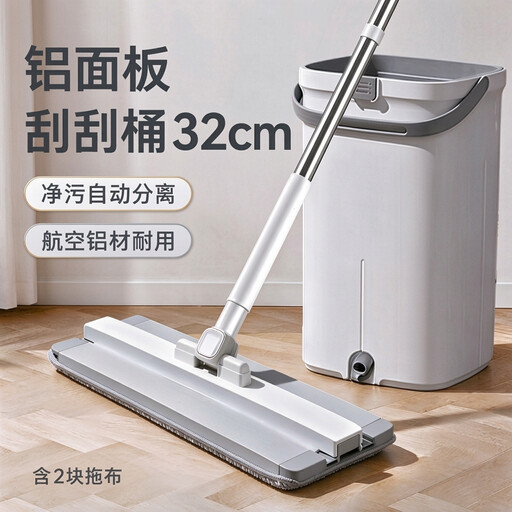
Why This Fits Their Persona: A practical option for tenants, smaller homes and shoppers who want a straightforward laminate floor cleaner without batteries or electrical components.
The dual-compartment bucket separates fresh and dirty water, helping avoid repeatedly rinsing the pad in used water.
32cm microfibre head, hands-free wringing and a slim profile for cleaning beneath furniture.
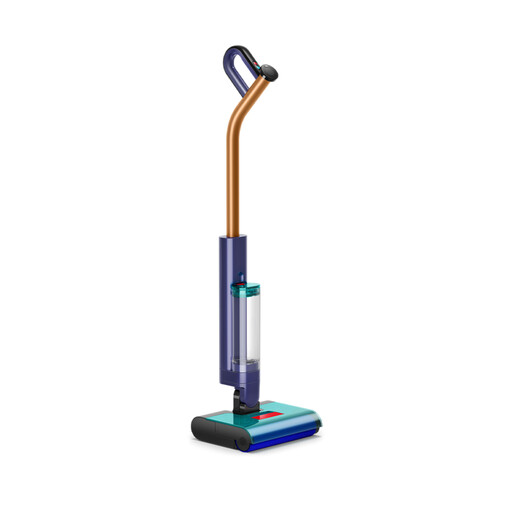
Why This Fits Their Persona: Designed for busy families and pet owners who want cordless washing and debris collection in a single pass across sealed floors.
It uses separate clean and dirty water tanks and includes a self-cleaning cycle for the internal system and rollers.
Motorised microfibre rollers, removable tanks and listed runtime of up to 35 minutes.
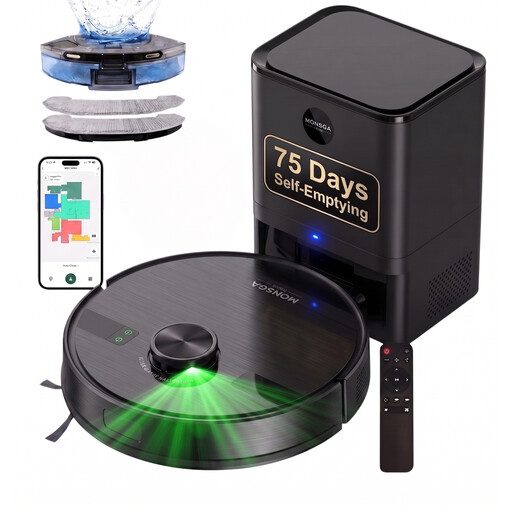
Why This Fits Their Persona: Suitable for larger or multi-room homes where scheduled cleaning, pet hair collection and reduced daily emptying are priorities.
LiDAR mapping, multi-floor maps and automatic dust collection address coverage and maintenance issues often overlooked with robot cleaners.
Listed 9000Pa suction, 4.0-litre station, app, remote and voice control, plus up to 180 minutes of runtime.
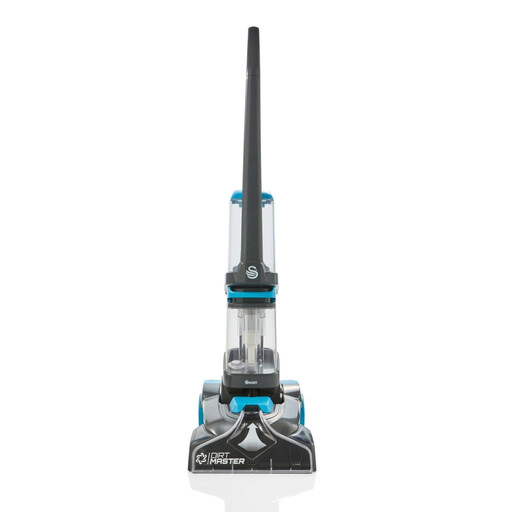
Why This Fits Their Persona: A corded option for households that prefer water-only steam cleaning and a separate polishing function for suitable sealed floors.
Its stated 25-minute continuous steam time and 0.6-litre tank make the operating limits clearer than vague “deep clean” descriptions.
1300W boiler, approximately 30-second heat-up and separate scrubbing and polishing pads.
We have compiled a complete, real-time list of products that fully satisfy these strict selection criteria and UK safety regulations.
A hard floor cleaner’s ongoing cost includes electricity, replacement rollers or pads, cleaning solution and, for robot models, dust bags or filters. A manual mop has fewer consumables, while a cordless appliance uses rechargeable battery power and may need replacement parts over time.
After each use:
Do not use an appliance to collect burning objects, sharp fragments or unsuitable liquids. Robot cleaners should not be used to pick up wet dust or spills unless the product instructions specifically allow it.
Many appliances are designed for sealed laminate, but moisture control is essential. Use the lowest suitable water setting, avoid leaving puddles and follow the flooring manufacturer’s guidance. Steam should only be used if the floor and appliance instructions specifically permit it.
Running costs depend on electricity use, battery charging, replacement parts and cleaning products. A steam floor cleaner uses water and electricity but may need pad replacements. A cordless model may use less water during individual cleans, but its battery and rollers are maintenance items. Compare the full care requirements rather than the purchase price alone.
Choose a robot vacuum and mop for scheduled routine cleaning, floor mapping and reduced daily involvement. Choose an electric mop for closer control over spills, marks and high-traffic areas. Many households use a robot for regular dust and pet hair collection, then keep a hard floor mop or washer for more focused cleaning.