
24/7 Customer Support

Free returns

Same-day & Next-day Delivery

Quality Guaranteed

Unlock Your Welcome Offers: FREE Delivery | Up to 80% OFF | Free 30-day JoyPlus trial
Download the APP
Choosing Hardys Australian red wine can be straightforward, but the range includes several grape varieties, alcohol strengths and pack formats. A bottle that suits a weekday pasta dish may not be the right choice for a barbecue or a larger gathering.
This guide explains what to check before buying, how Hardys Merlot, Hardys Shiraz, Cabernet Sauvignon and blended styles differ, and when a 75cl bottle or red wine case deal makes more practical sense.
“Australian red wine” describes a broad category rather than one flavour profile. Wines from South Eastern Australia may be made from Merlot, Shiraz, Cabernet Sauvignon or a blend, with noticeable differences in fruit character, tannin and body.
A Merlot is often selected for its softer, rounder style, while Shiraz commonly offers ripe berry flavours with spice. Cabernet Sauvignon can provide firmer structure, and a Cabernet Merlot blend may sit between approachable fruitiness and a more structured finish.
Terms such as “rich”, “smooth” or “bold” are useful indicators, but they do not replace practical information. Check the grape variety, alcohol by volume (ABV), bottle size, country of origin and allergen information before placing an order.
For example, the available Hardys products range from 11% ABV to 13.5% ABV. That difference affects the number of UK alcohol units in a bottle, even though each bottle contains the same 75cl volume.
A red wine case deal can reduce the cost per bottle and provide a convenient home supply, but only if you have enough cupboard or wine-rack space and expect to use the bottles. Most everyday Australian reds in this selection are intended to be enjoyed young rather than stored for extended ageing.
Keep unopened bottles in a cool, dry place away from direct sunlight. Once opened, follow the product label’s instructions; resealing and refrigerating the bottle can help preserve its drinkable quality for a short period.
Use the grape as a starting point when planning a wine food pairing:
Pairing is a guide rather than a rule. Personal taste, sauce strength and cooking method can make as much difference as the grape variety.
Check the ABV percentage and the stated units per bottle. The listed Hardys products include:
The UK Chief Medical Officers recommend that adults do not regularly exceed 14 units of alcohol per week. Alcohol is for adults aged 18 and over; it should not be consumed during pregnancy, and responsible drinking guidance should be followed.
A standard 75cl red wine bottle generally provides several servings, depending on the pour size. Review the label if you need information about calories, carbohydrates or ingredients. The listed wines contain grapes and sulphur dioxide or sulphites, and some product labels may include additional allergen information.
If you or a guest has a sulphite sensitivity or another dietary concern, check the current packaging and product listing before buying.
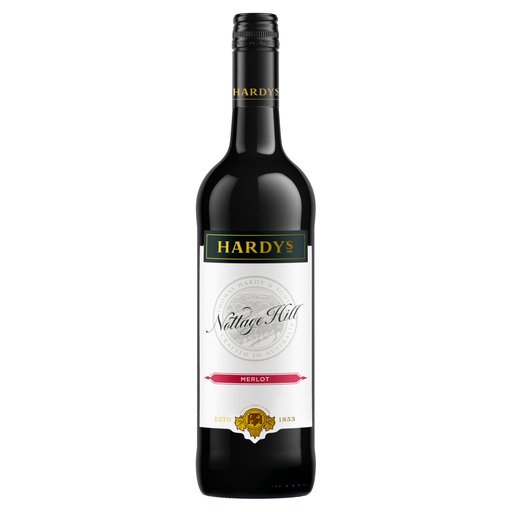
Why This Fits Their Persona: A 75cl bottle with 11% ABV suits shoppers seeking an approachable red for a relaxed meal without moving straight to a higher-strength style.
The listing clearly states the bottle size, 11% ABV and approximately 8.3 UK units, making comparison easier than relying on vague tasting language alone.
Merlot grape variety; listed notes include cherry, plum, blackcurrant, oak and vanilla; suitable for pasta, roasted meats and cheeses.
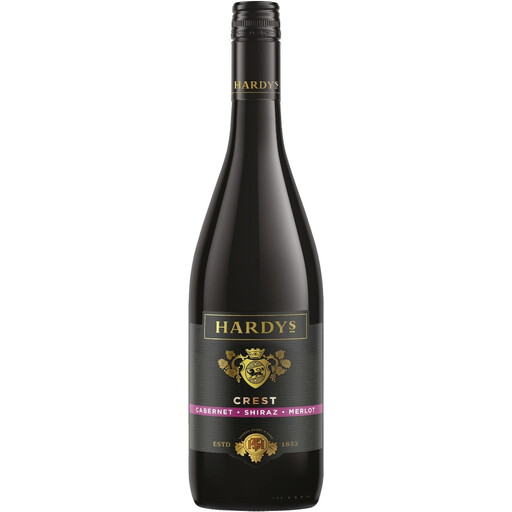
Why This Fits Their Persona: A multi-grape blend offers a dinner-table option for shoppers who want dark-fruit character and more structure for entertaining or gifting.
Its varietal composition, 75cl size and 13.5% ABV are specified, so buyers can assess the style and strength before ordering.
Contains Cabernet Sauvignon, Shiraz and Merlot; listed pairing suggestions include steak, lamb, beef stew and mature cheese.
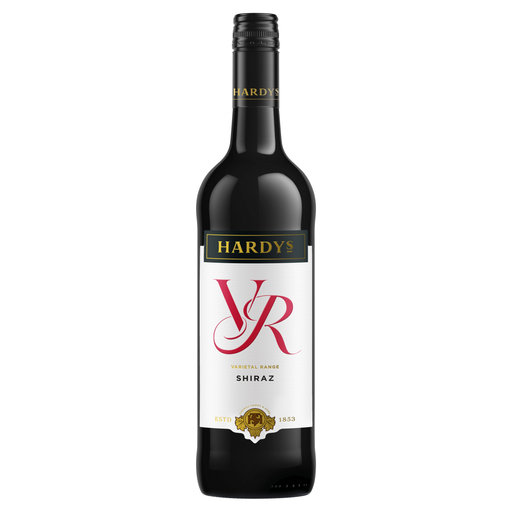
Why This Fits Their Persona: This is suited to shoppers looking for a fuller-flavoured Shiraz for grilled food, hearty pasta or informal gatherings.
The product information identifies the grape as Syrah, gives the 13.5% ABV and states the sulphite allergen clearly.
Listed notes include ripe berries, spice and subtle oak; the bottle is made in Australia from grapes sourced in South Eastern Australia.
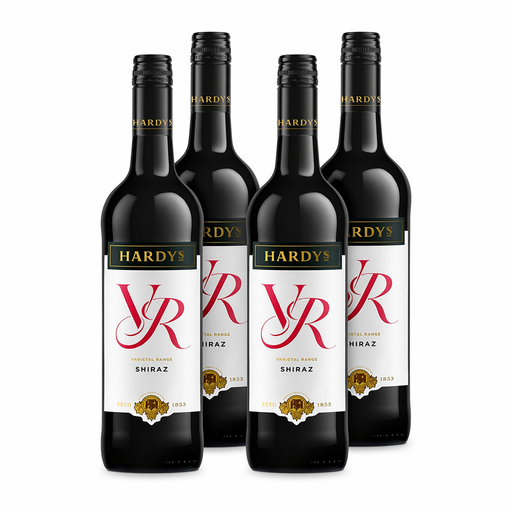
Why This Fits Their Persona: A case format is practical for households that regularly serve red wine, host guests or want bottles available for barbecues and dinners.
Buying a case only makes sense when the grape style is already suitable for your household; this option uses the same Shiraz profile as the single-bottle listing.
75cl bottles; 13.5% ABV; suitable for grilled meats and hearty pasta; storage and allergen details are provided in the listing.
We have compiled a complete, real-time list of products that fully satisfy these strict selection criteria and UK safety regulations.
Serve according to the style and bottle guidance. A Merlot may be enjoyable slightly cool or at room temperature, while a Shiraz or Cabernet blend can suit a hearty meal when served according to the label instructions.
After opening, reseal the bottle and refrigerate where the product information recommends it. Avoid leaving wine in direct sunlight or near a heat source. Always check the bottle for the latest storage, allergen and safety information.
Yes, the range includes styles suited to common UK meals. Merlot can accompany pasta, roasted dishes and cheese, while Shiraz and Cabernet-based blends can work with grilled meat, barbecue food and richer stews. Choose based on the grape variety and the strength of the dish.
The listed Hardys Merlot offers a softer fruit-led profile, with cherry, plum and blackcurrant notes described for the Nottage Hill bottle. Hardys Shiraz is described with ripe berry, spice and subtle oak notes and is listed at 13.5% ABV for the Varietal Range bottle. These are general style differences; serving preference remains personal.
A case may offer a lower per-bottle cost, but compare the total price, delivery terms and quantity before ordering. It is financially practical only when you have suitable storage and expect to drink the selected style within its recommended timeframe.