
24/7 全天候客户支持

免费退货

当日/次日达

品质保障

开启新人专享福利: 全场免邮 | 低至 2 折 | 免费试用 30 天 JoyPlus 会员
下载 Joybuy
Pollen can turn an ordinary day into a cycle of sneezing, itchy eyes and a blocked nose. However, choosing hay fever relief is not simply a matter of picking the product with the largest “fast-acting” claim on the front of the pack. The right option depends on your symptoms, age, health circumstances and how frequently you need to use it.
This guide explains the main buying pitfalls, the product details worth checking and suitable options for different households. Always read the label and patient information leaflet before using an over-the-counter medicine or medical device.
Antihistamine tablets can help with symptoms such as sneezing, a runny nose, itchy eyes and hives. They may not provide the same targeted support for a severely blocked nose as a decongestant nasal spray. Conversely, a nasal spray may not address skin itching or watery eyes.
Identify your main symptoms first:
Many modern antihistamines are marketed as non-drowsy antihistamine options, but individual responses vary. Cetirizine, loratadine and acrivastine products can still cause sleepiness or dizziness in some people. Do not drive, cycle or operate machinery until you know how a medicine affects you.
Alcohol may also increase drowsiness with some products. Check the leaflet, particularly if you are taking other medicines or need to remain alert at work.
A decongestant nasal spray can be useful for short-term congestion, but longer use than stated on the label may cause rebound congestion. This can leave you relying on the spray even after the original allergy symptoms have eased.
Check the active ingredient and maximum duration. For example, products containing xylometazoline or oxymetazoline nasal spray have specific usage limits. Do not exceed the stated dose or continue treatment beyond the recommended period without speaking to a pharmacist or doctor.
The active ingredient often tells you more than the front-of-pack description. Common UK hay fever medicine ingredients include:
Combination products may include an antihistamine and a decongestant. These can be convenient when congestion is a major symptom, but they may not be suitable for people with certain conditions or those taking particular medicines.
Compare whether you need:
Never take more than the stated amount. Products containing pseudoephedrine have additional restrictions and warnings, including precautions for some people with high blood pressure, heart conditions, glaucoma or thyroid problems.
Age limits differ considerably. Some products are intended for adults and children aged 12 years and over, while a nasal inhaler may be suitable from age six. Check the exact pack and leaflet rather than relying on a general assumption.
Also look for:
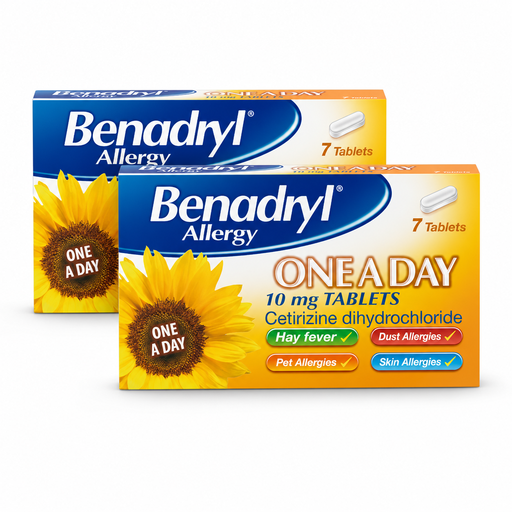
Why This Fits Their Persona: A straightforward choice for adults and adolescents aged 12 and over seeking a once-daily tablet format for seasonal or year-round allergy symptoms.
The 10mg cetirizine ingredient and one-tablet-per-24-hour direction make the dosing routine clear. It does not pretend to be a nasal decongestant, so shoppers can add targeted treatment only if needed.
Contains cetirizine dihydrochloride 10mg; the pack information lists use for allergic rhinitis and chronic hives.
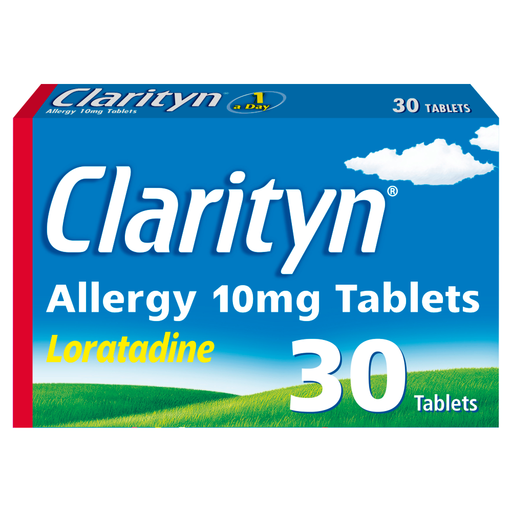
Why This Fits Their Persona: The 30-tablet format suits shoppers who prefer a larger supply for recurring seasonal or perennial allergy symptoms.
Its key specification is clearly stated as loratadine 10mg. The product information also flags lactose and advises checking suitability for children, pregnancy, breastfeeding and certain medical conditions.
Once-daily format; suitable for listed allergic rhinitis and hives indications, subject to the pack directions.
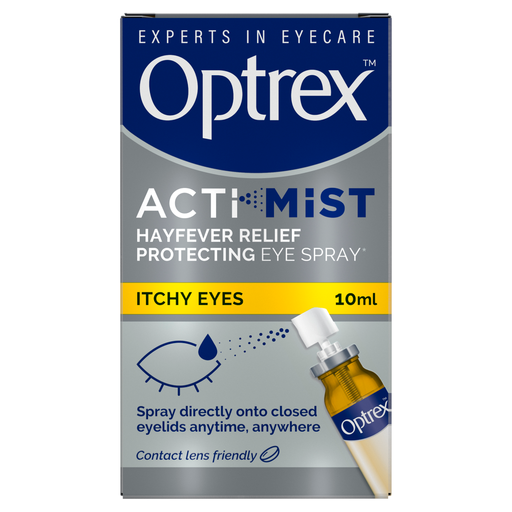
Why This Fits Their Persona: Designed for shoppers whose main problem is itchy, sore or watery eyes during pollen exposure, including those who wear contact lenses.
It is a local eye-spray format rather than a tablet marketed for every symptom. The stated directions involve spraying onto closed eyelids, helping users avoid direct application into an open eye.
Preservative-free formulation stated on the product information; up to 100 applications per bottle are listed.
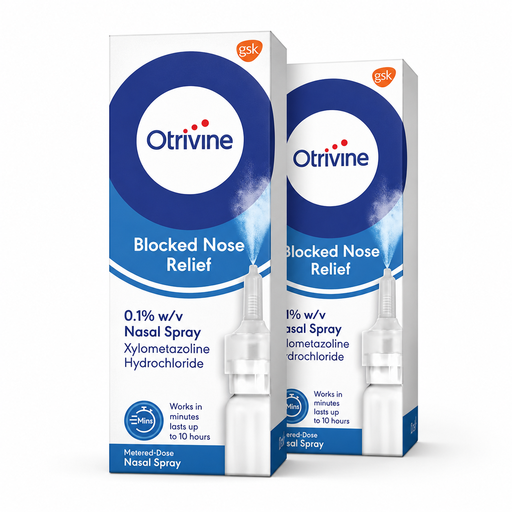
Why This Fits Their Persona: A metered-dose spray for adults and children aged 12 and over who mainly need temporary relief from a blocked nose caused by allergies, colds or sinusitis.
The product specifies xylometazoline hydrochloride 0.1% and states a maximum of seven consecutive days, making the short-term nature of the treatment clear.
Metered-dose delivery; directions state one spray in each nostril, up to three times daily if needed.
We have compiled a complete, real-time list of products that fully satisfy these strict selection criteria and UK safety regulations.
Acrivastine capsules are presented as fast-acting options in the supplied product information, while nasal decongestant sprays are intended for targeted blocked nose relief. The most suitable choice depends on your symptoms and personal suitability. Check age restrictions, drowsiness warnings and the leaflet before use.
Not indefinitely. Follow the individual product’s maximum duration. Some sprays should not be used for more than three consecutive days, while others state a limit of seven days. Continuing beyond the recommended period can lead to rebound congestion.
Products containing loratadine or cetirizine are commonly described as non-drowsy or less sedating for many users, but no medicine should be assumed to have the same effect on everyone. Acrivastine may also cause drowsiness in some people. If symptoms continue, worsen or are accompanied by breathing difficulty, seek medical advice.