Households keeping a local archive
If you scan household receipts periodically and mainly use one computer, a clear folder structure and a routine for making a second copy may matter more to you than transfer speed.


Choose an external HDD for a mainly desk-based receipt archive when local capacity matters more to you than transfer speed; consider a portable SSD if you regularly carry the archive and want the features stated for a particular model. Either way, check how you will encrypt sensitive scans, open them on every required computer and keep a separate local copy.
If you scan household receipts periodically and mainly use one computer, a clear folder structure and a routine for making a second copy may matter more to you than transfer speed.
If you move business receipts between work locations, an accountant or multiple computers, check portability, access on each computer and how the drive is protected. HMRC's self-employed record guidance also makes retention time part of your archive plan.
Receipt scans may contain names, addresses or payment details. If the drive could be lost or stolen, consider encryption and how you will keep its password or recovery information safe; the Information Commissioner's Office identifies encryption as a way to protect stored personal information.
Consider it when: Your receipt archive stays mainly at a desk and you want room for years of local files.
Allow for: A desktop model needs a fixed place and its own power supply; check the arrangement of the particular drive you choose.
Consider it when: You carry the archive regularly and a particular model's compact design or stated protection features meet your needs.
Allow for: Ruggedness claims have conditions and do not replace a separate copy; check the exact model's warranty terms.
| Concern | What to check | Who this matters to |
|---|---|---|
| Protecting personal data | Check the exact drive's encryption feature or a suitable operating-system method, then test how it unlocks on required computers. | If my scans contain personal details and I might lose the drive, I want the files protected from someone who finds it. Around 33% of consumers put that protection first. |
| Capacity over time | Allow for archive growth and a separate local copy; compare the capacities of the particular drives you are considering. | Years of receipts need somewhere I can keep them locally without repeatedly reorganising the archive. For around 25% of consumers, room for a growing collection is the primary concern. |
| Carrying the archive | Check the model's stated drop and ingress ratings, their conditions and warranty limits. | When I take the archive between locations, I need a drive I can carry while recognising that damage or loss is still possible. Portability and physical protection come first for around 25% of consumers. |
| Access on each computer | Confirm the file system, connector and encryption workflow on every computer that must open the scans. | If I use more than one computer, I need to open and update my receipts on each one. Around 17% of consumers place straightforward access first. |
A drive's backup features do not by themselves establish that stored files are encrypted. The Information Commissioner's Office identifies encryption as protection for stored personal information, particularly if a device is lost or stolen.
Check the exact model's encryption method or whether your operating system can encrypt it, and keep password or recovery information securely apart from the drive.
The file system and encryption method affect which computers can open an archive. Apple identifies ExFAT as Windows-compatible and warns that encrypting an external device through Mac Disk Utility requires erasing it first.
Decide which computers need access, copy existing files elsewhere before any required erase, and test a few scans on each computer before moving the archive.
Copying files away and setting up the drive takes time before the archive is ready to use.
Samsung and SanDisk state drop and ingress protection for particular portable SSDs under specified conditions. Samsung says liquid, dust and drop damage are not covered under the cited T7 Shield warranty terms.
Keep another independent local copy and periodically check that files can be opened from it.
HMRC says self-employed records must normally be kept for at least five years after the 31 January submission deadline for the relevant tax year. Its VAT guidance notes that detailed rules and retention periods can differ.
Identify the record type and the obligations that apply to you before setting a deletion date.
Seagate's cited Backup Plus Portable and Expansion Portable HDD ranges are relevant to a local archive where capacity and a straightforward file-storage routine are priorities.
Samsung's cited T7 Shield portable SSD is relevant when you expect to carry a receipt archive and want to assess a particular model's stated connection and protection features.
SanDisk's cited Extreme Portable SSD is relevant if you want to assess a model with a stated built-in encryption feature for a mobile archive.
These HDD and SSD choices cover stationary, portable and frequently carried ways to store scanned receipts locally. Choose the form that fits where you use the archive, then check access, encryption and your second-copy routine.
 No image available
Consider this portable HDD if you want to keep a receipt archive on a drive you can move between locations.
Capacity: 2TB. Check how you will encrypt sensitive scans, open them on each required computer and maintain a separate local copy.
 No image available
Consider this portable SSD if your local receipt archive travels and you want to assess its security setup before storing sensitive files.
Capacity: 4TB; USB Type-C and USB 3.2 Gen 2x2 are stated in the product name. Test file access and any chosen encryption method on every computer you intend to use.
 No image available
Consider this portable SSD if you carry receipt scans between locations and its stated protection features suit your handling needs.
Capacity: 1TB; USB 3.2 Gen 2 is stated in the product name. Samsung states IP65 and a 3m drop claim for the T7 Shield under controlled test conditions, while excluding liquid, dust and drop damage from the cited warranty terms. Check encryption setup and keep a separate local copy.
 No image available
Consider this portable HDD when room for a growing local receipt archive is a priority.
Capacity: 4TB; USB 3.0 is stated in the product name. Before saving sensitive scans, confirm a suitable encryption method and test the intended file format on your computers.
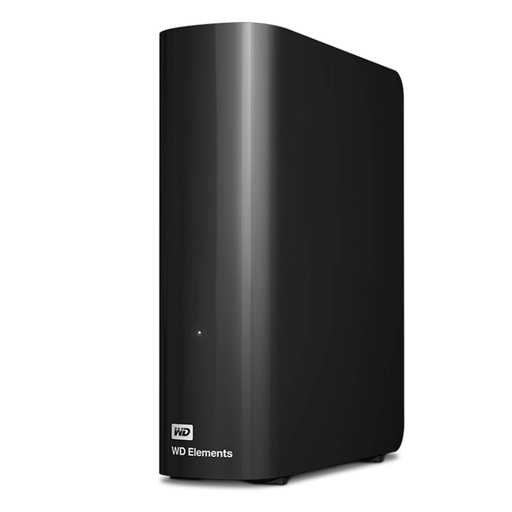 No image available
Consider this desktop HDD for a mainly stationary receipt archive rather than one you regularly carry.
Capacity: 10TB. Plan a suitable encryption method, test access on the computer you will use and keep an independent local copy.
For UK self-employed records, HMRC says you must normally keep records for at least five years after the 31 January submission deadline for the relevant tax year. VAT rules and other circumstances can differ, so confirm the period for your status and record type before deleting files.
Digital record-keeping may be possible, but do not assume every paper original can be discarded. HMRC's VAT Notice 700/21 distinguishes record types and describes requirements for records forming part of an electronic account; check the notice and your accounting workflow before relying only on scans.
Consider encryption if the scans contain personal information, particularly when the drive may be lost or stolen. The Information Commissioner's Office identifies encryption as effective protection for stored personal information; also make sure you can manage the password and recovery process.
Check the particular file system and encryption method before relying on access from both systems. Apple identifies ExFAT as Windows-compatible, while its Mac Disk Utility procedure for encrypting an external device requires erasing the device first; test opening and updating a few files on every required computer.
Keep a separate independent local copy rather than relying on one physical drive. Periodically open files from that second copy so you know you can retrieve receipts if the main drive is unavailable.