Listeners distracted by office chatter
If nearby conversations obscure quieter vocals or fingerpicked guitar, look for adjustable noise control and a way to hear colleagues or announcements without raising the music volume.


Start with closed over-ear headphones with adjustable active noise cancellation (ANC) if office chatter makes quiet vocals and guitar passages hard to follow. Choose controls that let you hear your surroundings when needed, and consider multipoint connection if you switch between a work computer and phone; fit and your preferred sound balance still need a personal check.
If nearby conversations obscure quieter vocals or fingerpicked guitar, look for adjustable noise control and a way to hear colleagues or announcements without raising the music volume.
If vocal phrasing and the balance of acoustic instruments matter most, look for tonal controls and try familiar recordings. A sound mode that suits one track may not suit another.
If music plays from your computer but calls arrive on your phone, check multipoint support, call controls and how quickly you can hear someone speaking nearby.
Choose when: You mainly listen at a desk and want ear-covering headphones while working around chatter.
Bear in mind: They are bulkier than earbuds, and you may need ambient mode or to remove them for conversations and warning sounds.
Choose when: A less bulky option matters more to you than an over-ear fit.
Bear in mind: Tip fit is individual, so check comfort and isolation before relying on earbuds throughout a working day.
| Concern | What to check | Who this matters to |
|---|---|---|
| Office noise | Try adjustable ANC at a comfortable volume, and check how easily you can switch to ambient sound. | When chatter masks quiet passages, I want less distraction without turning up the music. Around 36% of consumers may put noise control first. |
| Acoustic detail | Try familiar vocals and guitar with EQ available; check whether optional sound processing can be turned off. | If an altered sound balance buries a singer’s phrasing, I want to adjust it myself. Around 29% of consumers may prioritise tonal control. |
| Long-session comfort | Check fit over an extended session and compare battery ratings for the listening mode you expect to use. | For hours at a desk, I need a fit I can tolerate without frequent charging interruptions. Comfort and uninterrupted use may come first for around 21% of consumers. |
| Calls and devices | Confirm multipoint support for the exact model and try its microphone with your usual meeting software. | When a phone call interrupts music on my computer, I want to switch without repeated pairing. Around 14% of consumers may make work-device and call convenience their main concern. |
Noise cancellation can reduce distraction, but it does not make extended loud listening safe. The World Health Organization recommends well-fitted, noise-cancelling headphones as one way to reduce the urge to raise volume in noisy surroundings.
Begin at a comfortable low level, take listening breaks, and use ambient mode or remove the headphones when you need to hear your surroundings.
USB-C describes the connector, not digital-audio support for every headphone and computer combination. Bose specifies USB audio for QuietComfort Ultra Headphones (2nd Gen) with compatible source devices and files.
If wired desk listening drives your choice, confirm support for the exact headphone, computer and cable before buying.
Manufacturer playback ratings can change with settings such as ANC or immersive processing, so headline figures need not describe the mode you will use at work.
Compare ratings under the same listening settings and plan how you will charge during longer desk sessions.
EQ, personalisation and immersive modes offer different ways to adjust playback; their presence does not establish which presentation you will prefer for acoustic folk.
Try familiar tracks with vocals and quieter guitar passages, switch optional processing on and off, and check the fit at the same time.
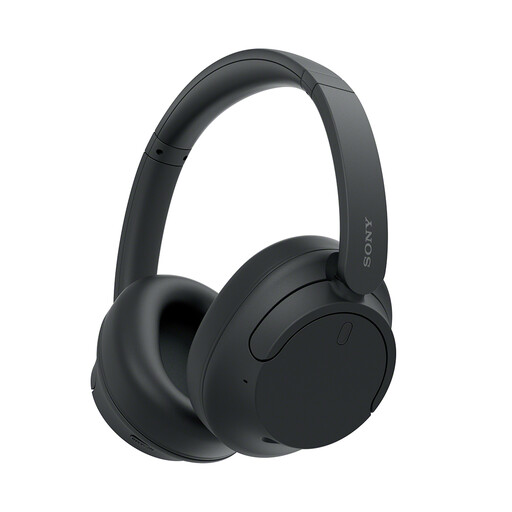
The WH-1000XM6 is a reference point for closed over-ear ANC with device switching and an optional wired connection.
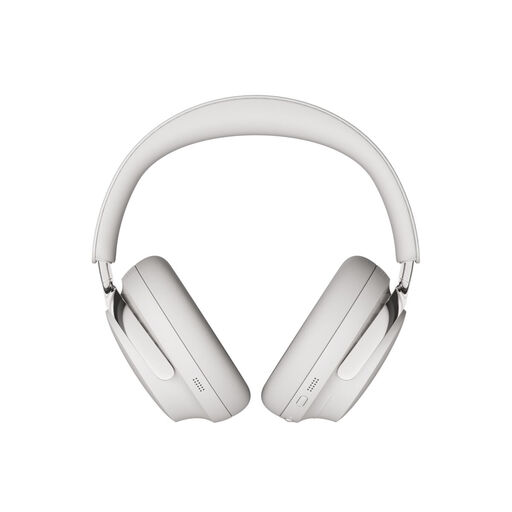
QuietComfort Ultra Headphones (2nd Gen) are relevant if adjustable noise control and wired USB-C listening from a compatible computer matter to you.
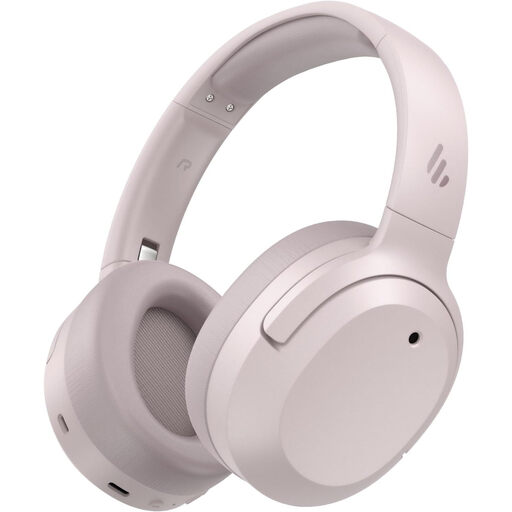
ACCENTUM Plus Wireless is relevant if app-based tonal adjustment and a long manufacturer-rated battery life are priorities.
These choices include over-ear noise-cancelling headphones for desk listening and an in-ear alternative for consumers who prefer a less bulky fit. Check awareness controls, comfort and device compatibility against your own working day.
 No image available
Consider this over-ear model if office noise is your main obstacle to following quieter music. Check its fit with familiar recordings and make sure you can hear colleagues or announcements when necessary.
 No image available
Consider this over-ear model if a wired desk-listening option matters alongside noise control. Bose specifies USB-C audio for compatible source devices and files; confirm that your computer and cable work with the exact model before relying on that connection.
 No image available
Consider this over-ear noise-cancelling model for desk listening, then check how its fit and tonal balance suit familiar acoustic tracks. If hearing nearby speech without removing the headphones is important, confirm the awareness controls before choosing it.
 No image available
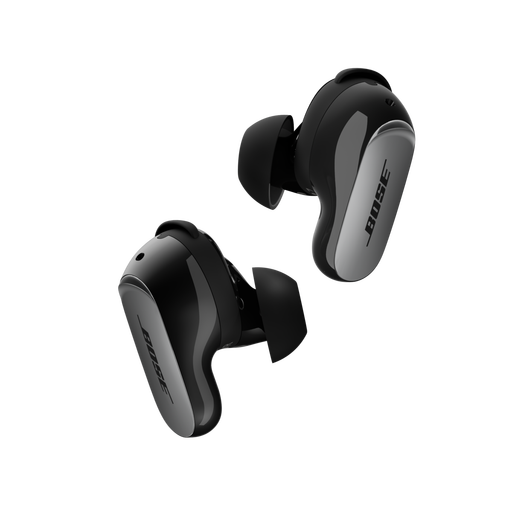
Consider these noise-cancelling earbuds if you prefer an in-ear fit to over-ear headphones. Check whether the tips stay comfortable and how charging fits around an uninterrupted desk session; use an awareness setting or remove the earbuds when you need to hear workplace signals.
 No image available
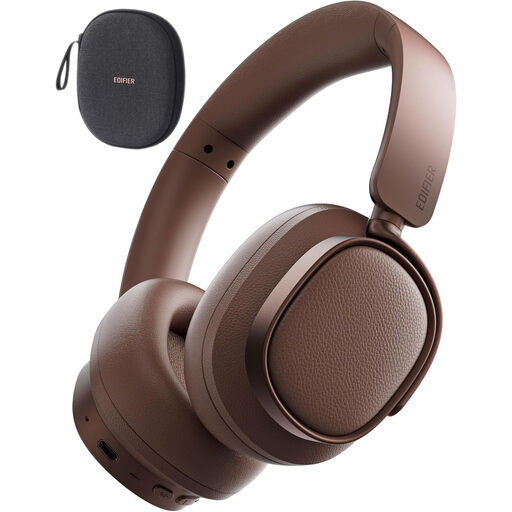
Consider this over-ear model if you want noise control while listening at your desk. Check the exact variant and its battery rating for your intended mode, as well as the awareness and device-switching controls you need; assess comfort with familiar recordings.
Check your employer’s rules and whether your work requires you to hear colleagues, instructions or warning sounds. The Health and Safety Executive cautions that isolation can make communication and warning signals harder to notice; use ambient mode or remove the headphones when awareness is necessary.
Try well-fitted noise-cancelling headphones at a comfortable low volume rather than increasing playback to compete with chatter. The World Health Organization recommends noise cancellation to reduce the need to raise volume in noisy situations; take listening breaks and stay aware of your surroundings when work requires it.
Faulty goods bought from a UK retailer may be covered by statutory remedies under the Consumer Rights Act 2015, separately from any voluntary warranty or change-of-mind returns policy. Keep your order details and contact the seller about the fault; the remedy depends on the circumstances.
Use an appropriate electrical-equipment recycling route rather than putting wireless headphones in ordinary household waste. GOV.UK explains that waste electrical and electronic equipment is regulated; check your local authority or retailer’s collection arrangements for headphones with a rechargeable battery.