Who needs which headphones?

Focused learners at a busy pitch

If you study while seated near conversation or campsite activity, closed over-ear headphones with noise cancelling offer a way to reduce distraction. Look for an ambient mode if you also need to hear someone speaking to you.

Campers who need to stay aware

If you follow a lesson while walking around camp or setting up, an open-ear design leaves more surrounding sound audible. Nearby noise may, however, compete with quiet course dialogue.

Listeners with limited charging access

For several days away from mains power, compare playback time in the mode you will actually use, along with charging options and how the headphones pack for travel.

What matters when choosing?

Closed noise-cancelling over-ear headphones

Choose when: you will mainly sit and concentrate on spoken lessons near distracting campsite noise.

Trade-off: isolation can make people and activity around you less noticeable; switch to an ambient mode or remove the headphones when you need to pay attention.

Open-ear headphones

Choose when: hearing companions and your surroundings takes priority while you move around camp.

Trade-off: wind and nearby voices can compete with lesson speech, so move somewhere quieter rather than turning the volume up.

Concern What to check Who this matters to
Spoken-word clarity Check for noise cancelling and a comfortable fit for seated lessons; consider an ambient mode when someone may need to speak to you. At a busy pitch, I need to follow the lesson without raising the volume to compete with nearby noise. Around 33% of consumers put concentration first.
Awareness of surroundings Check whether the design leaves your ears open and stays secure while walking; consider how much background noise the lesson can tolerate. While setting up camp, I want to hear companions and nearby activity, even if the lesson is harder to follow in wind. For around 33% of consumers, awareness is the primary need.
Weather and fit Check the exact model’s IP rating and exclusions, plus how it fits with a hat, hood or glasses. If I expect rain or movement, I care most about the headphones’ stated protection and whether they stay in place. That is the main concern for around 17% of consumers.
Battery and charging Compare stated runtime in the same operating mode and check the charging connection or any suitable wired option. With limited access to a socket, I want enough playback for repeated lessons and a practical way to recharge. Around 17% of consumers prioritise charging endurance.

Common buying mistakes

  • Choosing maximum isolation when you need to hear the campsite

    Closed noise-cancelling headphones can suit seated study but make people and activity around you less noticeable while you move through shared areas.

    Choose an open-ear design when awareness comes first, or use a closed model’s ambient mode or remove it when you need to listen to your surroundings.

  • Turning up the volume to overcome campsite noise

    The World Health Organization advises that hearing risk rises with sound level and listening duration. Louder playback is not a substitute for a quieter place to study.

    Move away from noise where possible, keep the volume moderate and take breaks during long lessons.

  • Assuming an IP rating applies to every model from a brand

    Shokz states an IP67 rating for OpenRun, but that rating does not establish the protection of another model.

    Check the exact model’s rating and exclusions before using it in rain or leaving it in a damp tent.

  • Assuming every campsite has the same sound rules

    The Caravan and Motorhome Club says individual campsites may have site-specific rules. Headphones also do not prevent calls or speaker playback from disturbing neighbours.

    Read the rules for your booked site and keep other audio and alerts considerate of nearby campers.

Relevant headphone brands to consider

Sony

Sony’s WH-CH720N is a closed over-ear option for seated course listening when campsite noise is distracting.

  • Sony UK lists noise cancelling, Ambient Sound Mode, a detachable 1.2 m cable and approximately 192 g weight for the WH-CH720N.
  • Sony UK rates playback at up to 35 hours with noise cancelling on or 50 hours with it off.
  • Its isolating design calls for more attention to your surroundings when moving around shared areas.

JBL

The JBL Tune 770NC is relevant if folding construction, ambient listening options and battery endurance matter for a multi-day stay.

  • JBL describes the Tune 770NC as foldable, with Smart Ambient and multipoint connection.
  • JBL states a maximum of up to 70 hours and a separate 44-hour wireless playback figure under different conditions; compare the mode you intend to use.

Shokz

Shokz positions OpenRun as an open-ear sports model for listeners who want to hear more of their surroundings while moving around camp.

  • Shokz lists an IP67 rating, quick charging and up to eight hours of battery life for OpenRun; its guidance excludes swimming.
  • An open-ear design leaves campsite noise audible, which can make quiet course speech harder to follow.

Joybuy headphones for campsite audio courses

These models cover seated listening with noise cancelling and open-ear listening while moving around camp. Choose by where you will follow the course most often, then check the exact model’s charging, device compatibility and weather guidance.
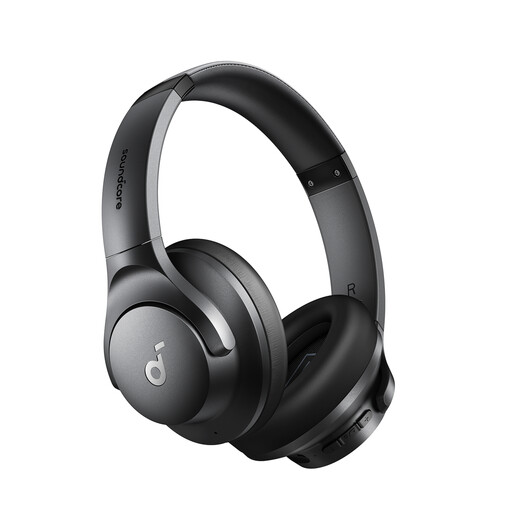
Black soundcore Q21i over-ear headphones

soundcore Q21i noise-cancelling over-ear headphones, black

Consider this wireless over-ear model for seated lessons when you want noise cancellation; pay attention to campsite activity before moving around.

Check the exact model’s weather guidance before using it in rain or damp conditions.

View on Joybuy
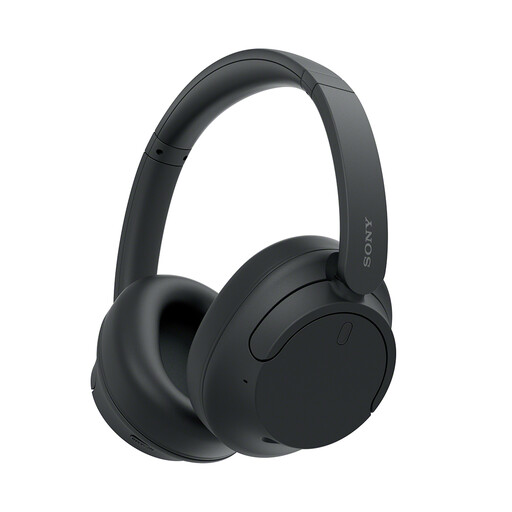
Black Sony WH-CH720N over-ear headphones

Sony WH-CH720N noise-cancelling over-ear headphones, black

Suited to seated course listening when you want noise cancellation, with Ambient Sound Mode for times when you need to hear more around you.

Sony UK states approximately 192 g weight, a detachable 1.2 m cable and up to 35 hours of playback with noise cancelling on. Wired use requires a suitable connection on your course-playing device.

Protect the headphones from liquid exposure and check whether their weather protection meets your campsite needs.

View on Joybuy
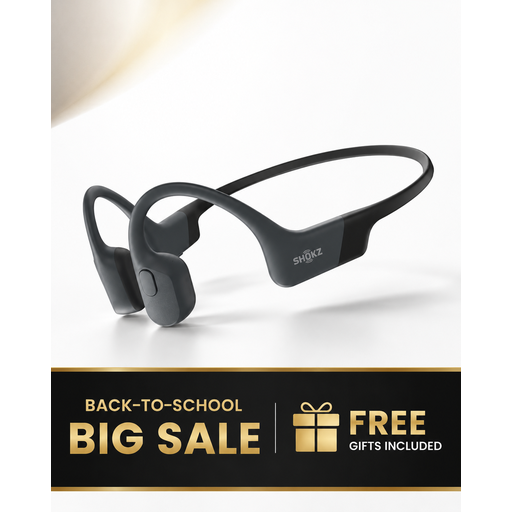
Black Shokz OpenRun open-ear headphones

Shokz OpenRun bone-conduction headphones, black

The open-ear design suits lessons while moving around camp when hearing your surroundings matters more than isolation.

Shokz states an IP67 rating and up to eight hours of battery life for OpenRun, but excludes swimming. Nearby voices and wind may compete with course speech.

View on Joybuy
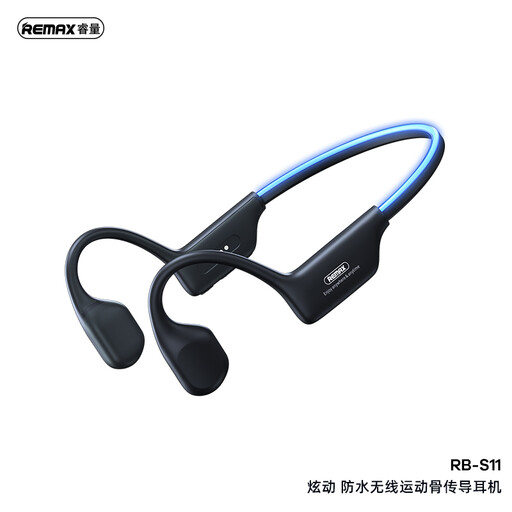
Black REMAX Yvton RB-S11 open-ear earphones

REMAX Yvton RB-S11 open-ear bone-conduction earphones, black

Consider the open-ear design if you want to remain aware of companions or campsite activity while following a lesson.

Check the exact model’s stated water protection and playback time against your plans; open-ear listening provides less isolation when wind or nearby activity makes speech difficult to hear.

View on Joybuy
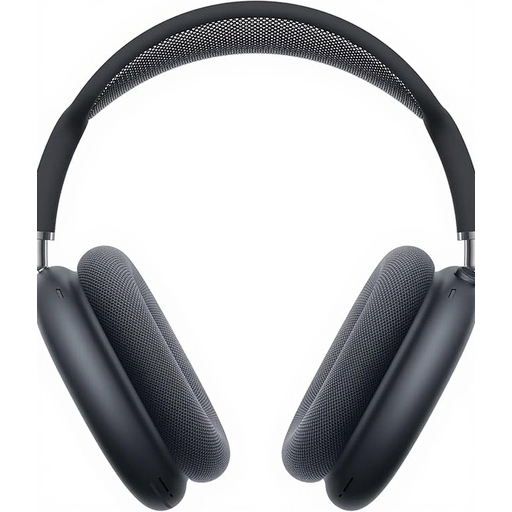
Apple AirPods Max USB-C headphones in Midnight

Apple AirPods Max (USB-C), Midnight

These over-ear headphones are a seated-listening option if their device and software requirements work with the equipment you use for your course.

Confirm compatibility and check how you will protect them from water or excessive moisture at camp.

View on Joybuy

Questions about campsite listening

Can I use headphones at a campsite?

Check the rules for your booked campsite and be considerate of nearby campers. The Caravan and Motorhome Club says individual campsites may have additional site-specific rules, so do not assume the same arrangements apply everywhere.

Should I use noise cancelling for spoken lessons?

Noise cancelling is most useful when you are stationary and background noise makes the lesson difficult to follow. The World Health Organization recommends well-fitted noise-cancelling headphones in noisy situations to reduce the need to raise the volume; switch to an ambient mode or remove the headphones when you need to hear your surroundings.

How loud should I play a long audio lesson?

Keep the volume moderate and take listening breaks. The World Health Organization advises keeping headphone volume at no more than 60% of maximum and, where sound-level monitoring is available, aiming below an 80 dB average; listening duration matters as well as volume.

Are open-ear sports headphones suitable for rain?

Check the protection rating and exclusions for the exact model before relying on it in wet weather. Shokz states an IP67 rating for OpenRun and excludes swimming, but that claim does not apply to other headphones simply because they are intended for outdoor use.

What should I check on a headphone listing before ordering?

Check the exact model and seller, device compatibility, included accessories, warranty details and return terms. If campsite use may involve rain, read the model-specific protection guidance rather than relying on an outdoor description in the title.