Start with closed-back over-ear headphones when listening to choral music beside someone else: the design is more relevant to private listening than active noise cancellation (ANC) alone. Choose a wired model if vocal detail and a focused listening session matter most, or wireless ANC if room noise and cable-free use matter more. Neither choice guarantees that music will be inaudible to your room-mate, so fit and listening volume still matter.
Who these headphones need to suit
Listeners sharing a bedroom
If someone sleeps or studies nearby, keeping playback contained takes priority over the wider stereo image associated with open-back headphones. A closed-back over-ear fit and a sensible volume are useful starting points, though neither guarantees silence for the other person.
Listeners following choral detail
If you want to follow individual vocal lines, the blend between sections and the recorded space, compare familiar passages at your normal volume. Manufacturers describe different approaches to detail and imaging, but those descriptions cannot establish which presentation you will prefer.
Listeners distracted by room noise
If background sounds prompt you to turn the music up, wireless headphones with ANC may make listening more convenient. ANC addresses noise reaching you; it does not establish how much of your music reaches a room-mate.
What to check before buying
For choral listening in a shared bedroom, settle the privacy question before weighing vocal presentation, comfort and room-noise control.
Wired closed-back listening
Choose it when: you want to concentrate on voices and recorded space without managing a wireless connection. Sennheiser positions the HD 620 S around detail and spacious imaging; beyerdynamic describes the DT 700 PRO X as a more focused closed-back studio design.
Bear in mind: check your playback device’s socket and any adapter you need. Beyerdynamic also says an open-back counterpart offers a wider stereo image than its closed-back DT 700 PRO X.
Wireless over-ear ANC
Choose it when: household noise interrupts listening or you value movement without a cable. Sony specifies ANC and Bluetooth for its WH-1000XM6, while Bose describes noise cancellation on its QuietComfort Ultra Headphones.
Bear in mind: charging and device compatibility become part of the choice, and ANC is not a measure of outward sound leakage.
| Concern |
What to check |
Who this matters to |
| Keeping music private |
Check whether the exact model is closed-back and how its earcups fit. Try your intended listening volume with the other person in the room. |
If someone is sleeping or studying nearby, I want my music to disturb them as little as possible. Around 33% of consumers put that privacy need first. |
| Voices and recorded space |
Use familiar recordings to compare intelligibility through dense passages and the sound of quiet, reverberant endings. |
When following a choir, I care about hearing separate vocal lines without losing the sense of the ensemble. That is the leading concern for around 27% of consumers. |
| Long-session comfort |
Check ear-pad fit, pressure with glasses and whether the cable or controls suit where you sit or lie down. |
For a complete work or a long evening’s listening, I need the headphones to remain comfortable. Around 20% of consumers place comfort first. |
| Room-noise control |
Confirm ANC on the exact model and check battery information under the settings you expect to use. |
If sounds in the room keep interrupting the music, I would rather manage that distraction than turn up the volume. Noise-control convenience comes first for around 20% of consumers. |
Choices that can disappoint
-
Choosing open-back headphones solely for spaciousness
Beyerdynamic describes a wider stereo image from open-back construction, but its closed-back DT 700 PRO X offers isolation and a more focused presentation. The wider-image trade-off matters differently when another person shares the bedroom.
Start with a closed-back model for shared-room listening; consider open-back headphones when you can listen without disturbing anyone nearby.
-
Treating ANC as a privacy guarantee
ANC reduces noise reaching the listener. It does not, by itself, tell you whether a room-mate can hear the music.
Check the headphone design and fit, then try a comfortable volume in the room while the other person is present.
-
Turning up the volume to find more detail
Louder playback can increase hearing risk, particularly over long sessions. It may also make music more noticeable to someone nearby.
Use a comfortable level, take breaks and assess vocal clarity without trying to overpower background noise. Royal Free London NHS Foundation Trust advises keeping music below 60% of a device’s maximum volume.
-
Overlooking the wired connection
A wired headphone or cable option is useful only if its plug and your playback device work together. A USB-C socket should not be assumed to carry analogue headphone audio.
Check the device socket, the exact model’s cable and connector sizes before ordering.
Depending on the device and headphones, an additional compatible adapter may be needed.
Relevant brands to consider
These brand examples describe particular headphone lines, not every model a brand makes. Match the exact model and generation to the features you need.
Sennheiser
The wired, closed-back HD 620 S is relevant if private listening and the presentation of choral space both matter.
- Sennheiser describes angled transducers, natural detail and spacious imaging on the HD 620 S; audition those qualities with recordings you know.
- Check that your source has a suitable headphone connection or adapter.
Sony
The WH-1000XM6 offers a closed, over-ear wireless route for listeners managing room noise.
- Sony specifies ANC, multipoint connection and up to 30 hours of music playback with ANC on for this model.
- Those features do not establish how much music escapes into a shared bedroom.
Bose
QuietComfort Ultra Headphones provide an around-ear wireless ANC option with an audio-cable option.
- Bose says Quiet Mode engages full noise cancellation to reduce distractions reaching the listener.
- Check the generation before comparing specifications: Bose lists different battery figures for QuietComfort Ultra Headphones and the later second-generation model.
beyerdynamic
The wired DT 700 PRO X suits listeners considering a closed-back studio-monitoring design.
- Beyerdynamic specifies a 48-ohm, over-ear model with detachable cables and passive isolation.
- Beyerdynamic describes its closed-back presentation as more focused than the wider stereo image of an open-back counterpart.
Shure
The wired, closed-back SRH840A is another monitoring-oriented model to consider for vocal listening.
- Shure describes clear mid-range, extended highs, a padded headband and a detachable locking cable.
- Check plug suitability and the applicable UK retail and warranty terms for the exact product offered.
Wireless over-ear options on Joybuy
These wireless over-ear options are relevant if room noise and cable-free listening shape your choice. Before using any of them beside a room-mate, check the exact model’s construction and judge sound leakage at your own listening volume; ANC alone cannot settle that question.
 No image available
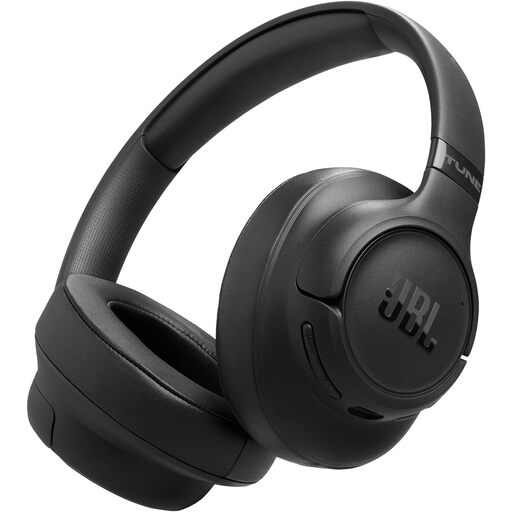
JBL Tune 780NC Wireless Over-Ear Headphones, Black
Consider this model if wireless listening and noise cancelling address distractions in your room.
The product name specifies an over-ear design and adaptive noise cancelling. Check its fit and how much music is audible nearby at your usual volume.
View on Joybuy
 No image available
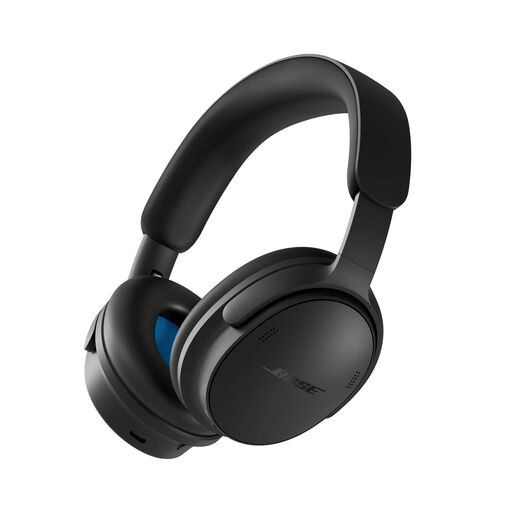
Bose QuietComfort Headphones (2nd Gen), Black
Consider this model if managing room noise is more important to you than a wired-only listening setup.
Confirm the features and connections of this exact QuietComfort generation rather than assuming that specifications for QuietComfort Ultra Headphones apply to it. Test fit and outward sound at your listening volume.
View on Joybuy
 No image available
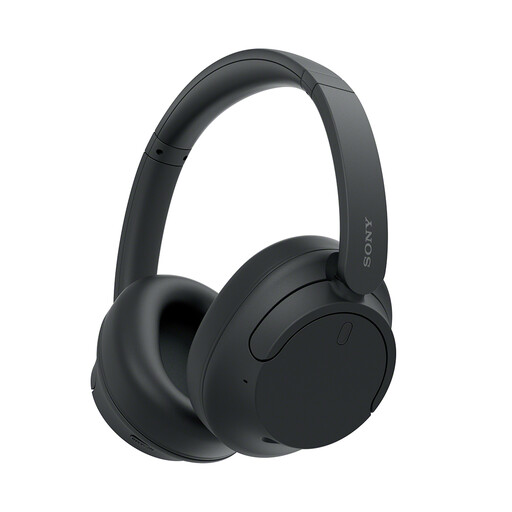
Sony WH-CH720N Noise-Cancelling Over-Ear Headphones, Black
These suit a shortlist where noise control and an over-ear fit are the initial priorities.
The product name identifies noise cancelling. If you wear glasses or listen for a whole concert, check the fit as well as how much sound reaches the other person.
View on Joybuy
 No image available
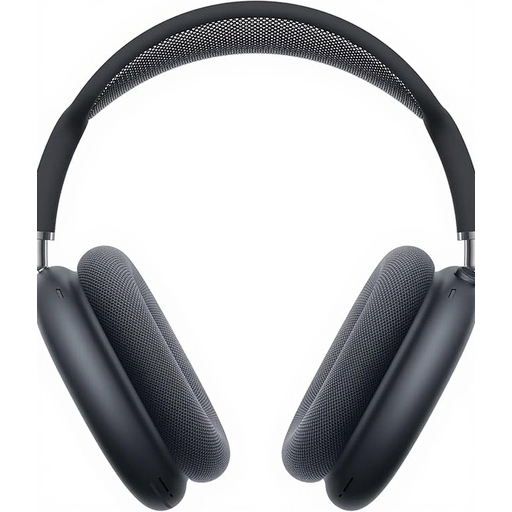
Apple AirPods Max (USB-C), Midnight
Consider this USB-C variant if it fits the devices you intend to use for choral listening.
Check compatibility with your playback device and preferred listening features before ordering. Assess fit and outward sound separately from any noise-control settings.
View on Joybuy
 No image available
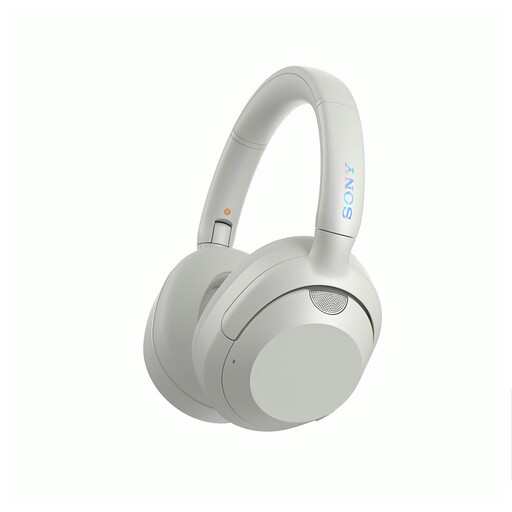
Sony WH-ULT900N ULT Wear Noise-Cancelling Over-Ear Headphones, Off-White
These are another over-ear option when reducing distractions is central to your listening setup.
The product name specifies noise cancelling. Check the exact battery and connection details you need, then assess comfort and sound leakage in the shared room.
View on Joybuy
Questions about shared-room listening
Should I choose open-back headphones for a wider choral soundstage?
Not as the default when someone shares your bedroom. Beyerdynamic says open-back construction offers a wider stereo image, while its closed-back DT 700 PRO X provides isolation and a more focused presentation. Consider open-back listening when you can do so without disturbing the other person.
Will ANC stop my music disturbing my room-mate?
ANC alone cannot establish that your music will stay private: it addresses noise reaching you, not a guaranteed level of sound escaping the headphones. Look for an appropriate headphone design and check what the other person can hear at your normal volume.
How can I manage volume during a long choral work?
Keep playback comfortable and take listening breaks rather than turning it up to overcome room noise. Royal Free London NHS Foundation Trust advises keeping music no higher than 60% of maximum volume, limiting headphone use to one hour at a time and taking at least a five-minute break each hour.
What if I notice a change in my hearing?
Seek medical advice rather than adjusting headphone settings to compensate. NHS guidance says to see a GP if your hearing gradually worsens and to seek urgent help for sudden hearing loss or loss that worsens over days or weeks.


