Noisy-journey story listeners
If you listen on trains, buses or in busy shared spaces, reducing interruptions may matter more than simply raising the volume. You may also need to hear announcements or nearby activity.


Choose headphones according to what most often interrupts a detective story: surrounding noise, discomfort during long chapters, or charging and connection changes. For noisy journeys, consider adjustable noise cancellation and an ambient mode; for extended listening, check fit as carefully as battery life. Neither noise cancellation nor spatial audio guarantees clearer narration, so try familiar dialogue where possible and check the return terms.
If you listen on trains, buses or in busy shared spaces, reducing interruptions may matter more than simply raising the volume. You may also need to hear announcements or nearby activity.
If you listen through several chapters at a time, headband pressure, ear-cup fit and charging frequency can all affect whether you want to keep the headphones on.
If you move between a phone and computer, check how the exact model switches sources. If you plan to listen by cable, confirm that its connector works with your device.
Start with the interruption you most want to avoid, then check the listening mode, fit and source connections you would actually use.
| Concern | What to check | Who this matters to |
|---|---|---|
| Background noise | Look for adjustable active noise cancellation and an ambient or transparency mode if you need to hear announcements. | On a noisy journey, I want to follow names and short exchanges without turning up the volume; roughly 42% of consumers put control of surrounding noise first. |
| Long-session comfort | Try the headband and ear cups for the length of a usual chapter, including with glasses if you wear them. | When I listen for several chapters, pressure or heat could cut the session short. Around 33% of consumers make wearing comfort their primary concern. |
| Charging and connections | Compare battery ratings for the mode you will use, and confirm cable connectors or device-switching options. | If I move between a phone and computer, I do not want a flat battery or an incompatible connection to interrupt the story; about 25% of consumers prioritise that flexibility. |
Which? notes that over-ear headphones are bulkier and heavier than in-ear alternatives. Cushioning alone cannot tell you how a particular pair will feel after a long chapter, especially if you wear glasses.
Where possible, wear the headphones for a normal-length listening session and check the retailer’s return terms before deciding.
Battery ratings can change with listening settings. Sony lists up to 30 hours for the WH-1000XM6 with noise cancellation on and 40 hours with it off; Bose lists up to 30 hours for QuietComfort Ultra Headphones (2nd Gen), or up to 23 hours with Immersive Audio.
Compare figures for the mode you intend to use rather than treating different settings as equivalent.
The World Health Organization advises that louder sound and longer listening increase the risk of hearing damage. A better seal or suitable noise cancellation may help you avoid raising the volume in noisy surroundings.
Keep the volume moderate, take listening breaks and use exposure monitoring if your device provides it.
A different fit or listening mode is not a substitute for assessing a change in hearing. The NHS advises seeing a GP if hearing is gradually worsening and seeking urgent help for sudden hearing loss or rapid deterioration.
If difficulty following speech persists beyond a particular pair of headphones, seek appropriate medical advice rather than relying on a product change.
The WH-1000XM6 is worth considering if you want noise-management controls alongside Bluetooth source switching and a cable option.
QuietComfort Ultra Headphones (2nd Gen) offer an around-ear option for listeners considering adjustable noise cancellation and analogue or compatible USB-C audio.
MOMENTUM 4 Wireless is relevant if reducing charging interruptions is a priority during frequent listening.
These over-ear wireless models are relevant to detective-story listening at home or on the move. Match the features named for each model to your surroundings, then check fit and any connections you need.
 No image available
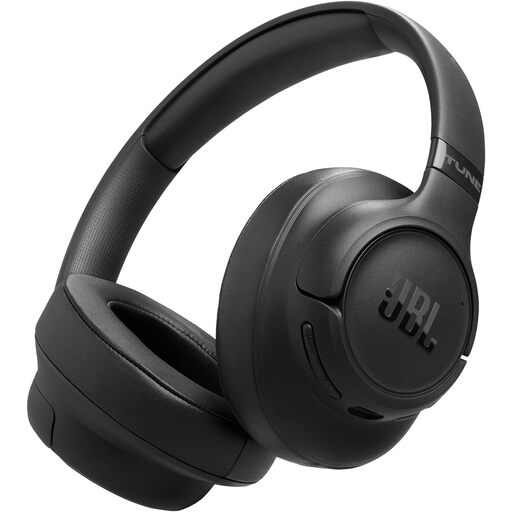
Consider this over-ear wireless model if background noise commonly interrupts a story. Its name specifies adaptive noise cancellation; check the fit over a full chapter and confirm the connection options you need.
 No image available
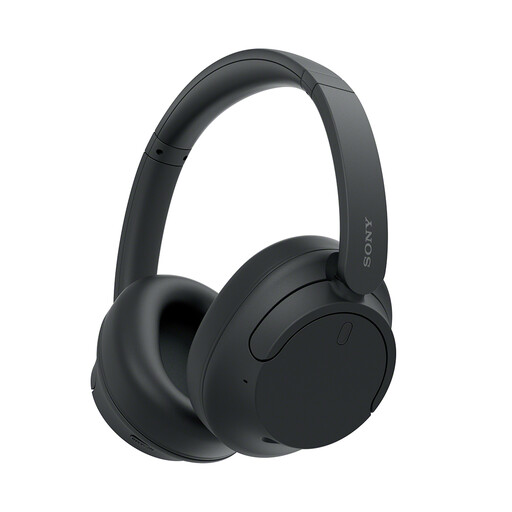
This model suits consideration when you want over-ear noise cancellation for journeys or shared spaces. If you switch between a phone and computer or plan to use a cable, confirm how it connects to both sources.
 No image available
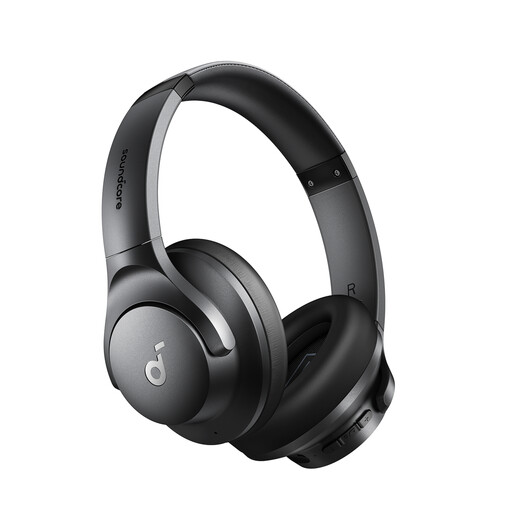
Consider this over-ear model if you listen where recurring background noise competes with narration. Before relying on wired listening, check the cable connector against your source device.
 No image available
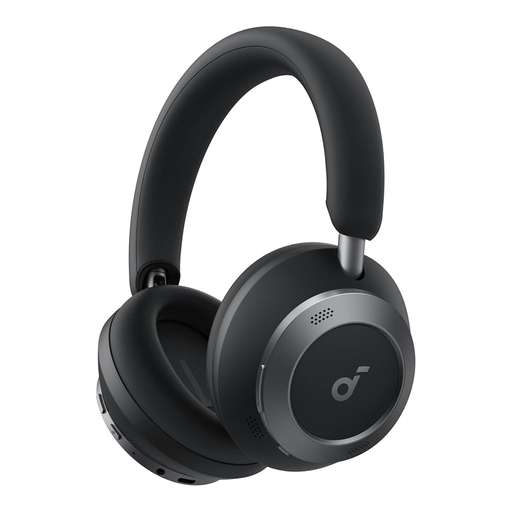
The over-ear design and adaptive noise cancellation make this a model to consider for travel or household noise. Try its fit for a long chapter, and confirm source-switching or wired options if those matter to you.
 No image available
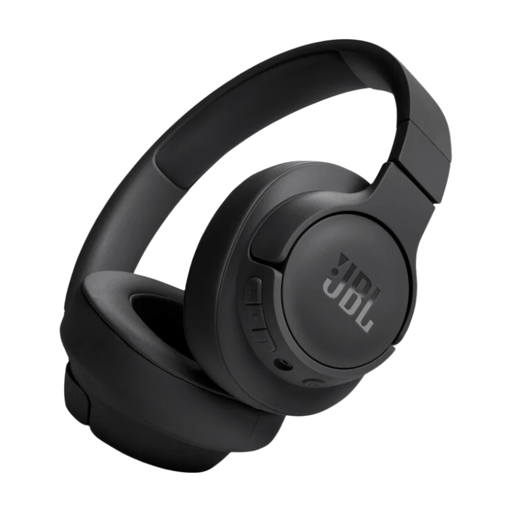
This wireless over-ear model is worth considering for story listening in quieter surroundings. If active noise management is important for your journeys, check its exact noise-control features before choosing it.
Not necessarily in a quiet room; it is more relevant when recurring external noise makes you turn up the volume or replay dialogue. The World Health Organization advises using well-fitting, noise-cancelling headphones to reduce the need to raise volume in noisy places. Use an ambient mode when you need to hear your surroundings.
No pair of headphones can diagnose or treat a hearing problem. Fit and isolation may change the listening experience, but the NHS advises seeing a GP if hearing is gradually worsening and seeking urgent help for sudden hearing loss or rapid deterioration.
Match the exact headphone cable and connector to your source device. Sony lists a detachable stereo mini cable and passive operation for the WH-1000XM6; Bose lists a 3.5 mm-to-2.5 mm cable for QuietComfort Ultra Headphones (2nd Gen), while USB-C audio requires a compatible source.
For a standard UK online sales contract, the Consumer Contracts Regulations 2013 generally provide a cancellation period ending 14 days after you or a nominated recipient receives the goods. Check how to notify the retailer and arrange the return; cancellation for a change of mind is distinct from remedies if goods are faulty, damaged or misdescribed.