What matters when choosing
Decide which issue would most affect your recital listening: disturbing the other person, hearing piano detail, managing incoming noise or staying comfortable and connected for the whole performance. Open-back headphones remain an option when audible leakage is acceptable, but are a poor starting point when privacy takes priority.
| Concern |
What to check |
Who this matters to |
| Sound heard by your roommate |
Confirm closed-back construction and over-ear fit; assess audible leakage at your normal evening volume. |
I want to follow the recital without making the other person listen along. Around 37% of consumers would put sound containment first. |
| Piano detail and recital space |
Consider model-specific descriptions of detail and imaging, then judge the sound with familiar recordings where possible. |
I care about the piano’s attacks and the sense of the venue, but still need a considerate design. For around 27% of consumers, that presentation would be the primary concern. |
| Incoming household noise |
Check for active noise cancelling if outside distractions are the problem; do not treat it as a measure of outward leakage. |
Conversation nearby makes quiet passages difficult for me to follow. Reducing incoming noise would come first for around 18% of consumers. |
| Full-recital practicality |
Check fit, weight, cable length and the connection to your listening device; for wireless use, consider charging needs. |
I need headphones I can wear through a recital and connect to the device beside me without fuss. Around 18% of consumers would prioritise comfort and connection. |
Brands to consider for these headphone designs
These models illustrate different approaches to private listening; a brand’s description of its sound is not a substitute for checking fit and listening preferences.
Sennheiser
The wired, closed-back HD 620 S is positioned for listeners seeking a sense of recital space without choosing an open-back design.
- Sennheiser says angled transducers are intended to create speaker-like imaging while keeping listening secluded.
- Check whether your source provides a satisfactory listening level with the HD 620 S’s listed 150-ohm specification; the imaging description is a manufacturer claim, not an independent comparison.
beyerdynamic
The wired DT 700 PRO X represents a closed-back studio-monitoring approach to private listening.
- beyerdynamic specifies a circumaural, 48-ohm design with detachable cables and a weight of 350 g without the cable.
- Check the cable arrangement and personal comfort; studio positioning alone does not establish your preferred piano sound or sense of space.
Sony
The closed, wireless WH-1000XM6 is relevant when incoming household noise interferes with listening.
- Sony specifies active noise cancelling, a stereo mini-jack input, passive wired operation and up to 30 hours of music playback with noise cancelling on.
- Noise cancelling does not quantify leakage to someone else; wireless use also requires charging.
Shure
The SRH840A offers another closed-back, wired monitoring-style design to consider for private listening.
- Shure specifies a circumaural design, padded headband, detachable locking cable and included 6.3 mm adapter.
- Assess fit and your preferred recital presentation rather than assuming a monitoring-style description settles either question.
Joybuy product choices
These over-ear choices include wired, noise-cancelling and wireless listening options. For a shared bedroom, check each model’s construction, fit and audible leakage rather than assuming its listening features will prevent disturbance.
 No image available
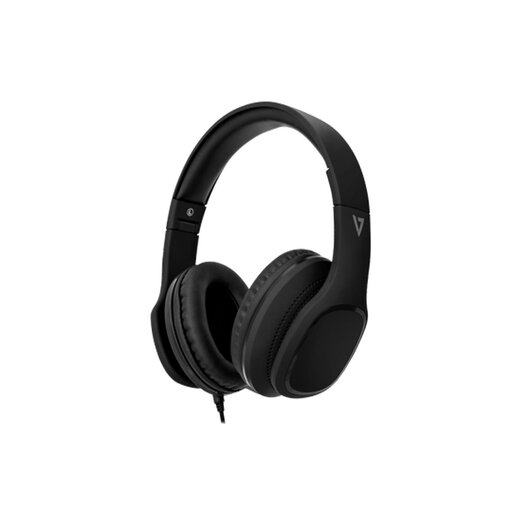
V7 HA701-3EP wired over-ear headphones
Consider this model if you prefer a cable for bedside listening and can confirm it connects to your source.
The product name specifies 40 mm drivers and an inline MEMS microphone. Check its construction and how much sound reaches your bedroom sharer; the name’s passive noise-cancellation wording is not a leakage measurement.
View on Joybuy
 No image available
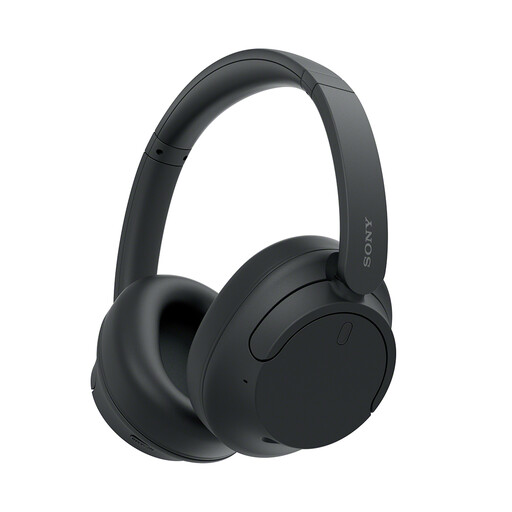
Sony WH-CH720N noise-cancelling over-ear headphones (Black)
Consider these if noise reaching you makes quiet piano passages difficult to follow.
The product name specifies an over-ear, noise-cancelling model. Check fit, the connection options you need and sound leakage to the other person separately; noise cancelling is not a measure of privacy.
View on Joybuy
 No image available
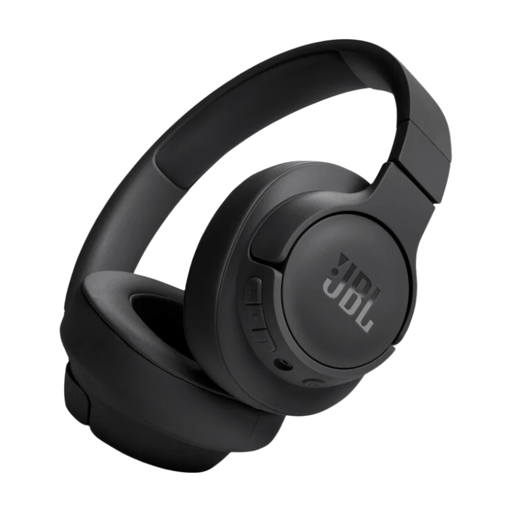
JBL Tune 720BT wireless over-ear headphones (Black)
Consider these if avoiding a cable beside the bed is important to you.
The product name specifies wireless, over-ear headphones. Confirm that their fit, sound and audible leakage work for a shared room; if you also need a wired fallback, check the connection against your source.
View on Joybuy
Frequently asked questions
Are open-back headphones a good choice for piano recitals in a shared bedroom?
Not when keeping the room quiet is your main requirement. Open-back listening can appeal for a sense of space, but Sennheiser positions closed-back headphones for keeping music in; consider open-back models when the other person accepts audible leakage or you can listen alone.
Will noise cancelling stop my roommate hearing the recital?
Noise cancelling does not establish how much music your roommate will hear. It addresses sound reaching you, so check headphone construction and assess outward leakage at your usual listening volume as separate questions.
How should I manage the volume during a long recital?
Keep the volume only as high as needed and take breaks, rather than raising it to overpower household noise. The World Health Organization explains that hearing risk rises with sound level and duration; Royal Free London NHS Foundation Trust advises listening at no more than 60% of maximum volume.
What should I check before buying wired headphones for my phone, laptop or DAC?
Match the headphones’ plug, cable length and any included adapter to the output on the device you will actually use. For example, beyerdynamic lists 3.5 mm and 6.35 mm connection options for the DT 700 PRO X, while Sony specifies a stereo mini-jack input and passive wired operation for the WH-1000XM6; also check whether your source gives you a satisfactory listening level.
What should I do before trying headphones at home?
Read the seller’s applicable return conditions before opening or extensively using the headphones, then assess fit, your familiar recital recordings and audible leakage in the shared room. Keep your purchase details and distinguish a change-of-mind return from a remedy if the goods are faulty, damaged or misdescribed.


