Dialogue-first home listeners
If household noise makes you miss names, dates or context, start with over-ear fit and ANC. Check how quickly you can let in room sound when someone needs your attention.


Choose closed-back, over-ear headphones with active noise cancellation (ANC) if household noise makes you lose names or details in a history podcast. For longer sessions, weigh fit, controls and battery life alongside ANC, and look for an awareness mode if you need to hear people nearby. Avoid turning up the volume simply to overpower noise.
If household noise makes you miss names, dates or context, start with over-ear fit and ANC. Check how quickly you can let in room sound when someone needs your attention.
If you listen through several episodes or while doing chores, consider ear-cup and headband fit, accessible controls and time between charges rather than an isolation claim alone.
If you mainly want to follow narration without raising the volume, compare the features you will use, the stated battery conditions and the seller’s return terms before deciding whether a more expensive model suits you.
For a history podcast in a noisy home, identify whether distraction, extended wear or sound adjustment is your main concern. Whatever leads your choice, check fit and whether you need to remain aware of the room.
| Concern | What to check | Who this matters to |
|---|---|---|
| Household distraction | Check the over-ear fit, ANC and an awareness mode; try familiar narration at a comfortable volume if possible. | When voices or household sounds interrupt names and dates, I want to follow the story without turning it up. Around 42% of consumers put comfortable-volume listening with less distraction first. |
| Extended listening | Try the headband and ear cups, and compare battery claims under the listening mode you expect to use. | Several episodes can make pressure or frequent charging more noticeable to me than a feature I rarely use. For around 33% of consumers, comfortable, uninterrupted sessions are the main priority. |
| Value and sound adjustment | Check current purchase terms, available EQ or spoken-word settings, and whether the controls suit you. | If narration sounds clearer to me after a sound adjustment, I want that flexibility without choosing extras I do not need. Useful features for the purchase are the primary concern for around 25% of consumers. |
ANC may make outside sound less distracting, but a manufacturer’s noise-cancellation claim cannot establish how clearly every listener will hear speech over every household sound.
Try a familiar podcast sample and check the ear-cup fit. Use an awareness mode when you need to hear someone in the room.
Royal Free London NHS Foundation Trust advises that noise-cancelling headphones can help reduce the temptation to raise the volume to block outside noise.
Improve the fit or use ANC where appropriate, then listen at a comfortable level and take breaks.
Fit varies between listeners, and an advertised battery figure may depend on the listening settings used. Neither tells you whether the controls will feel convenient through a long episode.
Try the fit where possible, compare battery figures under relevant conditions and check the seller’s return procedure before committing.
An equaliser or Podcast mode adjusts sound; it does not diagnose or correct difficulty hearing speech.
Use sound settings according to your preference. If you regularly struggle to hear people in ordinary situations, the NHS advises seeing a GP.
These model examples illustrate different features to assess, not a ranking of podcast clarity or a claim that every model from each brand performs alike.
The WH-1000XM6 is an over-ear ANC option for listeners considering adaptive noise control.
QuietComfort Headphones (2nd Gen) are an option if fit and adjustable noise control matter during regular listening.
ACCENTUM Wireless is an option for listeners interested in battery endurance and adjusting the sound of narration.
These over-ear ANC headphones are relevant to listening when a noisy home interrupts a podcast. Compare their stated listening features with the fit and room awareness you need; the models below are not a comparison of measured dialogue clarity.
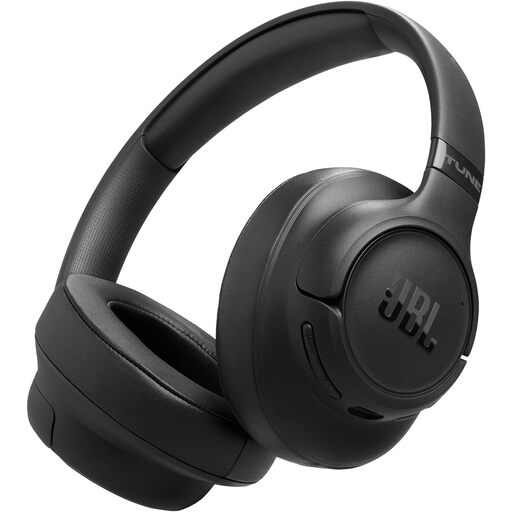 No image available
Consider these if you want ANC for distracting household noise but also need a way to hear the room. The listing describes adaptive ANC, Ambient Aware and TalkThru modes, and up to 50 hours of battery life with ANC on. Check the fit and try familiar narration rather than assuming those features guarantee clear dialogue.
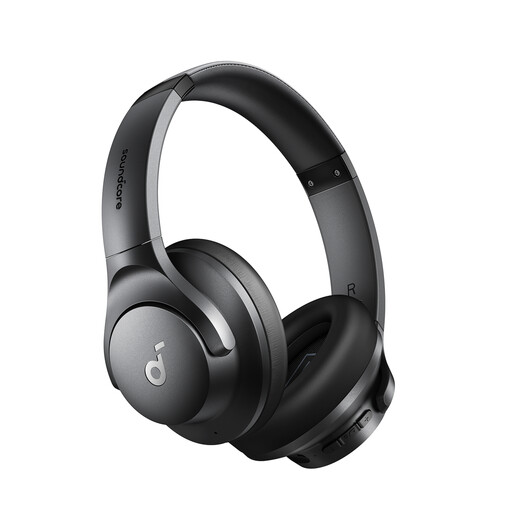 No image available
Consider these if switching between reduced distraction and awareness of your surroundings matters. The listing specifies hybrid ANC, a transparency mode and up to 40 hours of battery life with ANC on. Try spoken audio at a comfortable volume and check the fit.
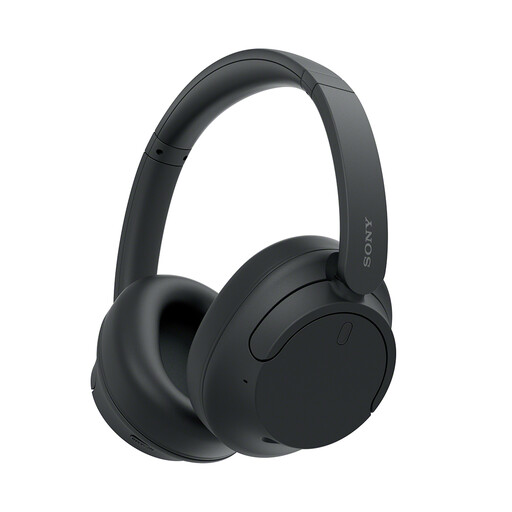 No image available
Consider these for regular podcast sessions if you want ANC alongside controls for hearing the room. The listing gives a weight of 192 g and up to 35 hours of battery life with ANC on, and describes Quick Attention and ambient-sound controls. Weight alone cannot tell you whether the fit will remain comfortable.
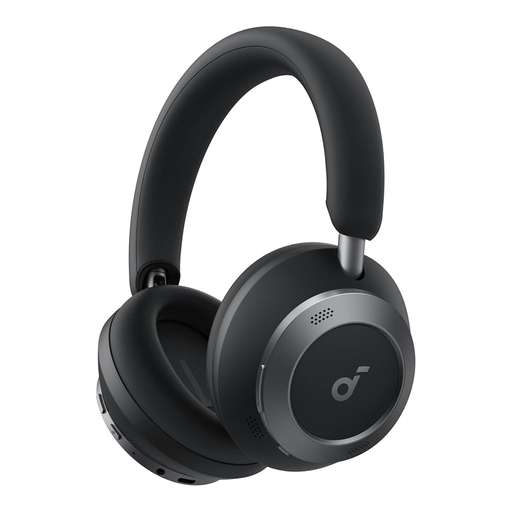 No image available
Consider these if ANC and longer sessions are your priorities. The listing describes adaptive ANC, a comfort-focused headband and ear cups, and up to 40 hours of battery life with ANC on. Check the personal fit and confirm whether its controls provide the room awareness you need.
 No image available
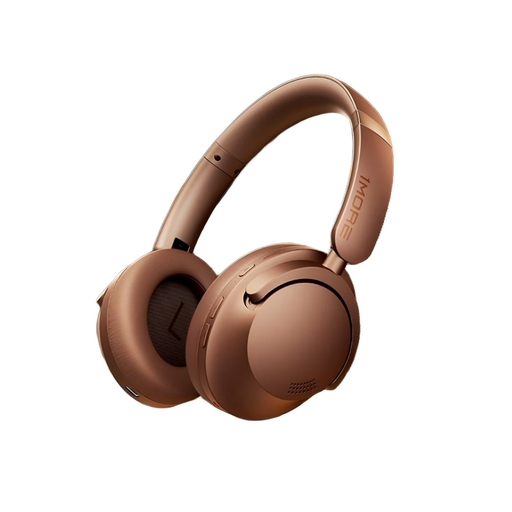
Consider these over-ear ANC headphones if reducing distraction is your starting point. The descriptions refer to soft, adjustable ear pads; try the fit before relying on a comfort claim. Confirm battery life under your intended listening mode and whether you can hear household cues when needed.
Try improving the fit or using ANC before raising the volume to cover household noise. Royal Free London NHS Foundation Trust notes that noise-cancelling headphones can help reduce the urge to turn up the volume to block outside sound.
Headphones are not a substitute for assessing a persistent hearing difficulty. If you regularly struggle to hear people clearly in ordinary situations, the NHS advises seeing a GP rather than relying on sound settings or a different pair of headphones.
Check the trader’s change-of-mind return process and how you can assess the fit without using the headphones beyond what is permitted. GOV.UK states that online customers have a limited right to cancel an order even when the item is not faulty; this is distinct from remedies for faulty or misdescribed goods.
A faulty or misdescribed pair raises a different issue from changing your mind about a purchase. GOV.UK states that a full refund must be offered for goods that are faulty or not as described; the Consumer Rights Act 2015 explanatory notes describe a minimum 30-day period for the short-term right to reject non-conforming goods, subject to the statutory conditions.